




As communities across the country pause to honour the contributions of the workforce this Labour Day, the annual observance arrives amid a complex backdrop of economic strain, shifting geopolitical landscapes, and personal transitions.
Today serves as a designated moment to celebrate the labour of workers, a principle that remains foundational to society. However, observing this holiday in 2026 invites a critical look at the broader economic structures governing modern life. Contemporary capitalism frequently appears to function as an institutionalized excuse for corruption and self-enrichment at the highest levels of power and finance. Observers and citizens alike can only look toward the horizon, hoping that the pendulum of economic justice and social equity swings back toward a more balanced and equitable system in the near future. Compounding these domestic and systemic frustrations are the lingering realities of a sweeping global trade war alongside concurrent international conflicts. These macroeconomic shocks and geopolitical fractures have reshaped supply chains, market stability, and international relations, leaving profound marks that will undoubtedly influence economies and labor markets for years to come.
Beyond the weight of macroeconomic discourse, Labour Day traditionally occupies a unique psychological and cultural space in the annual calendar. Symbolically, the holiday marks the definitive end of the summer season, bringing an immediate close to long-held warm-weather routines, vacations, and outdoor leisure. Yet, in a testament to the relentless pace of modern consumerism, the conclusion of summer instantly yields to the premature onset of the winter holiday cycle. For anyone requiring absolute proof of this cultural shift, a brief visit to a local Costco provides an immediate and undeniable reminder, where autumn has barely begun before festive displays and Christmas merchandise take over the retail floor.
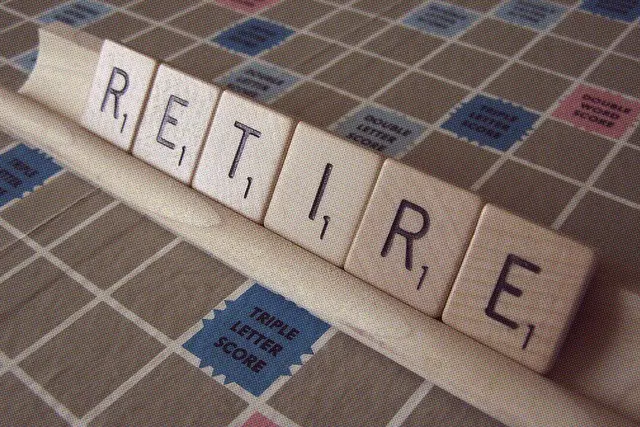
Amid these broader societal and seasonal transitions, individuals are navigating their own personal milestones. For many, this time of year prompts introspection regarding career longevity, work-life balance, and the realities of stepping away from the workforce. The transition into what is often envisioned as a peaceful retirement frequently proves to be a dynamic learning experience rather than a static destination. Possessing numerous creative ideas and conceptual projects is one reality; finding the immediate urge or drive to execute them on a daily basis is often entirely another. Adding another layer of domestic adjustment, life partners may find themselves on divergent paths regarding post-career planning. When a spouse decides to unretire—or perhaps more accurately, determines that retirement is not currently on their horizon—the envisioned synchronized journey of leisure must be recalibrated, leaving individuals to navigate their solo retirement journeys for a while longer.
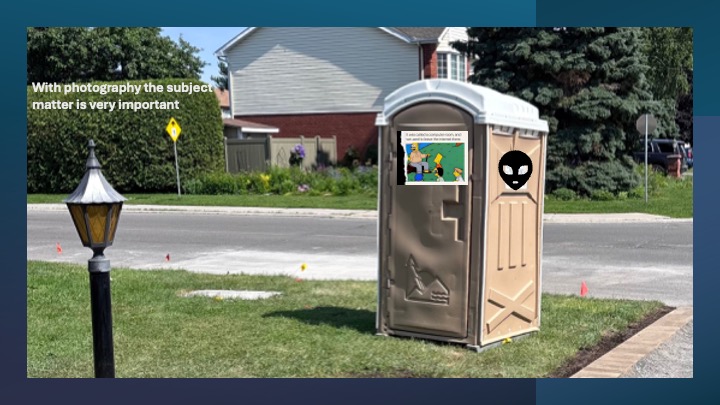
Despite the hurdles of adjusting to a newly structured daily routine, creative pursuits often provide a welcome outlet during these transitional years. For some retirees, personal goals, such as dedicating more time and focus to photographic work, begin to take center stage. Developing a distinct artistic vision and exploring specific subject matter offer both a purposeful occupation and a creative challenge. As these artistic endeavors develop, they provide a tangible way to document the world during a period of significant personal and public change, grounding the broader complexities of economic and seasonal shifts in the simple act of looking closely at the immediate surroundings.