




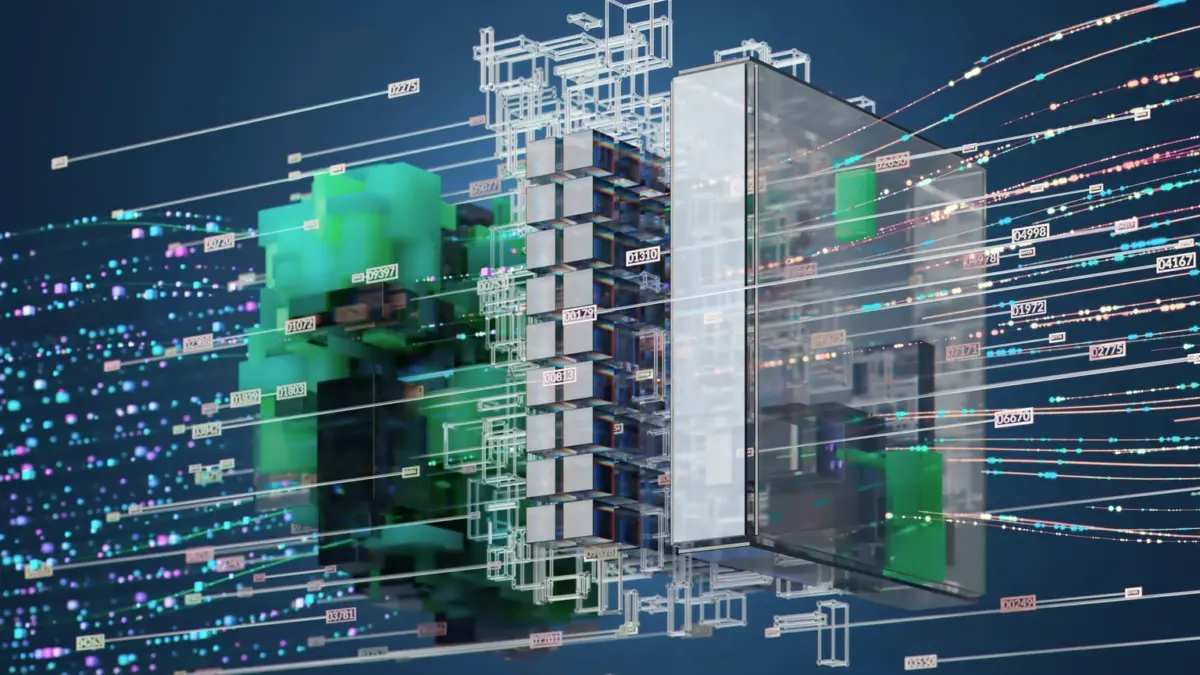
Data center construction has firmly established itself as the fundamental building block of the unprecedented artificial intelligence infrastructure buildout that is currently reshaping the global technology landscape. Over the past several years, the relentless surge in computational demand required to train, deploy, and scale advanced machine learning models has transformed the physical real estate and utility requirements of the digital economy. In turn, this massive physical expansion has served as the primary catalyst and driving force behind the broader equity market rally that began in late 2022, following the public debut and explosive mainstream adoption of OpenAI’s ChatGPT.
The introduction of generative artificial intelligence marked a watershed moment for the technology sector, immediately triggering a multi-billion-dollar race among hyper-scale cloud providers, semiconductor manufacturers, and enterprise software giants. As businesses and consumers alike began interacting with sophisticated large language models on an unprecedented scale, the technical limitations of legacy computing infrastructure became starkly apparent. Traditional data centers, which were historically designed to handle standard cloud storage, enterprise web hosting, and routine software applications, proved entirely inadequate for the immense power density, cooling requirements, and high-speed networking demands of modern AI workloads. Consequently, technology companies and specialized real estate developers were forced to embark on an aggressive capital expenditure cycle focused entirely on the construction of next-generation data facilities.
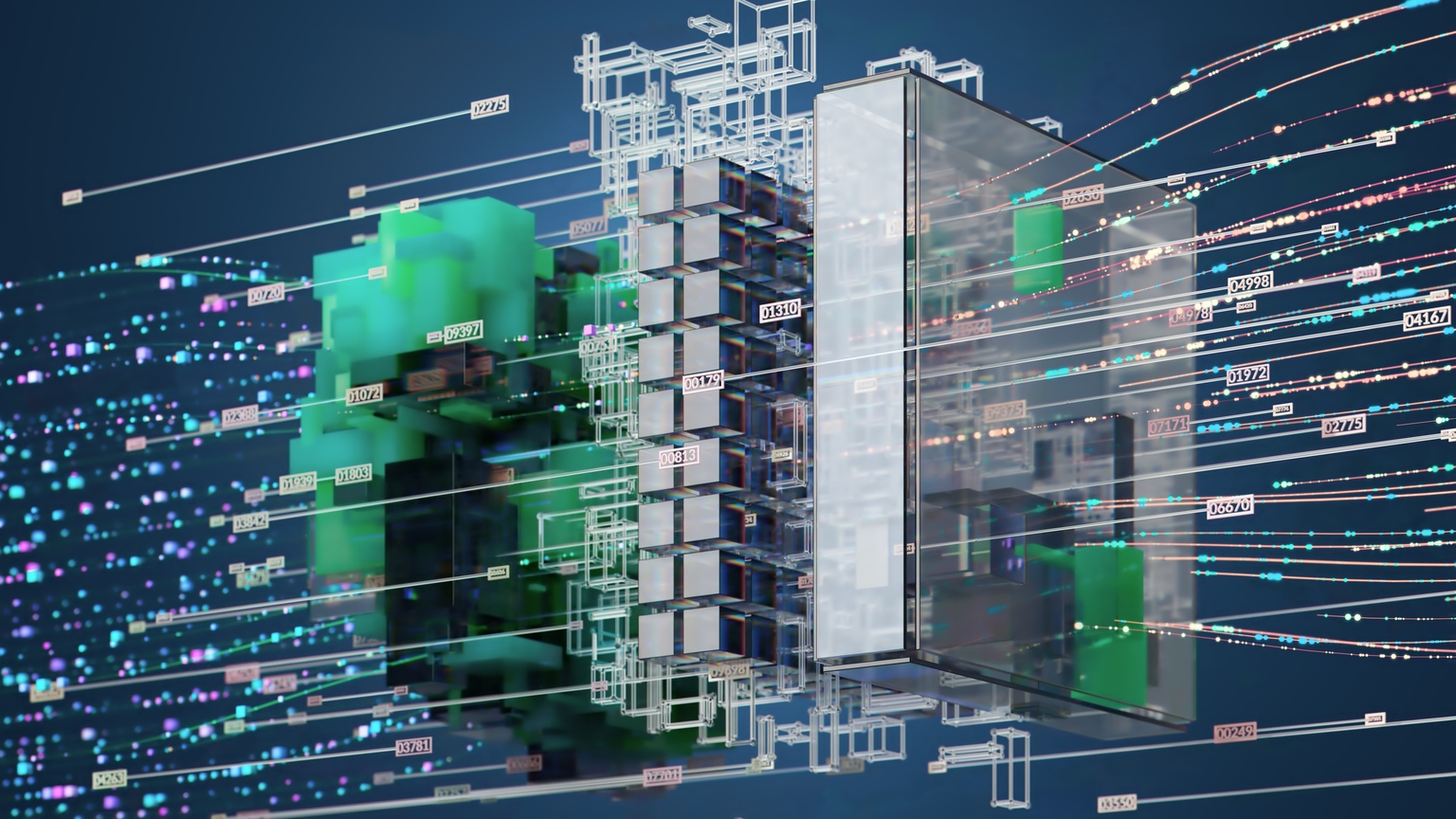
These modern data centers bear little resemblance to their predecessors. Equipped with advanced liquid-cooling systems, massive electrical substations capable of drawing power on the scale of small cities, and specialized server architecture designed to house thousands of high-performance graphics processing units, these facilities are marvels of modern engineering. The sheer scale of the capital being deployed into these projects has reverberated across multiple sectors of the global economy, directly benefiting construction firms, heavy electrical equipment manufacturers, industrial real estate investment trusts, and utility providers. As electricity grids face unprecedented demand increases to power these facilities, discussions around energy sourcing, nuclear power integration, and grid modernization have also taken center stage in corporate and policy boardrooms.
The market implications of this infrastructural transformation have been profound. Since the fourth quarter of 2022, major stock indexes have experienced significant upward momentum, largely propelled by the stellar financial performance and surging valuations of companies positioned at the center of the artificial intelligence ecosystem. Semiconductor designers, cloud computing leaders, and enterprise technology firms have posted record revenues driven by the insatiable demand for AI hardware and infrastructure services. Market participants have increasingly viewed data center capacity not merely as a real estate asset, but as the critical throughput capacity that determines a company’s ability to compete in the new technological paradigm.
As the artificial intelligence revolution matures, the race to secure land, power permits, and construction materials for new data centers shows no signs of slowing down. Industry observers note that supply chain constraints for specialized electrical components, such as high-voltage transformers, and local grid interconnection delays represent some of the primary bottlenecks facing developers today. Nonetheless, the overarching trajectory remains clear. The ongoing expansion of digital infrastructure continues to redefine the boundaries of capital expenditure, anchoring the broader financial markets and demonstrating that the future of artificial intelligence is inextricably linked to physical construction and heavy industrial capacity.