




For decades, the standard narrative of personal finance has focused heavily on the art of accumulation. From frugal living to disciplined investing, aspiring retirees are well-versed in the mechanics of building wealth. However, a less-discussed psychological hurdle awaits those who finally reach the finish line: transitioning from a lifelong identity of saving to actually spending the money they worked so hard to accumulate.
This challenge is at the heart of a recent retrospective shared by the prominent financial independence commentator known as the "Mad Fientist." After years of focusing on early retirement, raising a family, and analyzing the psychological blocks inherent in post-financial independence (FI) life, he is speaking candidly about why unlearning decades of thrift is proving to be far more difficult than anticipated—and why mastering the skill of spending is becoming an urgent priority.
The journey toward addressing this financial paradox began in earnest around 2019. Recognizing that his deep-seated frugality was becoming a barrier to enjoying life, the Mad Fientist invited personal finance author Ramit Sethi onto his podcast to discuss how a dedicated saver could learn to become a better spender. A follow-up conversation in 2023 allowed the creator to review his progress and examine lingering mental blocks. Yet, despite years of gradual adjustments, the pace of change has felt too slow. Now at age 43, and realizing he has already entered the prime decade window for peak spending—typically between ages 40 and 60—the realization has hit that action must be taken immediately rather than treated as a distant future project.
That urgency was underscored recently when his three-year-old child began preschool. Sending a child off into a world independent of their parents served as a stark reminder of how quickly time passes. With children growing up rapidly and teenagers soon out of the house, the realization set in that having substantial financial resources at age 60, after the children have left home, misses the point entirely. The core philosophy now centers on a simple premise: money is meant to be used, and the party needs to happen while there is still time to share it with loved ones.
To overcome decades of ingrained habits, the financial commentator has systematically dismantled the specific financial tools that served him well during his wealth-accumulation phase. The first major shift involved moving away from granular, category-by-category expense tracking. While detailed spreadsheets tallying monthly restaurant bills and utility costs were vital for reaching financial independence, continuing this behavior post-FI proved counterproductive. The constant tracking created unnecessary mental friction, leading to micro-decisions—such as avoiding a restaurant visit because a budget category was slightly overdrawn—that no longer mattered in the broader scope of a secure portfolio.
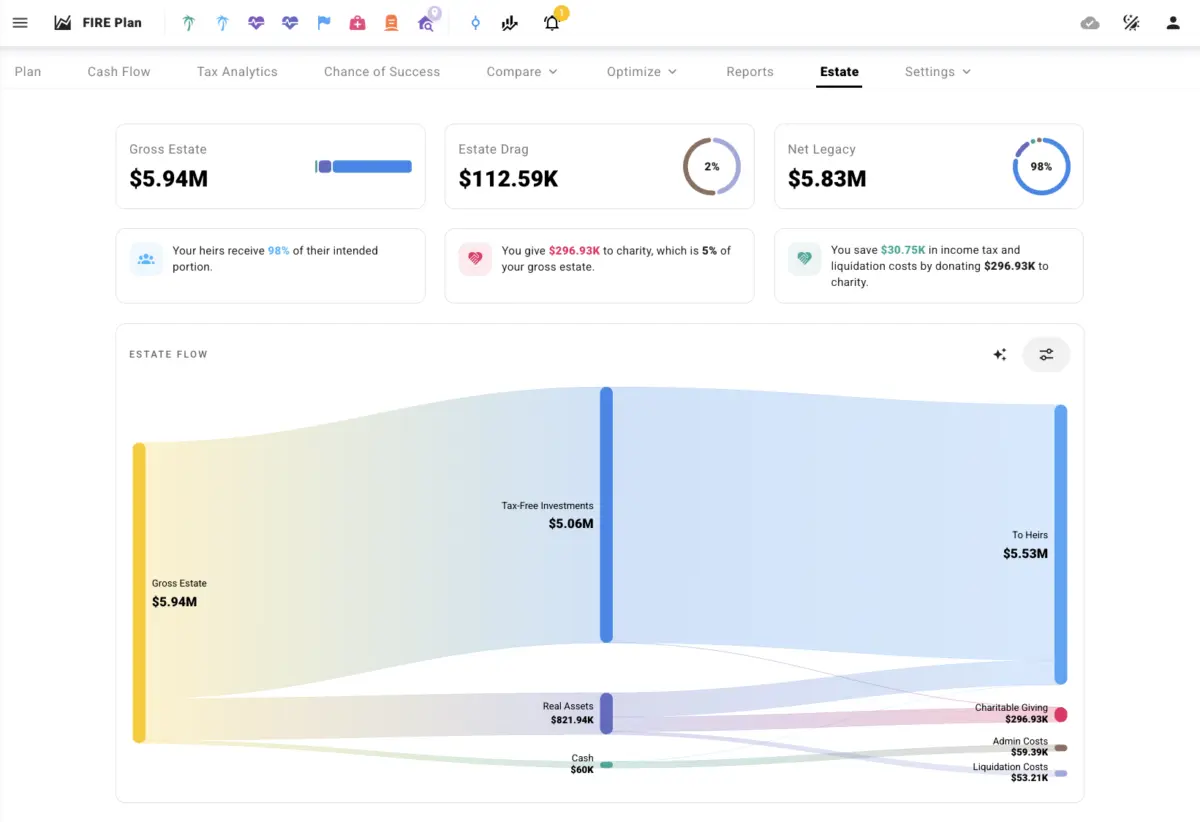
Instead, financial tracking has been streamlined to focus solely on net worth and high-level portfolio growth, effectively removing daily friction and decision fatigue. Custom software tools are even being developed to help manage post-FIRE finances with a greater emphasis on enjoyment and intentional allocation rather than minute-by-minute restriction.
Another profound psychological barrier involved recalibrating a mindset trapped by memories of youthful scarcity. Viewing everyday purchases through the lens of a college student—where spending ten dollars felt like a major decision—distorted the reality of a significantly larger modern net worth. By calculating small expenses as a proportional percentage of current wealth, similar to modern frameworks like the wealth ladder concepts popularized by financial author Nick Maggiulli, the insignificance of everyday purchases became clear. This recontextualization helped dismantle the habit of second-guessing moderate expenses and worrying over absolute spending efficiency.
Drawing on insights from Ramit Sethi, the Mad Fientist also embraced the idea that expanding financial systems inherently involves a degree of waste and inefficiency. Breaking away from the habit of treating spending as an absolute last resort meant accepting that not every purchase would be perfectly optimized. Embracing this slight discomfort allowed for bold choices, such as purchasing a home that offered comfort and long-term stability rather than opting for the absolute cheapest alternative available. Similar reasoning was applied to creative projects, such as investing in professional-grade musical synthesizers rather than entry-level plastic alternatives, recognizing that higher-quality tools bring lasting joy and practical reliability.
To systematically push past historical spending resistance, the introduction of a dedicated "splurge and fun" allocation has proven effective. Rather than accumulating unspent dividends on autopilot—the default behavior for many lifelong savers—steps have been taken to interrupt that inertia. For instance, turning off automated dividend reinvestment in taxable accounts leaves a visible pool of cash that demands intentional deployment. Splurge funds have been actively directed toward memorable experiences, such as renting luxury vehicles for family road trips, booking spacious, central vacation homes for extended family gatherings in locations like Stowe, Durham, and Savannah, and surprising friends and family with bucket-list travel opportunities.
These experiments in consumption have consistently yielded positive memories, reinforcing the idea that money serves its highest purpose when converted into shared experiences with family and friends. Furthermore, rather than locking into permanent fixed costs that could introduce stress during market downturns, the focus has remained on flexible, one-off experiential costs that keep life dynamic and adventurous.
Ultimately, the overarching lesson from years of post-FI experimentation is that waiting for a distant future to enjoy the fruits of financial discipline is a trap. Whether it involves setting aside portfolio income to fund annual mountain getaways rather than indefinitely delaying the dream of a mountain home, or embracing generosity through generous tipping and supporting friends’ charitable causes, the objective remains clear. For those on the path to financial independence or already enjoying it, breaking out of the saver’s mindset requires intentional effort, a willingness to feel slightly uncomfortable, and the realization that the portfolio’s growth should be matched by an imagination open to enjoying it.