




For years, the modern consumer’s shopping routine followed a predictable, almost subconscious script. When a replacement item was needed—whether an everyday carry item, a household tool, or a piece of gear—the standard procedure involved visiting a local brick-and-mortar storefront or browsing a major e-commerce website, evaluating whatever inventory happened to be in stock, and selecting the closest acceptable match from the available options.
However, a growing shift in consumer behavior suggests that this traditional, store-centered approach is losing ground to a new philosophy often described as "self-centered shopping." Rather than allowing the marketplace and retail inventories to dictate the boundaries of what is available, this emerging consumer strategy flips the script entirely. Individuals practicing this method define their precise specifications and requirements before beginning their search, hunting down the exact item they need rather than settling for the best available compromise.
Proponents of this shift argue that the change leads to drastically higher satisfaction, reduced impulse spending, and a deeper alignment between everyday purchases and personal utility. While the concept might sound simple or even obvious to some, it represents a fundamental break from legacy retail habits shaped by geographical limitations and historical scarcity.
The Evolution Away From Store-Centered Retail
To understand why this shift is happening, it helps to look at how retail consumption evolved over the past several decades. For many shoppers growing up in smaller towns or under tighter financial constraints, retail options were strictly bounded by geography and local inventory. When a household needed a specific item, choices were limited to whatever local merchants carried on their shelves.
Even with the rise of the internet and global e-commerce, which seemingly solved the problem of limited local inventory by putting millions of products a click away, the psychological habit of store-centered shopping remained deeply ingrained. Shoppers continued to visit primary retail websites, browse curated selections, and pick from pre-packaged categories defined by merchandisers and algorithms.
The downside of this legacy approach is the passive acceptance of sub-optimal goods. When consumers rely entirely on what a store chooses to stock, they frequently end up purchasing items that work well enough for the general public, but fail to fit the unique habits of the individual. Over time, this mismatch breeds minor frustrations that accumulate with everyday use.
A Case Study in Everyday Utility: The Wallet Dilemma
The practical difference between the two approaches becomes clear when examining routine purchases, such as replacing a worn-out wallet. For decades, the standard consumer response to a deteriorating wallet was simple: wait until the old one fell apart, visit a department store, browse the display case, pick the least objectionable option among dozens of similar designs, and commit to using it for the next five years.
For individuals who do not carry excessive cash, bulky coin pouches, or a massive collection of loyalty cards, traditional department store wallets often present an exercise in frustration. Most standard bi-fold and tri-fold wallets are engineered for maximum capacity rather than minimalist efficiency, creating unnecessary pocket bulk.
When faced with replacing an aging wallet, a shift toward self-centered shopping changes the entire process. Rather than walking into a department store and overwhelming oneself with forty or fifty generic options—a classic manifestation of the psychological paradox of choice—the shopper starts by listing exact requirements: minimalist form factor, metal or high-durability construction, lightweight profile, and precise card capacity.
After exploring various specialized markets, including dedicated travel gear manufacturers known for packing maximum utility into compact spaces, a targeted search can lead directly to specialized products like a minimalist travel wallet. By establishing precise criteria beforehand, the consumer bypasses the fatigue of browsing irrelevant inventory and finds a product that feels custom-built for their daily routine. The result is a high-utility item that brings genuine satisfaction rather than quiet compromise.
Overcoming the Paradox of Choice
One of the most notable psychological benefits of self-centered shopping is its ability to bypass the paralysis caused by overwhelming retail choices. Modern commerce bombards consumers with endless variations of every conceivable product. When shoppers enter a retail environment without a clear definition of their needs, they are subjected to an overwhelming array of choices that frequently lead to decision fatigue and post-purchase buyer’s remorse.
By contrast, defining criteria in advance acts as a natural filter. Because the ideal product must meet specific, pre-determined standards, the actual number of viable options often shrinks dramatically. Instead of wading through dozens of near-matches, the consumer searches until they locate the single item that fulfills their parameters, makes the purchase, and concludes the search. This streamlined approach eliminates the second-guessing that typically accompanies excessive consumer choice.
Furthermore, this deliberate methodology serves as a powerful defense against impulse spending. Market research and behavioral psychology indicate that impulse purchases are primarily driven by ambiguity—shoppers buy things on a whim because they do not have a firm grasp on what they actually need or value. When a consumer maintains a precise mental or physical checklist of requirements, opportunistic marketing and flashy displays lose much of their persuasive power.
Cultivating Product Loyalty and Long-Term Value
A fascinating side effect of adopting a self-centered shopping methodology is the natural evolution toward extreme product loyalty. When shoppers invest the time and effort required to find the exact tools that match their lifestyle, they tend to stick with those specific items and manufacturers for the long haul.
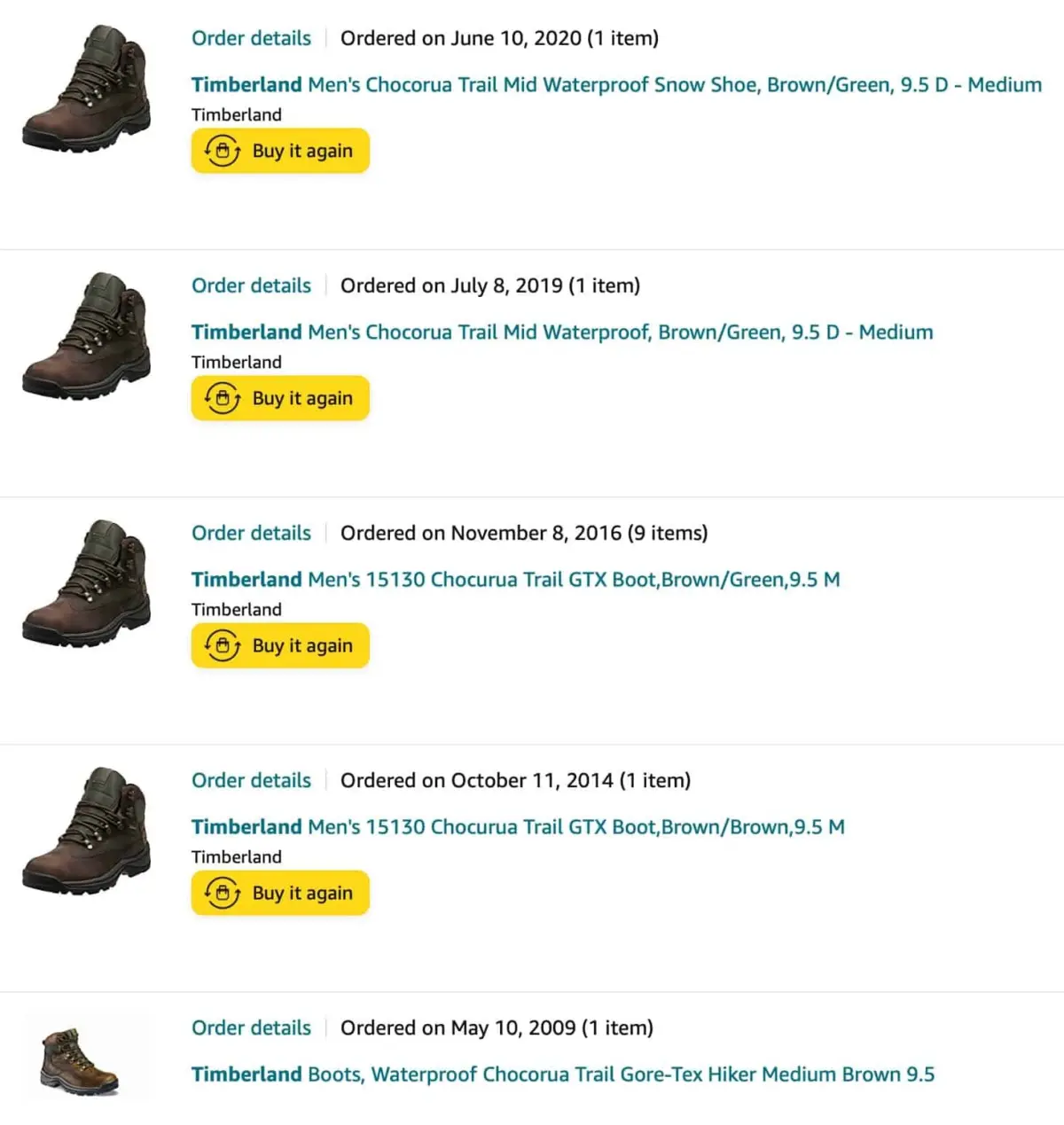
This pattern is frequently observed in durable goods, such as footwear, everyday carry gear, and office equipment. Rather than experimenting with different brands every time an item wears out, consumers who practice intentional shopping tend to repurchase the exact same model repeatedly over decades. Whether it is a preferred brand of hiking boots designed to withstand years of heavy trail use or a specific desk configuration chosen to optimize daily productivity, the loyalty is earned through proven, sustained performance.
While this approach often involves a higher upfront investment in research time—and sometimes a higher initial financial cost—proponents argue that it yields superior long-term value. As consumer patience for poor craftsmanship and ill-fitting goods diminishes with age, the demand for items that offer genuine utility and durability increases.
Ultimately, self-centered shopping transforms the act of purchasing from a passive chore into an intentional curation of daily life tools. By putting personal needs ahead of retail convenience, consumers are finding that they buy fewer things, make fewer mistakes, and derive significantly more satisfaction from the possessions they choose to keep around them.