


As communities across the country pause to honour the contributions of working people, this year’s Labour Day arrives against a backdrop of complex global economic realities and shifting societal rhythms. Originally established to celebrate the achievements of the labour movement and the dignity of work, the holiday serves as both a moment of recognition and an opportunity for broader reflection on the state of modern labor and economic structures.
Marking the occasion brings to mind the enduring critiques of economic systems, such as the observations made by Karl Marx in Das Kapital, where he noted how the centralization of the means of production and the socialization of labor eventually reach a threshold of friction with prevailing capitalist frameworks. Observers assessing the global landscape in 2026 note that contemporary capitalism often appears strained, occasionally functioning as an environment where high-level corruption draws sharp public scrutiny. Many are left hoping for a corrective economic and social pendulum swing in the near future, especially as ongoing global trade tensions and associated geopolitical conflicts continue to reshape international markets and leave lasting marks on supply chains and livelihoods.
Beyond its economic significance, the first Monday in September traditionally carries a distinct cultural marker, signaling the unofficial close of the summer season and the swift transition toward the autumn and winter months. For retail watchers and holiday traditionalists, this shift is already unmistakable. Anyone seeking concrete proof of the accelerated holiday retail cycle need look no further than local wholesale clubs and department stores, where early holiday displays have made their traditional appearance, reminding shoppers that the festive season is already looming large on the commercial calendar.
For individuals navigating personal milestones, the holiday also prompts a retrospective look at life transitions, such as the ongoing experience of retirement. Embarking on a retirement journey in 2026 has proven to be a distinct learning experience—one characterized by an abundance of creative ideas balanced against a more deliberate, measured pace when it comes to taking action. While long-term planning often sparks numerous potential projects, the day-to-day reality of post-career life involves finding a comfortable equilibrium. Meanwhile, household dynamics continue to evolve; with a spouse deciding to unretire—or perhaps more accurately, choosing a path of continued professional engagement rather than full retirement—the journey of leisure and independent pacing takes on a slightly different shape, keeping the household schedule lively and dynamic for the foreseeable future.
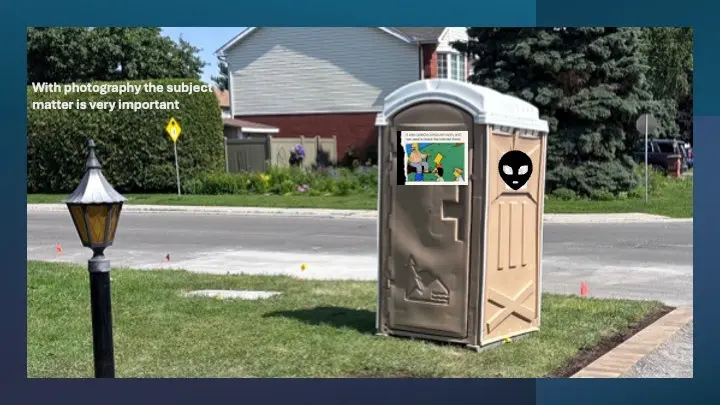
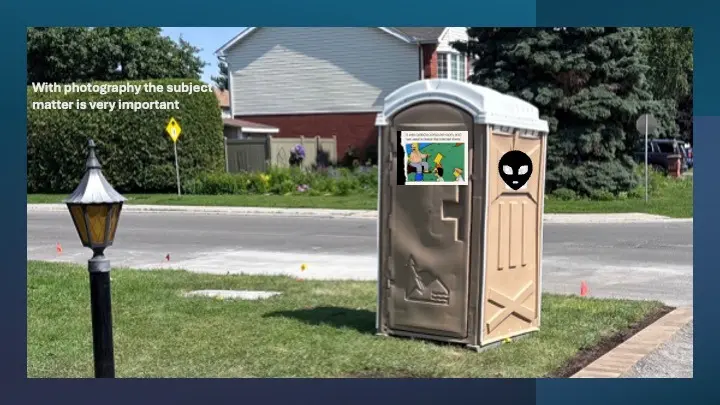
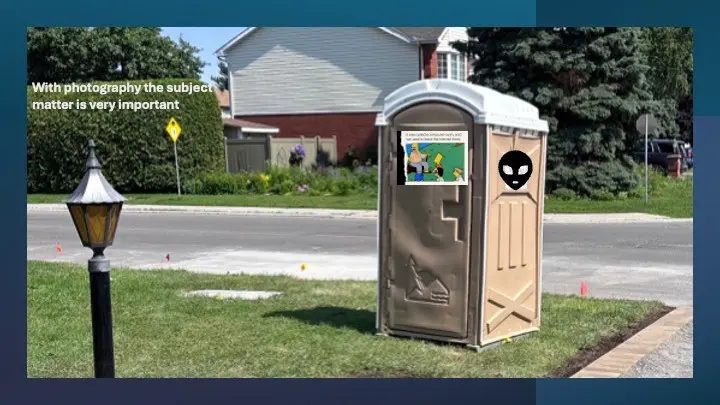
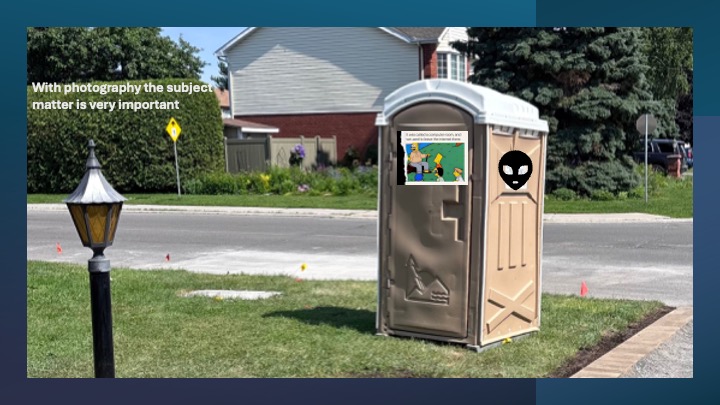
Amid these domestic shifts, personal goals and creative outlets have taken center stage. Specifically, renewed efforts dedicated to photographic work are progressing steadily. Exploring visual arts and capturing compelling subject matter through the lens has provided a fulfilling channel for creative expression during this phase of life. Whether experimenting with composition, seeking out new visual narratives, or simply documenting daily surroundings, the focus on photography offers a tangible way to channel creative ideas into completed projects.
As previous Labour Days remind us, the holiday has always been a time to balance the contemplation of broader societal structures with personal milestones and seasonal transitions. Whether reflecting on the trajectory of global trade, adapting to the changing retail landscape as summer gives way to winter, or navigating the personal nuances of retirement and artistic exploration, the day captures a unique intersection of public economics and private life.