




As workers across the globe pause to celebrate Labour Day, the annual observance arrives amid a complex backdrop of economic shifts, geopolitical tensions, and changing domestic landscapes. Traditionally a day dedicated to honoring the contributions and achievements of the working class, this year’s holiday invites deeper contemplation about the current state of labor, the trajectory of modern capitalism, and the personal transitions that mark the passage of time.
Observing the holiday in 2026 brings into sharp focus the ongoing evolution of economic systems. More than a century after Karl Marx penned his observations in Das Kapital regarding the centralization of the means of production and the inherent strains within capitalist structures, modern observers continue to grapple with similar structural questions. Today, capitalism frequently appears to manifest as an environment vulnerable to high-level corruption and systemic friction. As the global economy navigates the ripple effects of ongoing trade wars and international conflicts, economists and citizens alike are left wondering when—and how—the economic pendulum might swing back toward a more equitable distribution of wealth and stability. These macroeconomic currents, while distant from the daily routines of many households, leave indelible marks on local markets, employment security, and the broader social fabric for years to come.
Beyond its economic and political implications, Labour Day also serves as a distinct cultural milestone, marking the unofficial close of the summer season. For many, the transition from September onward signals a rapid acceleration toward the final quarter of the year. Retailers and consumers alike are well aware of this seasonal shift, where the fading warmth of late summer immediately gives way to the early markers of the autumn and winter holidays. Indeed, a brief trip to a local wholesale club or big-box retailer like Costco provides immediate evidence of this commercial timeline, with holiday merchandise making its appearance earlier and earlier each year to prime the market for the upcoming festive season.

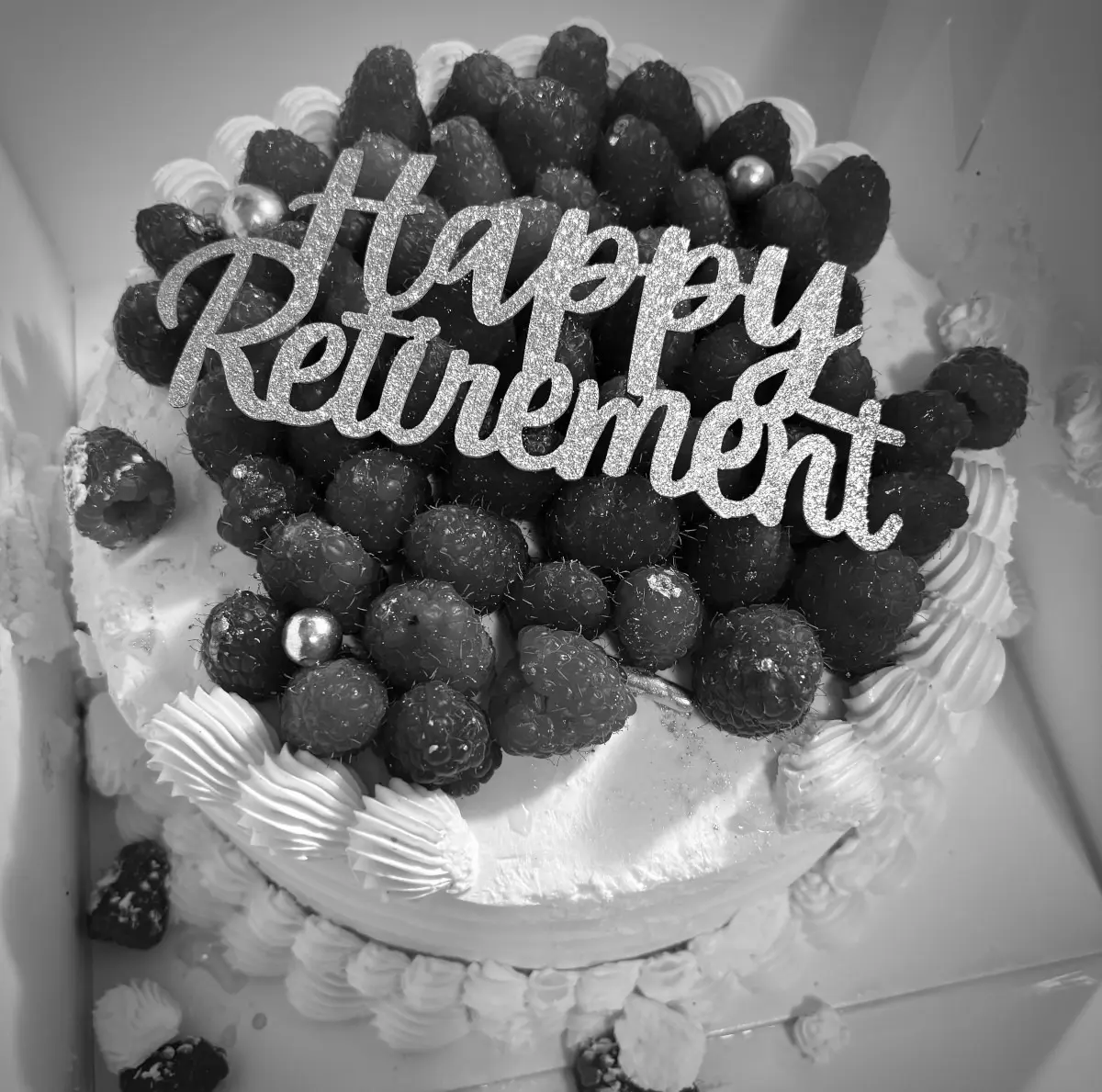
For individuals navigating personal milestones, the holiday also prompts reflection on life outside the traditional workforce. The journey into retirement, pursued by many seasoned professionals, often proves to be as much an educational experience as it is a cessation of daily labor. Navigating this new phase of life frequently involves balancing a surplus of creative ideas with the absence of strict, external professional deadlines. While the concept of retirement implies a uniform slowdown, household dynamics often introduce unexpected variables. For instance, spousal career paths do not always align neatly; a partner may decide to unretire or postpone stepping away from the workforce entirely, altering the anticipated rhythm of household retirement plans and requiring individuals to navigate their newly unstructured days independently for a while longer.
Amid these personal and domestic adjustments, finding new avenues for creative expression remains a vital pursuit. For many retirees, the newfound flexibility provides a welcome opportunity to dive deeper into personal hobbies and long-held passions. Photographic work, in particular, offers a compelling medium to document the world from a fresh perspective. Whether experimenting with unconventional subject matter, capturing the mundane details of daily life, or simply observing the changing seasons, creative endeavors provide a meaningful framework for the post-career years. As the reflections of previous Labour Days demonstrate, the holiday has consistently served as a moment to pause, evaluate the changing conditions of work and rest, and look ahead to the next chapter with renewed perspective.