




As communities gather to observe Labour Day 2026, the annual holiday arrives against a backdrop of shifting economic landscapes, global trade tensions, and personal transitions. Traditionally dedicated to honoring the contributions and achievements of workers, the holiday also serves as an annual cultural marker, signaling both the unofficial end of summer and the swift transition toward the autumn and winter seasons.
This year’s observance invites a broader reflection on the current state of labor, modern capitalism, and the complex socioeconomic pressures defining the mid-2020s. For many observers, the holiday prompts a critical look at how economic systems treat the workforce, raising questions about equity, corporate governance, and the sustainability of contemporary financial structures.
Reflecting on the philosophical underpinnings of the holiday, observers often return to classical critiques of economic organization. A frequently cited passage from Karl Marx’s Das Kapital highlights the long-standing tension inherent in industrial and corporate development: “Centralization of the means of production and socialization of labor at last reach a point where they become incompatible with their capitalist integument.”
In the context of 2026, this critique resonates with ongoing discussions regarding corporate power and systemic integrity. Modern capitalism frequently appears to face scrutiny as an environment where high-level corruption and wealth concentration overshadow the foundational contributions of everyday workers. As global trade wars and associated geopolitical conflicts continue to reshape international supply chains and local economies, the resulting disruptions are expected to leave lasting marks on labor markets and consumer prices for years to come. Observers and participants in the workforce alike look toward the future with a mix of caution and guarded optimism, hoping for a significant economic and social rebalancing in the near term.
Beyond its socioeconomic implications, Labour Day holds a distinct place in the annual calendar as a psychological and commercial pivot point. The holiday marks the definitive close of the summer season, bringing an end to warm-weather routines, vacations, and outdoor leisure. Almost immediately, the cultural focus shifts toward the autumn months and the rapidly approaching holiday season.

For anyone requiring proof of this seasonal acceleration, a brief visit to local retailers provides immediate confirmation. Major warehouse clubs and department stores, including local Costco locations, roll out extensive Christmas displays and holiday merchandise well before the autumn equinox has even passed, illustrating the ever-expanding commercial runway leading up to December.
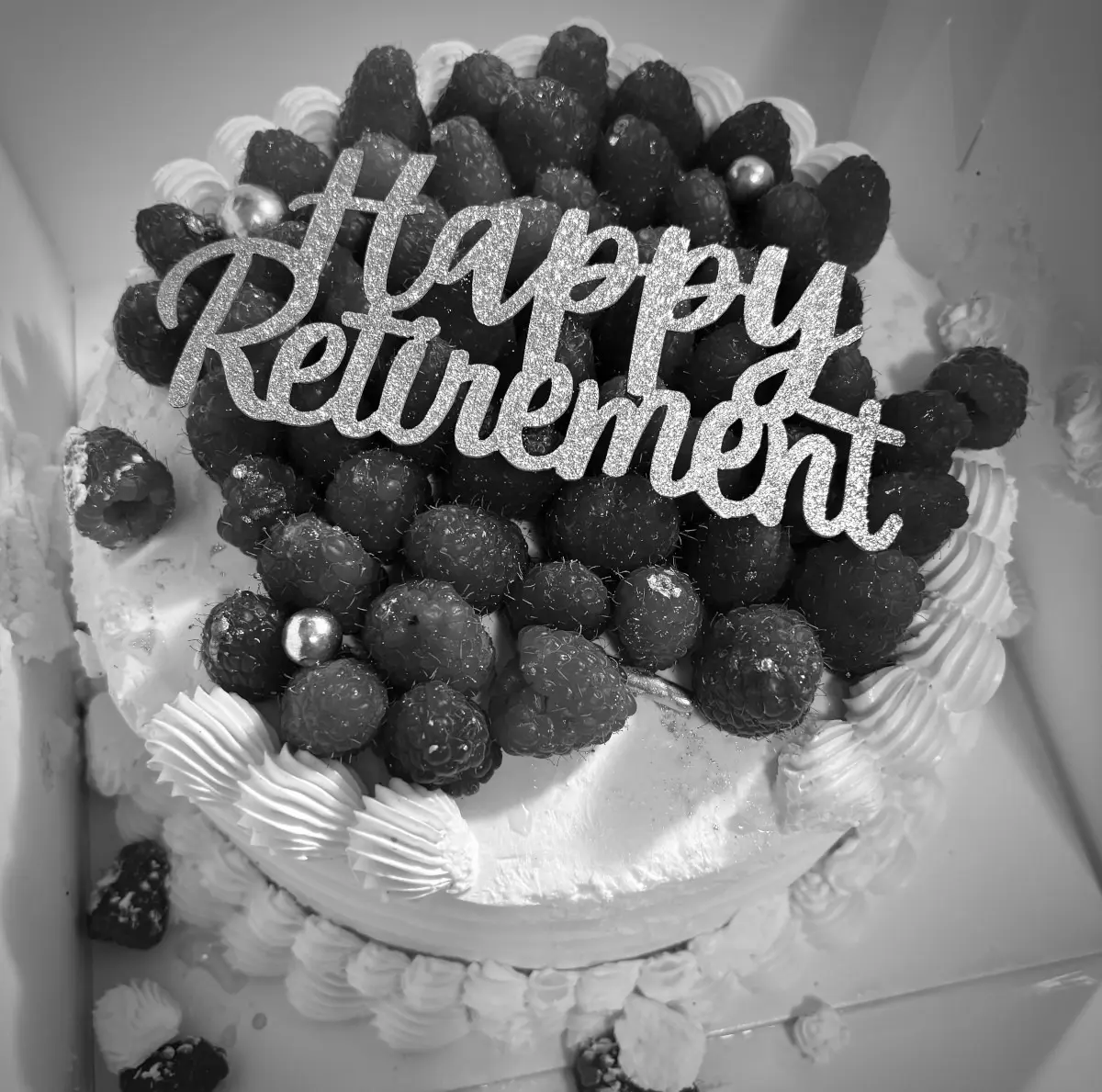
While the broader economic and cultural machinery marches forward, individuals navigating personal milestones find themselves facing their own seasonal shifts. The journey into retirement, in particular, presents a unique set of adjustments during this period. For many recent retirees, stepping away from decades of structured employment initiates a profound learning experience. While retirement theoretically offers an abundance of free time to pursue creative projects, hobbies, and long-held ambitions, translating that freedom into action can prove surprisingly challenging. The initial phase of retirement is often characterized by an accumulation of great ideas paired with a distinct lack of immediate urgency to execute them, as the daily rhythm of life undergoes a fundamental reorganization.
Furthermore, domestic dynamics play a significant role in shaping the retirement experience. While one partner may embrace the transition out of the workforce, household plans do not always align symmetrically. In many cases, spouses choose to unretire, postpone retirement entirely, or pivot into new professional endeavors, altering the envisioned shared timeline. Consequently, navigating the early years of retirement can sometimes be a solitary enterprise, requiring individuals to independently forge new daily routines, explore creative outlets, and redefine their personal productivity outside the traditional workplace.
Amid these personal adjustments, creative pursuits often provide a valuable channel for engagement and fulfillment. For individuals seeking to balance the unstructured nature of retirement, focusing on visual arts and photographic work offers a tangible means of expression. Dedicating time to capturing subjects through the camera lens provides both a creative outlet and a structured discipline, helping to anchor the days with purposeful activity. Whether experimenting with new subject matter, refining technical skills, or simply observing the surrounding world with a more attentive eye, photography serves as a constructive bridge between the working past and the evolving present.
As the Labour Day weekend concludes and communities prepare to resume their regular routines, the convergence of macroeconomic challenges, seasonal changes, and personal transitions underscores the dynamic nature of contemporary life. Whether analyzing global trade policies, navigating the commercial preview of the winter holidays, or adjusting to the rhythms of retirement and creative exploration, individuals continue to seek balance and meaning against a constantly evolving backdrop.