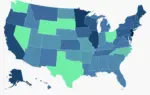



When citizens take tax policy directly into their own hands, the results can reshape state economies, redefine local funding streams, and set aggressive national precedents. This November, that direct-democracy dynamic is playing out on a massive scale as roughly 40 distinct tax measures appear on ballots across 17 states. From progressive proposals targeting high earners to constitutional amendments locking in low flat rates, voters are stepping past state legislatures to make their voices heard on the future of taxation.
To dive deep into these high-stakes measures, a recent episode of The Deduction podcast brought together a panel of experts. Hosts Kyle Hulehan and Erica York sat down with Janelle Fritts, a Senior Policy Analyst at the Tax Foundation, to break down the most consequential tax questions facing the American electorate. Their discussion maps out the complex web of initiatives voters are weighing, ranging from targeted property tax relief to sweeping changes in the legislative rules required to pass future tax increases.
Direct Democracy Meets Fiscal Policy
The sheer breadth of this year’s ballot initiatives highlights a growing appetite among voters to bypass traditional legislative channels when it comes to fiscal governance. Across the country, states are seeing competing visions of how public services should be funded and who should bear the brunt of the tax burden.
In some jurisdictions, the push is toward greater progressivity. Proponents of these measures argue that top earners and high-net-worth individuals should contribute a larger share of their income to support public infrastructure, education, and social safety nets. These initiatives often pitch higher taxes on affluent residents as a matter of economic fairness and a necessary tool to address wealth inequality within state borders.
Conversely, a parallel wave of measures moves in the exact opposite direction. Several states are seeing conservative-backed initiatives aimed at reining in government spending and locking low tax rates directly into state constitutions. By embedding these rates into foundational state documents, proponents hope to shield taxpayers from future legislative whims, ensuring that income and corporate taxes remain modest and predictable over the long term.
The Bold Experiment in Missouri
Perhaps one of the most intriguing and ambitious fiscal questions on any state ballot this cycle is unfolding in Missouri. Voters in the Show-Me State are deciding whether to establish a dedicated fund that could, under specific future conditions, completely revolutionize the state’s revenue model.
The proposal centers on creating a financial mechanism with the ultimate long-term potential to replace every single state tax currently on the books. While the transition envisioned by the fund is a complex and distant horizon, placing the concept before voters signals a profound public desire to rethink the fundamental relationship between citizens and state financing. Experts like Janelle Fritts and the team at the Tax Foundation are closely monitoring the Missouri initiative, as its passage could serve as a testing ground for broader, more radical tax reform movements nationwide.
Navigating Relief, Reform, and Rule Changes
Beyond sweeping systemic overhauls, a significant portion of November’s ballot measures deal with the immediate, tangible financial pressures felt by everyday households and business owners. Property taxes, which serve as the single largest source of state and local revenue in the United States, are a primary battleground. Property levies fund essential community services, including local public schools, road construction and maintenance, and law enforcement agencies. However, soaring property valuations in recent years have left many homeowners grappling with unsustainable tax bills.
Across multiple states, voters are weighing property tax relief measures designed to cap assessment increases, provide targeted exemptions for vulnerable populations such as seniors and veterans, or restrict local governments from raising levies without explicit voter approval. These measures underscore the intense public frustration surrounding the cost of homeownership and the pressure local officials face to balance community budgets without pricing residents out of their homes.
At the same time, the ballot measures go beyond mere rates and relief to examine the mechanics of governance itself. Several states are voting on procedural rules that dictate how future taxes can be enacted or increased. These governance measures often propose higher legislative thresholds—such as requiring a supermajority vote in the state legislature—or mandate statewide public referendums before any new tax or fee can be implemented. Proponents argue these procedural safeguards prevent hasty tax hikes and force fiscal discipline upon elected officials, while critics contend they can paralyze government responsiveness during economic downturns.
Staying Informed on Evolving Tax Policy
As these diverse measures head toward decision day, understanding their mechanics and potential consequences is vital for taxpayers, policymakers, and business leaders alike. The intersections of property tax reform, constitutional rate caps, and experimental revenue funds will shape state economic landscapes for years to come.
For those looking to stay up to date on these developments and the broader policy trends impacting their wallets, organizations like the Tax Foundation continue to provide ongoing data, news, and rigorous analysis. Listeners can catch the full conversation on these ballot measures, along with continuous expert commentary on fiscal policy, by tuning into The Deduction on popular podcast platforms including Apple Podcasts, Google Podcasts, Spotify, Castbox, Amazon Music, or via the official RSS feed.