1


If having one property tax exemption is good, then having two is preferable, and three is better still. Or at least, that seems to be the underlying logic guiding many state legislatures, where lawmakers and voters increasingly pile on new property tax relief measures that rarely cohere and sometimes work at cross purposes. But in…

As the old saying goes, if having one property tax exemption is good, then having two is preferable, and three is better still. Or at least, that seems to be the underlying logic across many states today, where lawmakers and voters continue to pile on new property tax relief measures that rarely cohere and occasionally…

Recent legislative developments, including the passage of the One Big Beautiful Bill Act (OBBBA), have brought renewed attention to the structural mechanics of the corporate tax system. By cementing permanent bonus depreciation for essential machinery and equipment investments alongside immediate expensing for research and development (R&D) costs, the legislation introduced significant improvements to how the…

Recent legislative actions, such as the implementation of the One Big Beautiful Bill Act (OBBBA), have brought significant structural changes to the corporate tax system. By introducing permanent bonus depreciation for machinery and equipment investments alongside immediate expensing for research and development (R&D) costs, the framework aims to modernize how businesses handle capital expenditures. However,…
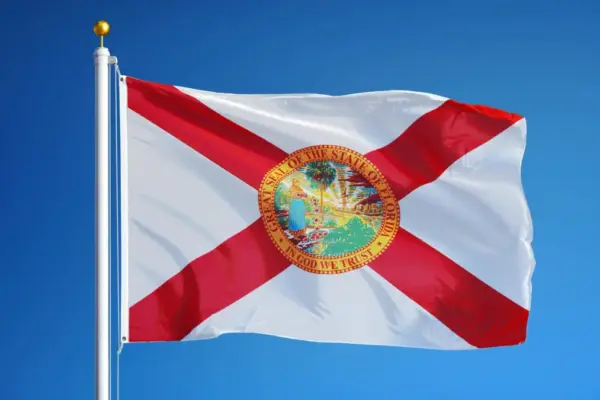
Florida has long maintained a reputation as one of the most economically competitive states in the nation. Bolstered by the absence of an individual income tax, a modest corporate income tax rate, and a balanced revenue structure that adequately funds public services without over-relying on property levies, the Sunshine State has consistently secured a spot…
Florida has long boasted one of the most competitive tax codes in the United States, anchored by the absence of an individual income tax, a moderate corporate tax rate, and a balanced revenue structure that adequately funds public infrastructure, education, and public safety. This fiscal framework has consistently landed the state in the top five…
Florida has long maintained a reputation as one of the most economically competitive states in the nation, anchored by a pro-growth tax code that features no individual income tax, a modest corporate income tax, and relatively lower combined sales taxes than its southern neighbors. This fiscal structure has successfully attracted a steady wave of new…
The structure of a country’s tax code remains a decisive factor in its overall economic performance, balancing the need to raise public revenue with the imperative to foster business investment and growth. A well-structured tax code is simple for taxpayers to comply with, promotes economic development, and generates sufficient revenue for government priorities. Conversely, poorly…
The structure of a country’s tax code remains a decisive factor in its overall economic performance, balancing the need to raise sufficient public revenue with the imperative to promote sustainable growth. According to the 2026 International Tax Competitiveness Index released by the Tax Foundation, a well-structured tax code should be straightforward for taxpayers to comply…
The structure of a country’s tax code remains a critical determining factor of its overall economic performance. A well-structured tax code facilitates compliance for taxpayers, promotes robust economic development, and raises sufficient revenue to meet a government’s core priorities. Conversely, poorly designed tax systems can introduce excessive compliance costs, distort vital economic decision-making, and inflict…