
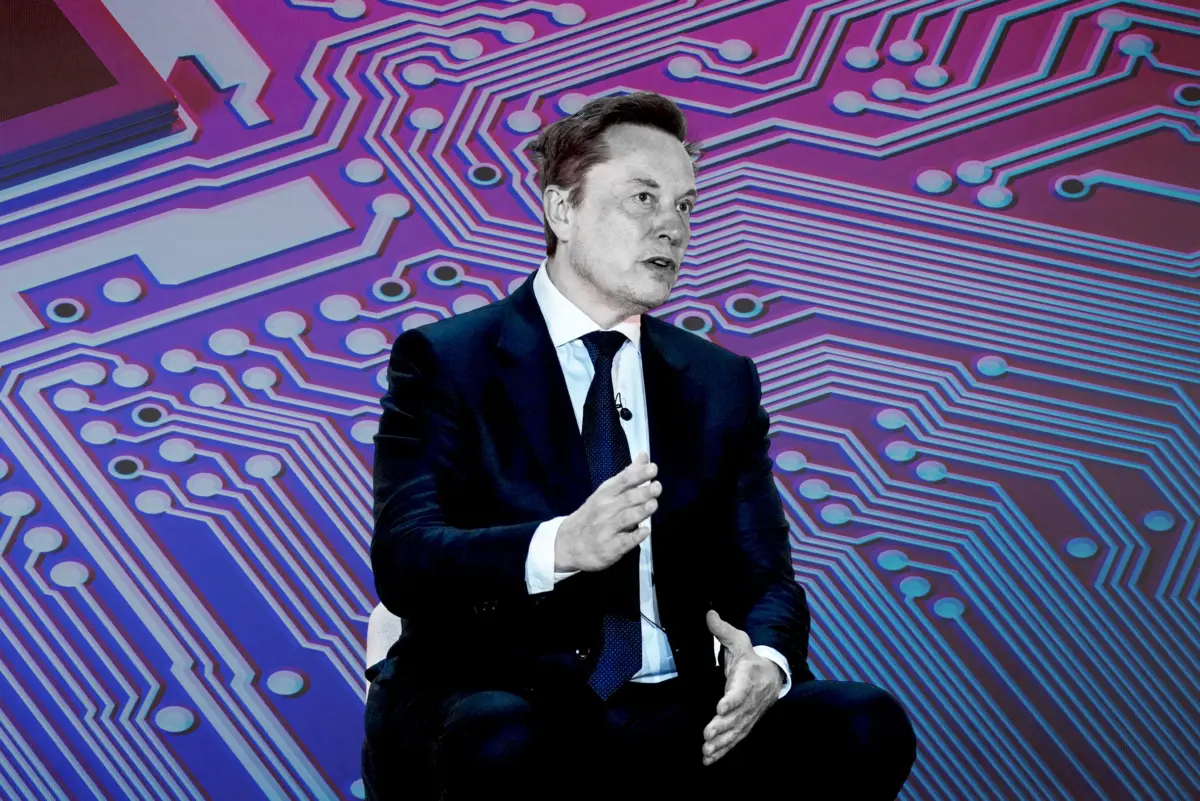
Elon Musk has never been one to shy away from grand ambitions, but his latest venture takes his signature "first-principles" approach into entirely uncharted territory. The billionaire entrepreneur has revealed a plan to construct one of the world’s most advanced and ambitious microchip manufacturing facilities, an undertaking that involves a staggering initial investment and key industry partnerships. There is, however, just one minor complication to the multi-billion-dollar endeavor: Musk freely admits he currently has no idea how to actually manufacture semiconductors.
Speaking to customers, industry observers, and investors during the X Takeover event, Musk addressed the elephant in the room with his trademark casual bluntness. "I have no idea how to make microchips," Musk told the audience, adding with characteristic optimism, "we’ll figure it out."
That philosophy of diving headfirst into complex, capital-intensive engineering challenges and learning on the fly has previously defined Musk’s turbulent yet historically successful journeys in the electric vehicle industry with Tesla and the aerospace sector with SpaceX. Now, he is betting that his extensive engineering experience in building complex rockets and mass-producing automobiles will somehow translate into the ultra-precise, hyper-clean realm of semiconductor fabrication.
The centerpiece of this new initiative is a massive semiconductor factory slated for Texas, tentatively dubbed the "Terafab." The colossal project is structured as a joint venture involving both Tesla and SpaceX, uniting the technological and financial resources of Musk’s two premier corporate entities. In a surprising twist that lends traditional semiconductor credibility to the venture, legacy tech giant Intel has signed on to participate in the project.
According to initial project outlines, the Terafab factory calls for an initial capital investment exceeding $15 billion. Beyond its immense financial footprint, the project is projected to be a major economic booster for the region, expected to create approximately 3,000 high-skilled engineering, manufacturing, and operational jobs.
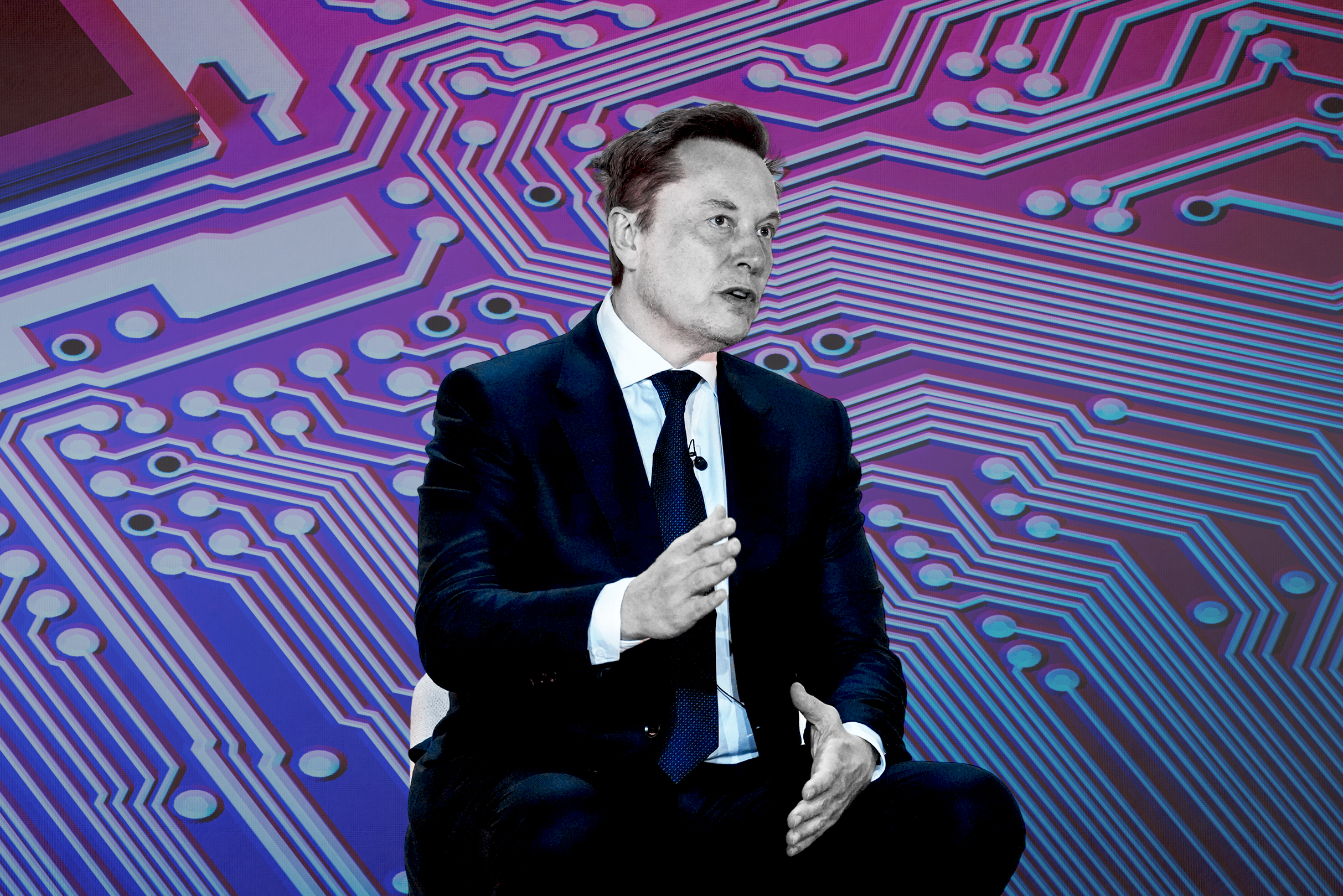
Despite starting from a self-proclaimed baseline of profound ignorance regarding the intricacies of photolithography, silicon wafers, and nanometer-scale nodes, Musk harbors characteristically lofty expectations for the Texas venture. He firmly believes that his companies can eventually out-design, out-build, and outperform established industry titans that have spent decades dominating the global semiconductor market, including Taiwan Semiconductor Manufacturing Company (TSMC), Samsung, and even his project partner Intel.
"We’ll figure out how to make chips better than anyone," Musk stated during the event, while candidly acknowledging the sobering reality that realizing this vision will likely take several years of intensive trial, error, and heavy expenditure.
To bridge the massive technological gap between his current capabilities and the state of the art, Musk outlined a preliminary strategy. Rather than attempting to build entirely proprietary tooling from day one, his plan involves starting with conventional, commercially available chipmaking equipment. Once those standard systems are operational, his engineering teams intend to heavily modify and iterate upon the machinery to dramatically improve production speed, yield, and efficiency.
Musk argued that his companies’ unique institutional experience in developing customized, highly automated manufacturing machinery for electric cars and reusable rockets could give them a distinct structural advantage over traditional, risk-averse semiconductor foundries. In the world of automotive and aerospace manufacturing, rapid iteration and pushing physical boundaries are heavily incentivized. Whether that same ethos can be successfully imported into an industry where a microscopic speck of dust can ruin an entire batch of silicon remains to be seen.
Even with his history of defying conventional wisdom and engineering skeptics, Musk did not sugarcoat the gravity of the challenge ahead. During his remarks, he explicitly categorized semiconductor manufacturing as "one of the hardest things to do in the world."
The global microchip market is currently defined by extreme capital requirements, punishing supply chain dependencies, and intellectual property barriers that have taken decades to construct. For Musk and the Terafab project, the road from an off-the-cuff admission at an X Takeover event to competing neck-and-neck with TSMC and Samsung will be paved with immense technical hurdles. Yet, as investors and industry analysts watch closely, Musk is once again banking on his proven formula: an impossible goal, a massive influx of capital, and a relentless insistence that his teams will simply figure it out along the way.