


The US dollar endured a volatile rollercoaster ride across global financial markets after consumer prices surged in September to a five-month high of 3.7%. This hotter-than-expected inflation figure significantly exceeded consensus forecasts, immediately rattling investor expectations and reshaping the macroeconomic landscape. The hotter inflation print sent shockwaves through the currency and fixed-income markets, temporarily elevating the probability of the Federal Reserve tightening monetary policy as early as October to an even 50-50 split.
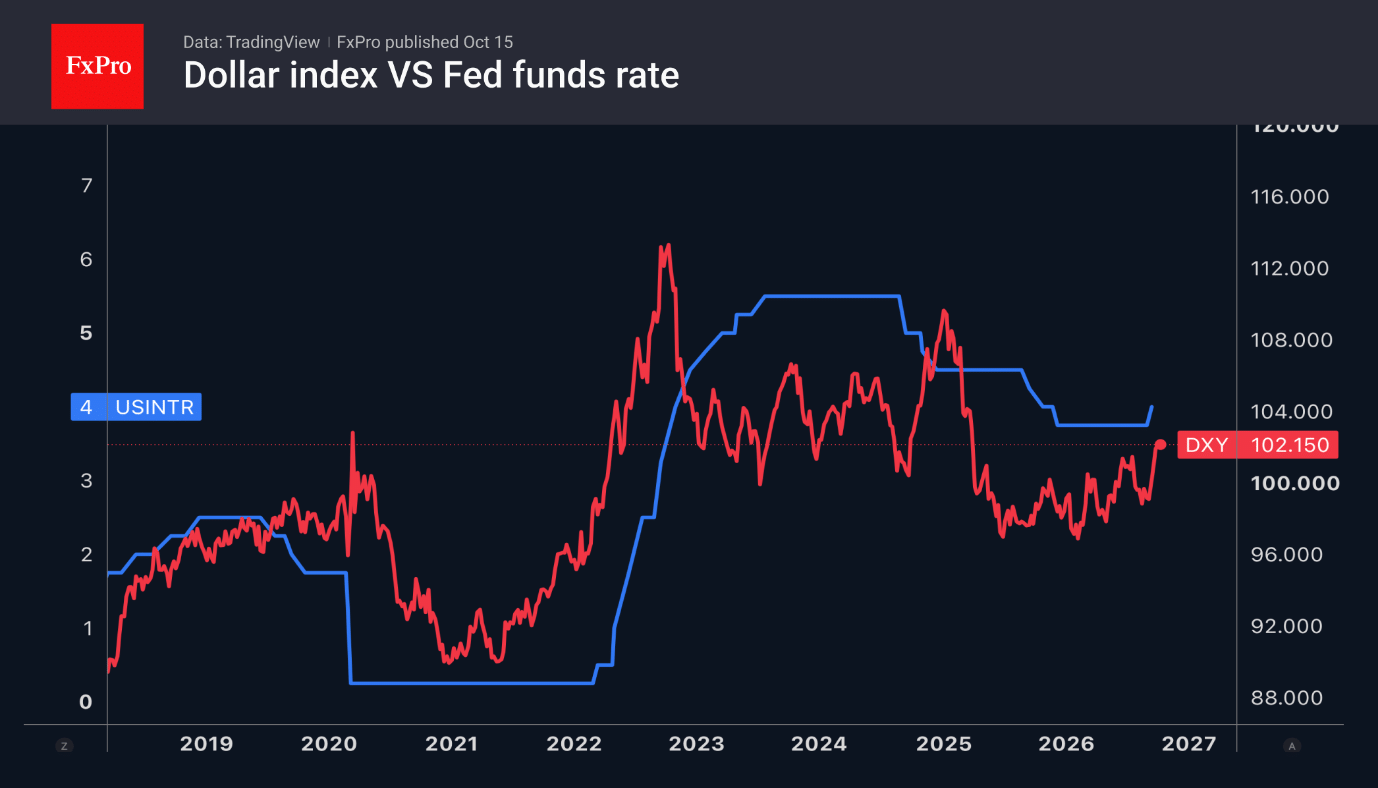
Buoyed by this sudden shift in rate expectations, the US Dollar Index surged to impressive 18-month highs as traders scrambled to reprice currency risk. However, this aggressive bullish momentum proved short-lived. The implied odds of an October rate hike subsequently plummeted back down to 25% as market participants paused to reassess the broader trajectory of monetary policy. Following the initial turbulence, investors quickly turned their undivided attention toward an upcoming speech by Kevin Warsh in Bangkok. Although the Federal Reserve chairman is historically known for playing his cards close to his chest and rarely offering explicit policy hints, market participants remained desperate for any rhetorical clues that might clarify the murky outlook for both interest rates and the greenback moving forward.

The aggressive and immediate reaction of the US dollar to the September inflation data reflects a profound, ongoing shift in overall market sentiment. Rather than obsessing over the exact timing of the next rate hike, investors are becoming increasingly anxious about the ultimate destination—namely, just how far the federal funds rate will ultimately need to rise to vanquish persistent inflationary pressures. At the height of the post-inflation data anxiety, the implied probability that the Fed would enact four distinct rounds of monetary tightening over the subsequent 12 months soared to a striking 61%.
This aggressive tightening outlook, however, quickly cooled and returned to its previous baseline levels largely on the back of evolving expectations surrounding Kevin Warsh’s scheduled remarks. His unwavering commitment to achieving the central bank’s steadfast 2-percent inflation target remains a focal point for institutional investors. A reiteration of this strict mandate could easily trigger a secondary wave of upward momentum in US Treasury yields, thereby reigniting the greenback’s broader advance against its major international peers.
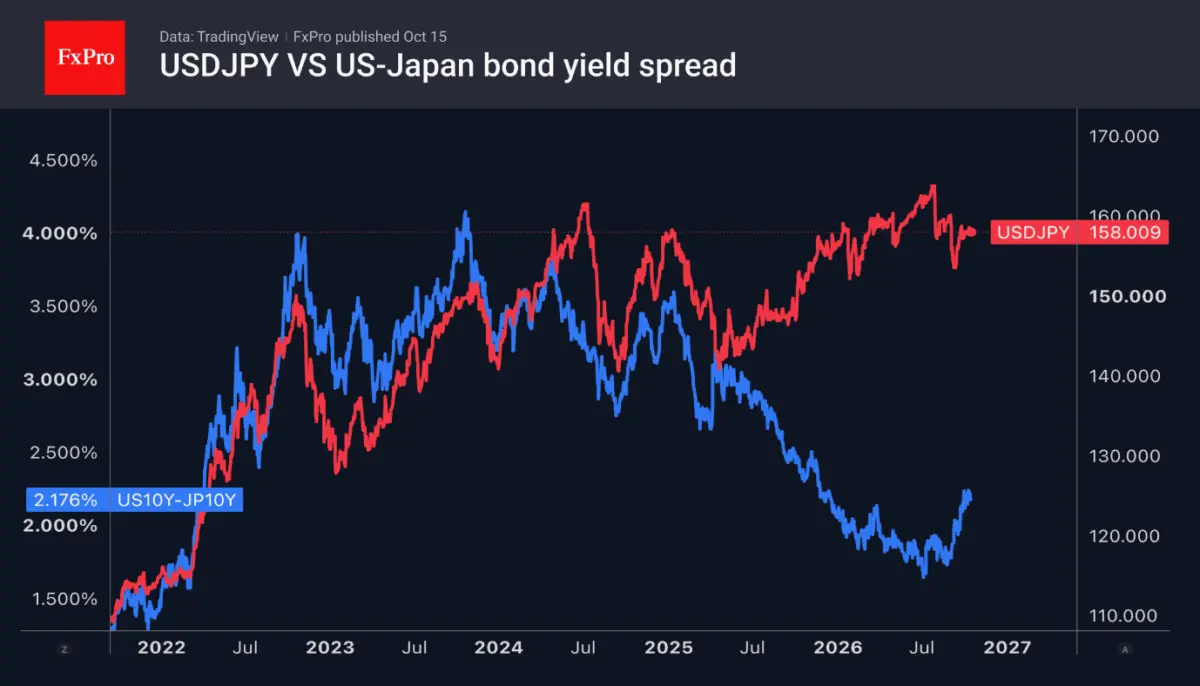
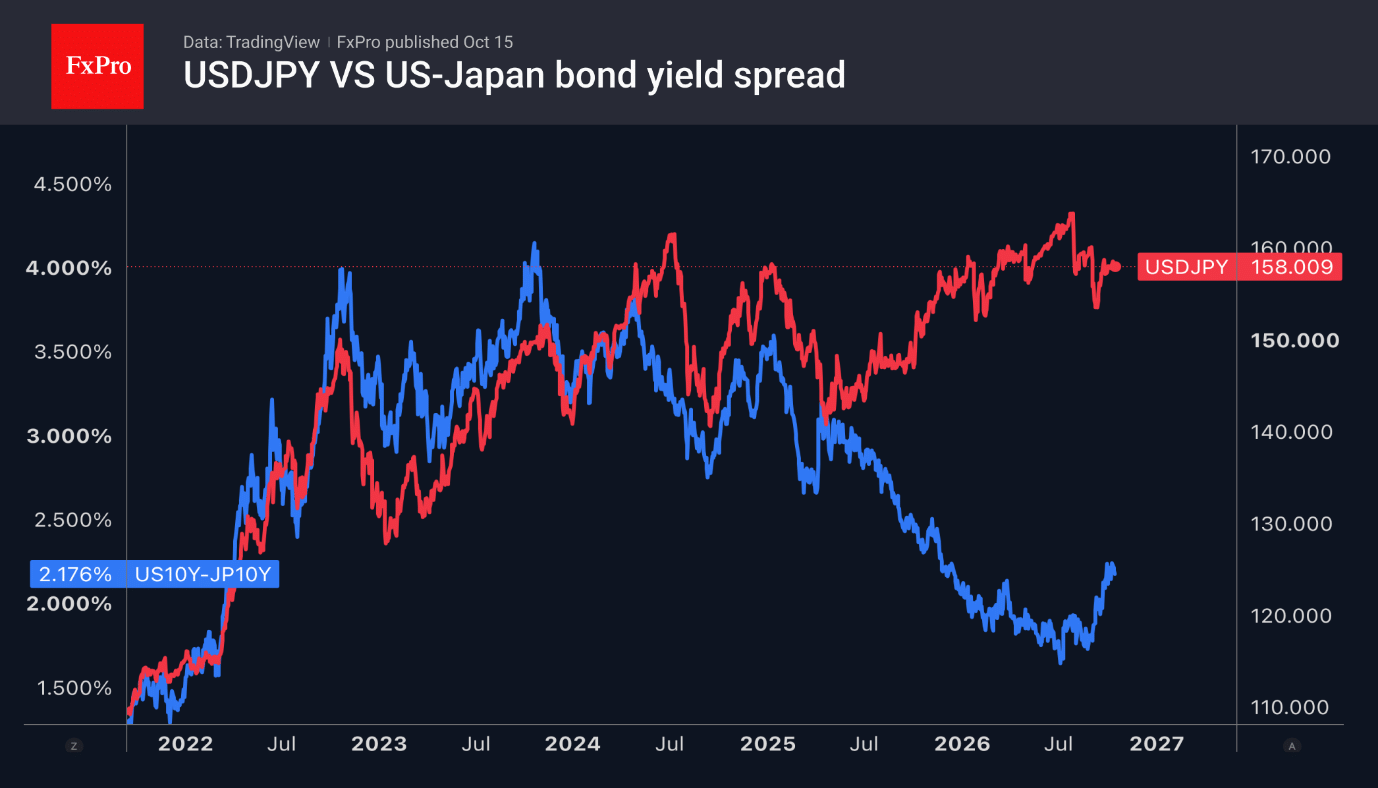
Adding a structural dimension to the interest rate debate, major financial institutions have begun highlighting longer-term macroeconomic headwinds. According to analysis from BlackRock, a potent combination of a record-setting federal budget deficit and fierce, unyielding competition from technology companies racing to raise capital is actively creating the foundational conditions for structurally higher interest rates on debt over the long term. For currency traders, this structural outlook spells ongoing trouble for USDJPY bears. The persistently wide yield spread between US Treasury bonds and Japanese government bonds will likely continue to push the currency pair higher until there is a fundamental shift in the pace of monetary tightening implemented by the respective central banks.
Despite the powerful structural tailwinds favoring the US currency, the Japanese yen recently attempted a notable counterattack. This defensive push was substantially aided by the Japanese government’s resumption of verbal interventions and increasingly hawkish rhetoric emanating from officials at the Bank of Japan. Demonstrating Tokyo’s growing discomfort with currency depreciation, Japanese Finance Minister Satsuki Katayama issued a stern warning, explicitly stating that her ministry remains fully prepared to step in and actively intervene in the foreign exchange market if excessive volatility or speculative pressures warrant such extraordinary measures.
Complementing the government’s verbal warnings, Bank of Japan board member Junko Koeda added to the hawkish chorus by noting that the central bank should not allow itself to be overly cautious when considering further increases to interest rates. These coordinated signals briefly injected a sense of caution among traders betting heavily against the yen.
Nevertheless, a close examination of the futures market reveals a prevailing consensus that anticipates the Federal Reserve and the Bank of Japan will ultimately proceed with monetary policy adjustments at a relatively comparable pace. Given the exceptionally wide structural bond yield spread that continues to persist between the two nations, market strategists emphasize that any downward pull in the USDJPY exchange rate should be interpreted merely as a temporary correction nested within a larger, well-established bullish uptrend.