


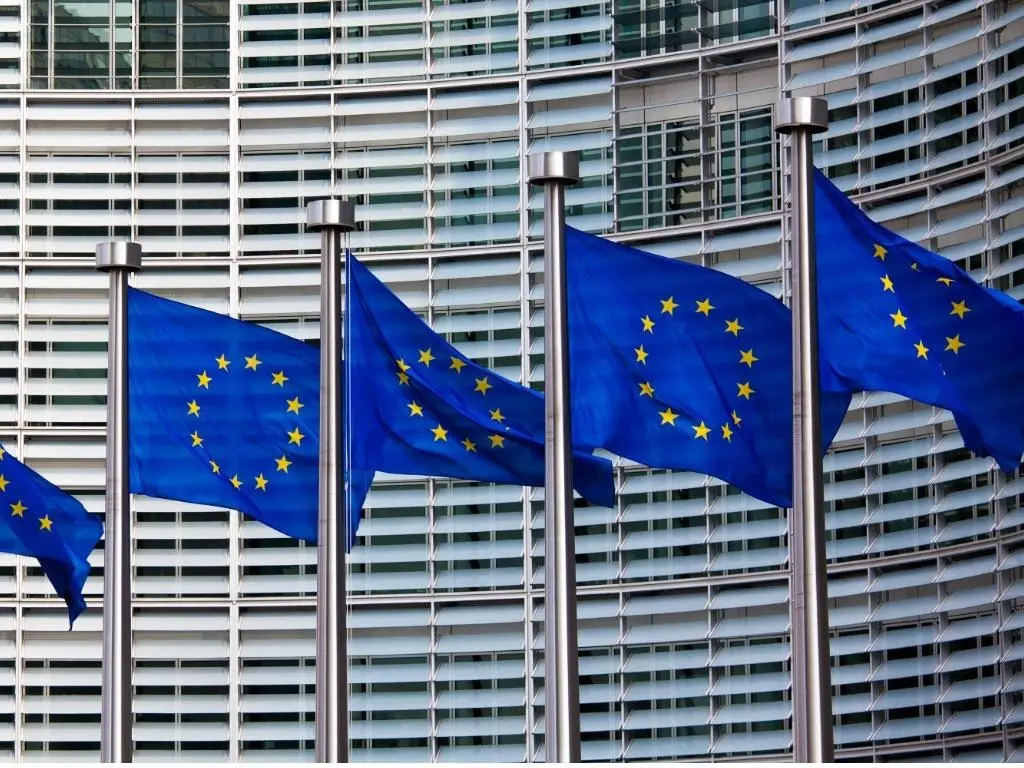
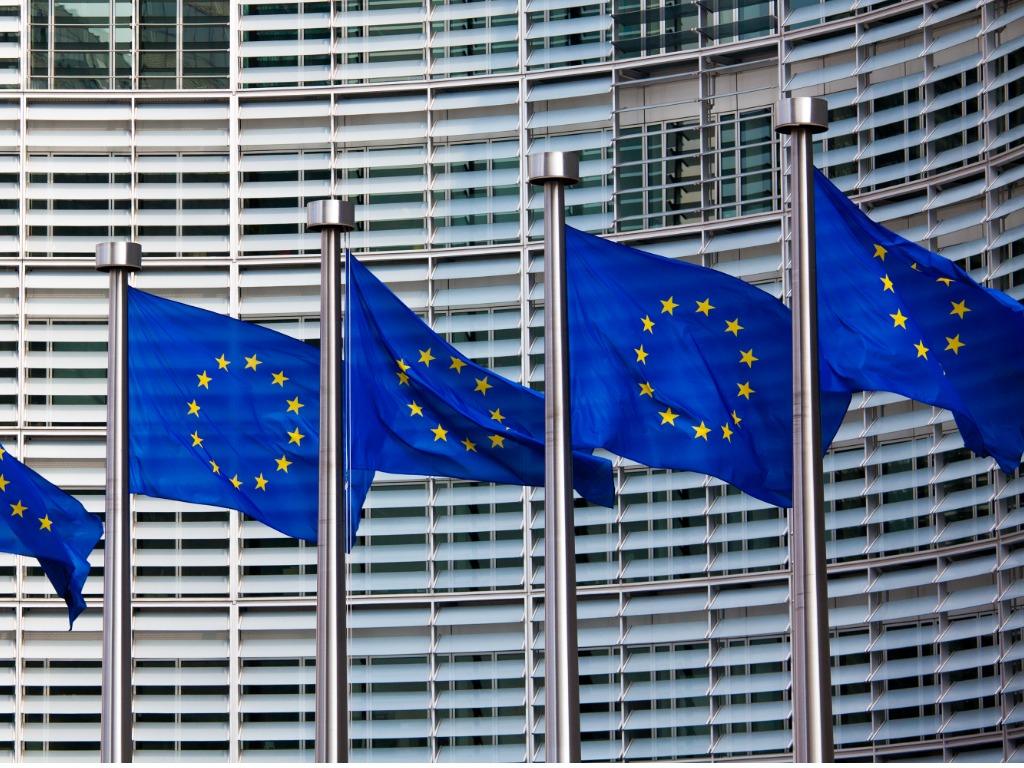
The European Commission has officially withdrawn its flagship Green Claims Directive, abandoning a high-profile regulatory push designed to protect consumers from misleading environmental marketing and greenwashing across the European Union.
The definitive shelving of the proposal was confirmed with the release of the Commission’s 2027 work programme, closing the chapter on a legislative file that spent more than three years stalled amid intense political friction, shifting alliances, and persistent concerns over regulatory overreach and administrative burdens on businesses.
Originally introduced in March 2023, the Green Claims Directive was crafted to address a pervasive market failure identified in various EU studies. According to prior research commissioned by the bloc, more than half of all voluntary green claims made by companies operating within the EU internal market were found to be vague, misleading, or unfounded, with roughly 40 percent lacking any verifiable scientific evidence whatsoever. The proposed regulation sought to bring order and credibility to the marketplace by establishing strict, harmonized minimum requirements for how businesses substantiate, communicate, and verify their environmental claims.
Under the abandoned framework, companies would have been legally obligated to ensure that any voluntary environmental claims—ranging from carbon-neutral packaging to sustainable manufacturing processes—were backed by robust scientific evidence and subjected to independent, third-party verification before being marketed to consumers. Furthermore, the directive took direct aim at the sprawling proliferation of private environmental labels and sustainability seals. It would have required existing labels to be transparent, independently verified, and regularly reviewed, while strictly forbidding the creation of new private labeling schemes unless developed at the EU level and proven to possess significantly greater environmental ambition than incumbent programs.
The legislation was a critical pillar within a broader, consumer-oriented package of environmental and circular economy proposals advanced by the EU Commission. That interconnected legislative agenda included the ecodesign regulation, which establishes comprehensive sustainability and circularity requirements for a wide array of products sold within the bloc, and the Directive on Empowering Consumers for the Green Transition, known as the ECGT. Unlike the ill-fated Green Claims Directive, the ECGT successfully weathered the legislative process and recently entered into force, equipping regulators and consumers with powerful tools to combat deceptive sustainability-related marketing practices.
However, the Green Claims Directive faced an increasingly hostile political climate as it wound its way through the complex EU legislative machinery. The tipping point for the regulation occurred in June 2025, when the proposal was effectively frozen following two protracted trilogue negotiations between the European Commission, the European Parliament, and the Council of the European Union.
The impasse deepened significantly when the European People’s Party, or EPP—the largest and most influential political grouping in the European Parliament—issued a formal letter calling directly on the Commission to reconsider and ultimately withdraw the legislation. The EPP and various industry stakeholders argued that the intricate compliance mechanisms, verification costs, and liability risks associated with the directive would impose a disproportionately heavy administrative burden on companies, running counter to the EU’s broader, parallel initiatives aimed at cutting red tape and simplifying corporate reporting and regulatory compliance burdens.
The path to withdrawal was marked by mixed messaging and intense procedural debate. Following the publication of the EPP’s critical letter, an initial press conference featured a Commission spokesperson stating that the executive body intended to withdraw the proposal. A subsequent clarification provided to ESG Today by a Commission spokesperson qualified that stance, indicating that a complete withdrawal was intended specifically if microenterprises were not successfully exempted from the regulation’s scope.
That rationale faced immediate scrutiny from political commentators and observers at the time, who pointed out that co-legislators had already hammered out compromises during ongoing negotiations to explicitly carve out microenterprises from the directive’s reach, rendering the justification for a wholesale withdrawal puzzling to many policy analysts.

Any ambiguity surrounding the fate of the regulation has now been decisively cleared away by the publication of the Commission’s latest work programme. In its official explanation for removing the file from active consideration, the Commission pointed squarely to the breakdown in consensus among member states and co-legislators.
The file, the Commission stated, had been pending with co-legislators for more than three years without achieving the necessary political momentum. Specifically, the Council of the European Union failed to reach an agreement on a formal negotiating mandate back in June 2024. Subsequent attempts led by successive Council presidencies throughout 2025 to restart constructive discussions and bridge the gaps among member states failed to yield a breakthrough.
Consequently, the executive body concluded that the file stood virtually no chance of securing the requisite majority and sustained political support within the Council within any reasonable timeframe, sealing the fate of one of the EU’s most ambitious planned interventions against greenwashing.