



As the calendar turns to the first Monday of September, communities mark Labour Day 2026—a traditional occasion dedicated to honoring the contributions and struggles of workers throughout history. Yet, this year’s observance arrives against a backdrop of profound global economic anxiety, shifting geopolitical landscapes, and the relentless march of commercialism. For many observers, the holiday serves not only as a celebration of labor but also as a moment for critical reflection on the modern economic order.
The mood of the holiday is captured sharply by classical critiques of the prevailing economic system. Invoking the words of Karl Marx from Das Kapital, observers note the enduring relevance of his analysis regarding systemic tensions: "Centralization of the means of production and socialization of labor at last reach a point where they become incompatible with their capitalist integument."
Applying such thoughts to the contemporary landscape of 2026 reveals a widespread public sentiment that modern capitalism frequently operates as an institutional framework enabling high-level corruption and widening economic divides. Citizens and economic analysts alike look toward the future with a mixture of caution and hope, watching to see if the sociopolitical pendulum will eventually swing back toward greater equity and accountability. Compounding these domestic and systemic concerns are the lingering and evolving repercussions of ongoing global trade conflicts and international military engagements. These geopolitical frictions have reshaped supply chains, heightened inflation anxieties, and left indelible marks on the global economy that will likely resonate for years to come.
Beyond its socioeconomic implications, Labour Day also carries a distinct cultural significance as a seasonal pivot point. Culturally, the holiday serves as an unofficial demarcation line, signaling the definitive end of the summer season and the swift, almost abrupt transition into the autumn and winter holiday cycles. For those skeptical of how quickly the commercial world moves, proof is readily available well before the leaves begin to turn. One only needs to visit a local Costco or major retailer to find aisles already stocked with holiday merchandise, serving as an early reminder of the impending Christmas season long before the autumn equinox arrives.
Retirement Writings So Far in 2026
For individuals navigating personal transitions alongside these broader societal shifts, Labour Day offers a natural pause for self-assessment. The ongoing experience of navigating the modern "Retirement Journey" provides a unique lens through which to view the rhythm of contemporary life. For many recent retirees, stepping away from the daily demands of the workforce is rarely a straightforward path; rather, it unfolds as a continuous learning experience filled with adjustments, new routines, and unexpected realizations.
While stepping away from a lifelong career often sparks a surge of creative concepts and ambitious projects, translating those internal ideas into tangible action can sometimes take a back seat to the sheer adjustment of pace. Household dynamics also play a pivotal role in shaping this transition. Spouses navigating the post-career phase together—or, in some cases, apart—find that retirement schedules require constant renegotiation. While one partner might embrace the unstructured freedom of stepping away from the professional world, the other may decide to unretire, or choose a path of continued professional engagement, prompting adjustments to individual routines and shared expectations alike.
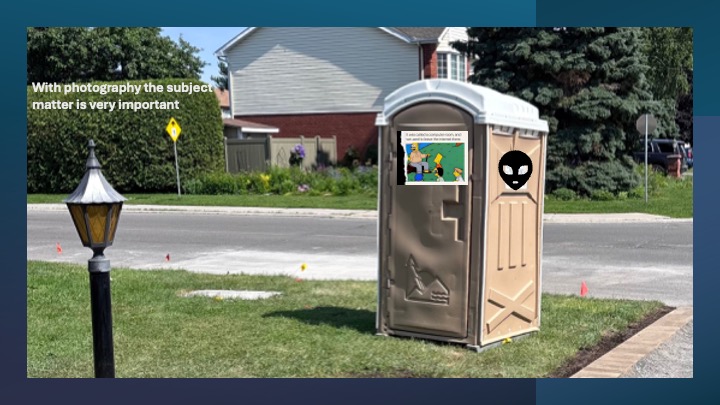
Amid these domestic adjustments, personal passions and creative pursuits often take center stage. For many, the slower pace of post-career life provides the necessary time and mental space to refocus on long-held interests that were previously sidelined by professional obligations. Creative endeavors, such as dedicated photographic work, benefit immensely from this newfound flexibility. Observers and hobbyists alike note that spending time behind the lens offers a fresh perspective on everyday surroundings, allowing individuals to document their immediate environment with renewed patience and artistic intent.
As previous Labour Days fade into memory and communities look ahead to the remainder of 2026, the holiday remains a complex amalgamation of historical commemoration, economic critique, and personal transition. Whether reflecting on the trajectory of global trade, the psychological adjustment of leaving the workforce, or simply watching the seasons change from summer to fall, individuals across the country use this early September milestone to take stock of where they have been and where the road ahead may lead.