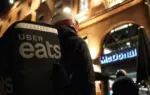


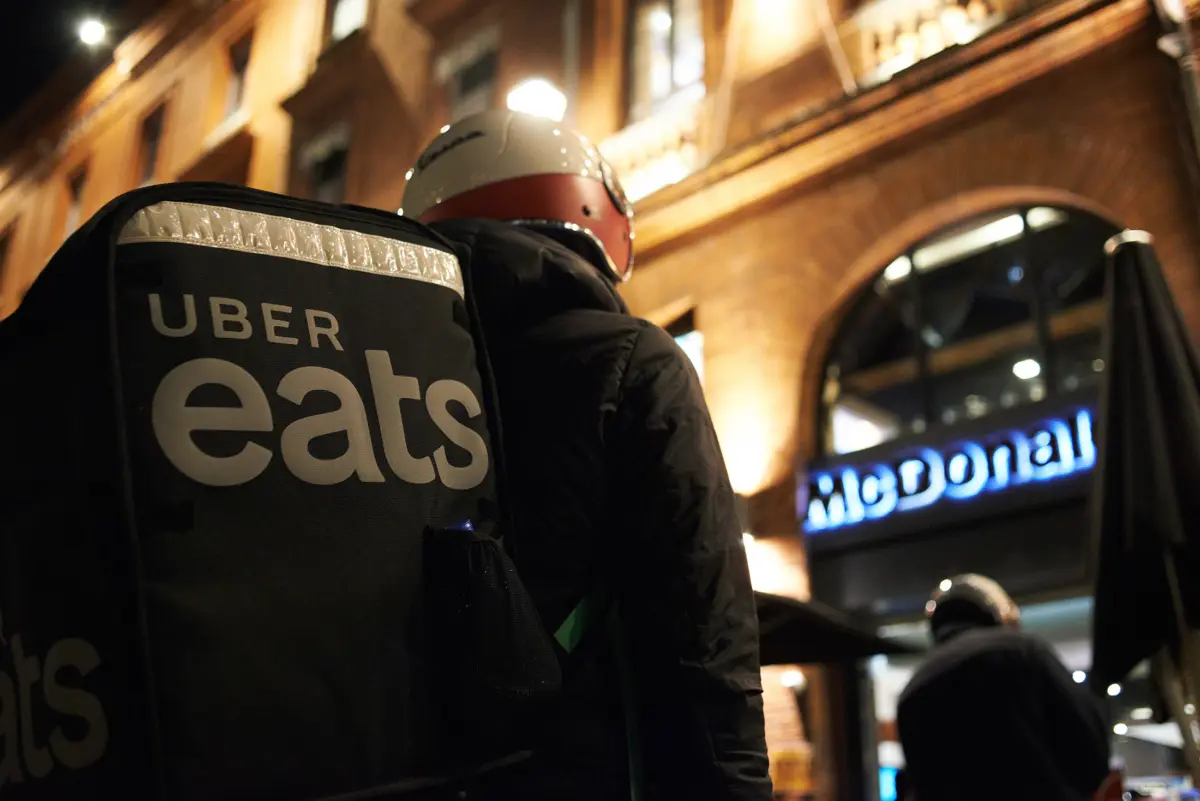
McDonald’s has officially shaken up the competitive landscape of digital food delivery by naming Uber as its "preferred delivery partner" for orders placed directly through the McDonald’s app across 14 major countries, including the United States, the United Kingdom, Canada, and France. The strategic move, reported initially by Bloomberg, marks a significant shift in the fast-food giant’s logistics strategy. Up until this new agreement, McDonald’s had split its native app delivery volume between Uber and its primary rival, DoorDash.
For the everyday consumer craving a late-night Big Mac or an afternoon McFlurry, the change will largely happen behind the scenes. Customers placing an order through the official McDonald’s app will now find that an Uber driver is the one dispatched to bring their meal to their doorstep. Beyond just logistics, the expansive deal also solidifies Uber as the fast-food chain’s exclusive delivery and rideshare rewards partner. This integration means that select MyMcDonald’s Rewards members can already begin trading their accumulated loyalty points for discounts on Uber rides, bridging the gap between fast-food dining and urban transportation.
Despite the new preferred status within the McDonald’s app itself, diners will still be able to find the fast-food chain listed on both the Uber Eats and DoorDash third-party marketplaces. The dual-app presence ensures that casual users who prefer ordering directly through major food delivery aggregators can still do so without disruption. However, the designation of Uber as the preferred partner for native app orders gives the ridesharing and delivery behemoth a powerful advantage in capturing high-value direct traffic from one of the largest restaurant chains in the world.
Describing the scale of the partnership, Andrew Macdonald, Uber’s president and chief operating officer who shares no relation to the fast-food brand’s namesake, noted that this agreement represents the company’s broadest expansion with McDonald’s to date. The partnership opens a lucrative commercial door for Uber, providing direct access to more than 45 million U.S. loyalty members.
This massive influx of potential customers comes at a crucial time as Uber aggressively works to close the gap with DoorDash, which currently commands approximately 59% of total delivery-app spending in the United States, according to recent data from Consumer Edge. The delivery sector has seen a flurry of high-stakes corporate maneuvering and consolidation efforts in recent months. In late October, DoorDash announced ambitious plans to acquire Instacart, a move that would further solidify its dominant footprint in the delivery and grocery space. Not to be outdone, Uber swiftly countered earlier this month by announcing a major Amazon Prime delivery deal, setting the stage for an escalating battle for consumer loyalty, logistical dominance, and market share across the digital delivery ecosystem.