

By Jon Small | Edited by Dan Bova
October 09, 2026
If you did not expect a candy bar’s worth of sugar in your daily latte, you may soon find yourself entitled to financial compensation.
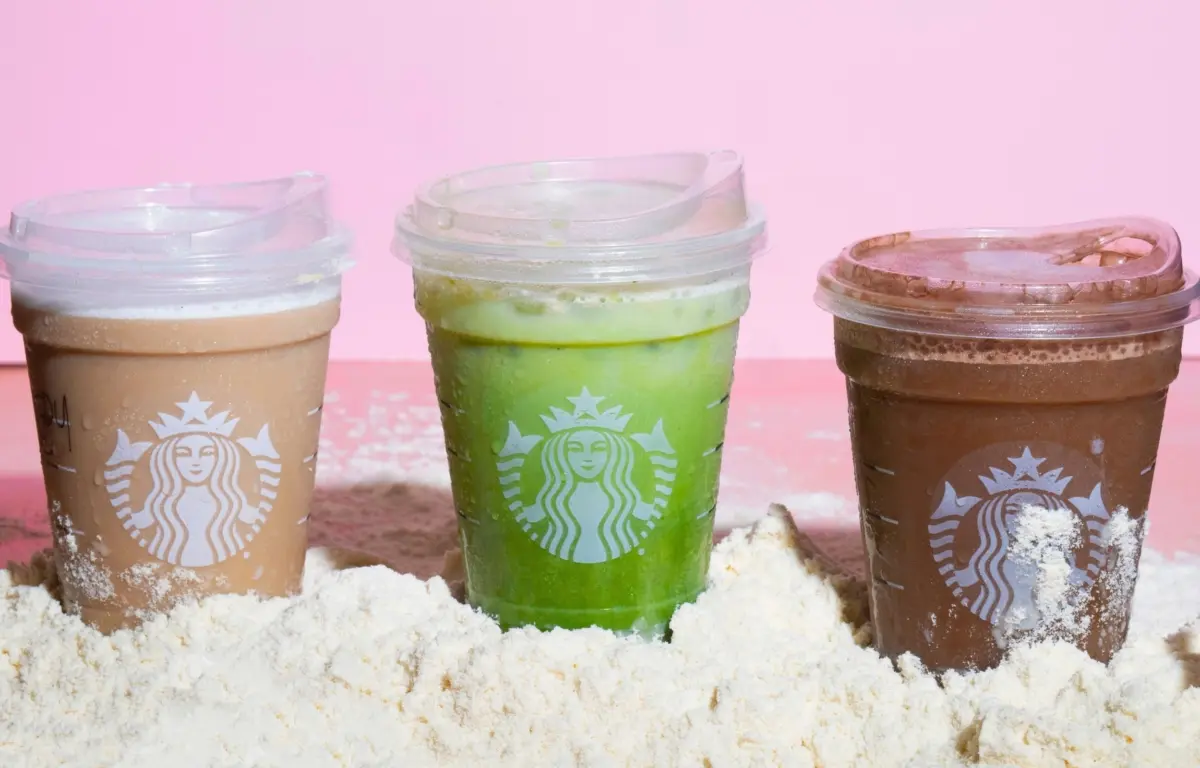
A new federal class-action lawsuit is accusing coffee giant Starbucks of misleading unsuspecting customers by labeling certain popular protein lattes and matcha drinks as "sugar-free." According to allegations outlined in the legal complaint, these specialty beverages actually contain between 13 and 21 grams of sugar per serving—an amount that rivals the sugar content found in a standard Kit Kat bar.
The high-stakes legal challenge was filed in federal court by the prominent class-action law firm Hagens Berman, acting on behalf of three individual consumers residing in California, New York, and Washington. The lawsuit targets a marketing narrative that the plaintiffs argue takes advantage of health-conscious consumers who are intentionally trying to reduce or eliminate sugar from their diets.
The core of the dispute centers on how consumers interpret the phrase "sugar-free" when it is prominently associated with specialty beverages marketed for fitness, wellness, and nutritional supplementation. For many patrons navigating busy mornings, ordering a beverage labeled as sugar-free implies a total absence of sugar, or at the very least, a negligible amount. Discovering that a single drink harbors up to 21 grams of sugar can come as a jarring surprise, particularly for individuals managing medical conditions like diabetes, those adhering to strict low-sugar nutritional regimens, or everyday shoppers simply trying to cut back on empty calories.
In response to the legal filing, Starbucks issued a formal statement on Tuesday firmly denying that it has misled its customer base in any way. The Seattle-based coffeehouse chain maintained that it has always transparently shared comprehensive nutritional information across its various customer touchpoints, including its official website and mobile ordering application. Furthermore, the company stated that it intends to "vigorously defend" itself against the claims brought forward by Hagens Berman.
To explain the presence of sugar in the disputed beverages, Starbucks detailed the formulation of the drinks. The company clarified that the sugar found in the beverages originates naturally from its specialized protein-boosted milk components rather than from added table sugar or sweeteners. Starbucks emphasized that it does not intentionally add sugar to these drinks during preparation and noted that it specifically utilizes sugar-free flavored syrups to impart taste. The company pointed out that its public website explicitly lists the exact sugar content for every beverage it sells while simultaneously noting that they are crafted without added sugars.
However, the legal team representing the plaintiffs argues that Starbucks is attempting to deflect blame by shifting the focus to technicalities regarding added versus total sugars. Hagens Berman maintains that the defense regarding nutritional disclosures misses the overarching point of the consumer protection complaint.
"This case is about false and misleading product names. It is not about missing nutritional information," the lawsuit explicitly states.
The legal philosophy underpinning the class-action filing suggests that printing nutritional facts in fine print on a digital menu or website does not grant a major corporation the license to apply deceptive labeling directly to the product’s name or marketing description. In the view of the plaintiffs and their legal counsel, calling a beverage "sugar-free" when it contains up to 21 grams of sugar constitutes a deceptive business practice that violates state and federal consumer protection laws, regardless of whether that sugar is naturally occurring in the dairy ingredients or poured from a bag of refined sweetener.
The class-action lawsuit is seeking significant financial damages on behalf of a nationwide class of U.S. consumers who purchased these specific sugar-free protein and matcha beverages under the assumption that they were consuming a product devoid of sugar. Beyond monetary compensation, the legal action asks the federal court to issue a permanent injunction barring Starbucks from utilizing the "sugar-free" label on any of its menu items that contain measurable amounts of sugar, ensuring greater clarity and truth in advertising for future patrons.