




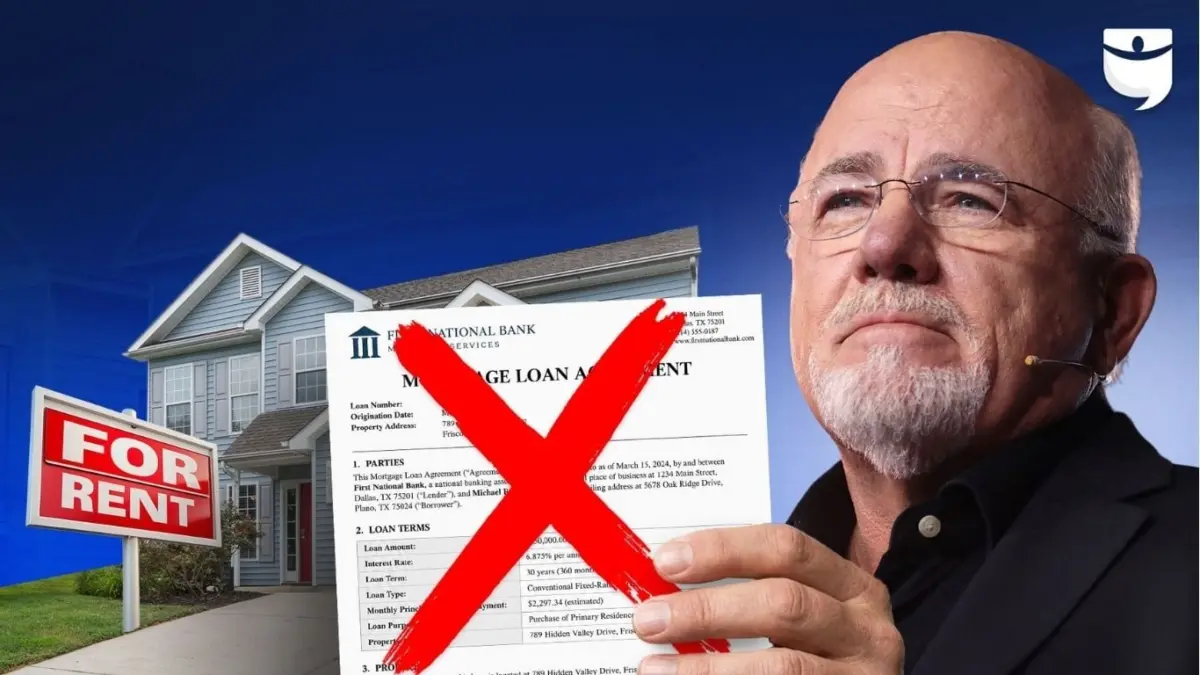
In the ever-evolving landscape of real estate investing, few topics generate as much debate as the timeless question of debt versus cash. While the standard approach for most investors involves putting down 20% on a rental property and securing a mortgage for the remainder, alternative philosophies continue to challenge traditional methods. Prominent figures like Dave Ramsey advocate for purchasing real estate free and clear of debt, or at the very least, utilizing shorter 15-year notes as a last resort.
Recently, the BiggerPockets Podcast addressed these competing investment strategies during a forum Q&A episode hosted by Henry Washington alongside guest co-host Deandra McDonald, a commercial real estate investor known for her journey from starting with modest capital to achieving financial freedom through rental properties. The discussion tackled not only the feasibility of building a real estate portfolio entirely with cash, but also practical dilemmas faced by self-managing landlords, capital-raising strategies for young investors, and the complexities of commercial hotel conversions.
Weighing the Pros and Cons of Leverage Versus Debt-Free Investing
The episode opened with a listener question from Jimmy in Phoenix regarding the viability of Dave Ramsey’s debt-averse approach for beginners. Washington noted that while purchasing a $300,000 property with a 20% down payment allows an investor to control an appreciating, cash-flowing asset with limited upfront capital, Ramsey’s philosophy warns against the risks of interest and financial leverage.
According to Washington, debt is ultimately a tool. When used properly, it allows investors to scale their portfolios efficiently, whereas improper use can lead to financial injury. Furthermore, Washington addressed the common advice to pay off all personal debt before investing. He argued that smart investors typically focus only on high-interest debt, such as high-rate credit cards, rather than medium- or low-interest debt. If an investor can generate a return on a real estate asset that exceeds the interest rate of the debt, utilizing leverage makes logical financial sense.
McDonald offered a nuanced perspective on the debate, comparing Ramsey’s audience to individuals recovering from financial overextension. She noted that Ramsey’s strict guidance is often targeted toward consumers who have accumulated massive amounts of consumer debt, high-end mortgages, and unsustainable spending habits. For individuals with a disciplined financial plan and controlled liabilities, taking out a mortgage to acquire income-producing property is entirely reasonable. However, McDonald agreed that if an investor’s income is entirely tied up in consumer debt and poor spending habits, pausing to clean up personal finances before entering the real estate market is a necessary first step.
Navigating Rental Turnovers and Contractor Challenges
Transitioning from macro investment philosophies to day-to-day operations, the conversation shifted to a question from Mike in Washington, D.C., concerning the primary bottlenecks in rental property turnovers. Both hosts agreed that delays often stem from a combination of unexpected property conditions and scheduling issues with contractors, particularly during peak seasons like summer.
McDonald highlighted the stark difference between expected turnovers—where lease end dates and conditions are mutually understood—and unexpected abandonments or evictions. Gaining legal access to a property after an eviction or abandonment often creates immediate delays, as landlords must wait for official sheriff clearances before entering, changing locks, or assessing damage.
Washington added that the final 5% of a renovation or turnover frequently causes the most friction. Minor touch-ups, punch-list items, and getting contractors to return after they have already moved on to new projects can stretch vacancy timelines significantly. To combat these delays, Washington recommended withholding a portion of the final payment until all agreed-upon work is thoroughly inspected and completed. McDonald echoed this sentiment, noting proactive measures such as scheduling contractor bids weeks in advance and upgrading vulnerable materials like laminate flooring to more durable tile to minimize future wear and tear.
Evaluating Tenant Screening and Advanced Rent Payments
Addressing tenant screening complexities, the hosts analyzed a submission from a community member whose prospective tenant offered to pay a full year of rent upfront despite having a history of poor credit and a past domestic charge.
Washington expressed openness to accepting a full year of rent, provided the applicant passes standard rental criteria and background checks. He emphasized that credit scores alone do not tell the whole story, noting that medical debt or past divorces frequently damage credit without indicating a tenant’s willingness or ability to pay rent.
However, McDonald raised a critical legal and financial caution regarding advanced payments: landlords must carefully consider whether they are legally prepared to manage or return those funds if the tenant breaks the lease early. If the upfront rent is immediately spent on other investments without adequate cash reserves, the landlord could face severe legal and financial liabilities if a dispute arises.
The discussion also touched upon criminal background checks. Both hosts stressed that while criminal records require careful evaluation rather than automatic disqualification, certain offenses—such as hate crimes or specific convictions in multifamily settings—present unacceptable risks to neighboring tenants. Thorough screening remains the fundamental responsibility of any independent landlord.
Raising Capital and Starting Young in Real Estate
The podcast also addressed an inquiry from Kyle, an 18-year-old investor in Dayton with minimal capital and credit history, who asked whether he should focus on raising capital or simply work long hours to build savings.
McDonald and Washington both praised the young investor for starting early but issued strong warnings regarding the use of 100% other people’s money (OPM) as an introductory strategy. McDonald emphasized that relying entirely on private lenders without personal financial reserves leaves an inexperienced investor vulnerable if a property requires unexpected repairs. Furthermore, raising capital from friends and family carries immense interpersonal risk if a deal goes wrong.
Washington advised that while real estate can be acquired with minimal cash, entirely debt-free or zero-cash ownership is a myth, as ongoing expenses, maintenance, and mortgage payments require immediate liquidity. For young investors without existing capital, Washington recommended working traditional jobs, saving aggressively, and simulating future living expenses to build a foundational reserve. McDonald added that house hacking—purchasing a modest starter property, living in it, and fixing it up personally—serves as an effective way to build sweat equity and tax-free capital for future investments.
Opportunities and Hurdles in Commercial Hotel Conversions
The episode concluded with an examination of commercial real estate trends, specifically the conversion of distressed hospitality assets into residential or workforce housing, as highlighted by Priyan Shu, a real estate agent in Columbus, Ohio.
McDonald, who has extensive personal experience converting rundown motels into residential properties, confirmed that she remains heavily active in this strategy. She noted that while such projects offer immense potential by re-underwriting long-term residential cash flow, investors must navigate significant hurdles.
The most critical obstacle, according to McDonald, is municipal zoning. If a municipality restricts properties to short-term stays as part of its long-term community plan, fighting the city rarely succeeds. Furthermore, structural realities such as concrete slabs and cinder block walls can make plumbing additions extremely expensive and logistically difficult.
McDonald also addressed the common assumption that motels easily transition into senior or assisted living facilities, clarifying that specialized care requirements, strict ADA compliance, specialized sprinkler systems, and commercial kitchen demands make healthcare conversions vastly different from standard workforce housing. Washington reinforced the importance of aligning investment plans with municipal goals, noting that working in harmony with local city planners yields far better results than attempting to force unauthorized zoning changes.