




As communities gather to observe Labour Day, the annual holiday serves as a moment to reflect not only on the contributions of the workforce, but also on the shifting economic landscape of 2026. This year, the traditional celebration arrives against a backdrop of complex global challenges, including ongoing trade tensions and international conflicts that continue to cast a long shadow over the international economy.
For many observers, the holiday prompts a critical examination of modern economic systems. Bringing a historical perspective to the current state of affairs, commentators have pointed to the enduring relevance of classical critiques on the accumulation of capital. A frequently cited passage from Karl Marx’s Das Kapital highlights the structural strains inherent in modern economic frameworks: "Centralization of the means of production and socialization of labor at last reach a point where they become incompatible with their capitalist integument."
In the context of 2026, these theoretical tensions manifest in daily economic realities. Contemporary capitalism increasingly faces public scrutiny, frequently appearing to critics as an environment vulnerable to high-level corporate and institutional corruption. As citizens navigate the pressures of a shifting economic order, many look toward the future with cautious optimism, hoping for a systemic correction—a metaphorical swing of the pendulum—toward greater accountability and fairness for working-class populations. Furthermore, the compounding effects of a protracted global trade war and concurrent geopolitical conflicts have disrupted supply chains and labour markets alike, leaving structural marks that economists predict will influence trade and employment policies for years to come.
Beyond its socio-economic implications, Labour Day also carries a distinct cultural significance as a seasonal marker. The holiday traditionally symbolizes the unofficial conclusion of the summer months, prompting a collective transition into the cooler autumn season. Yet, the commercial calendar refuses to acknowledge a gradual transition. For consumers seeking tangible evidence of how quickly the retail market moves, a brief visit to a local Costco offers an immediate reminder that the winter holiday cycle is already underway, bridging the gap between summer’s end and the arrival of the Christmas season.
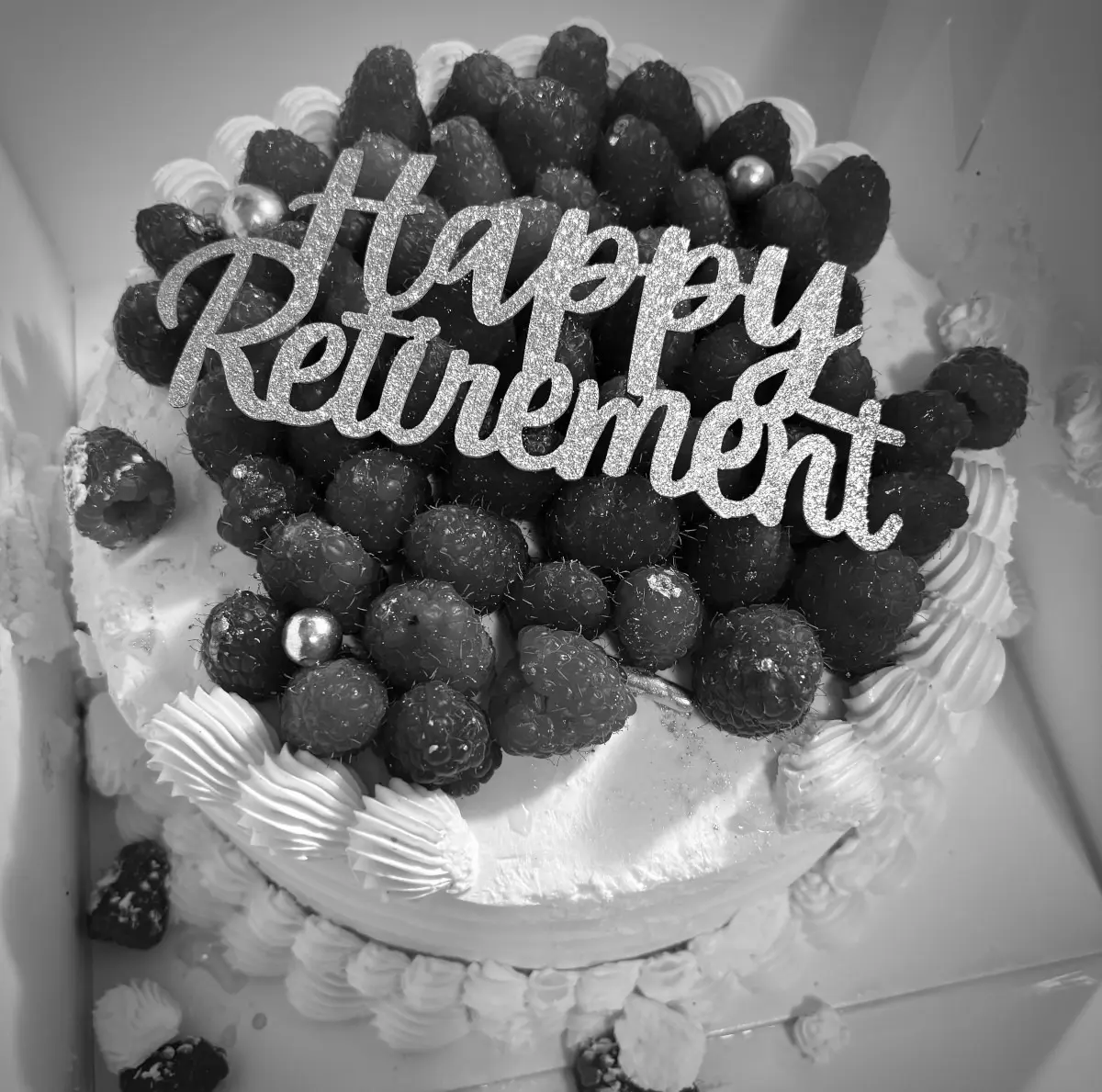
While the broader macroeconomic and cultural shifts dictate the rhythm of society, individuals are likewise navigating their own personal transitions during this period. For many, the later stages of life bring profound changes in routine and identity, particularly regarding the concept of retirement.

Retirement Writings So Far in 2026
Navigating the post-career phase often proves to be an evolving education rather than a static destination. For those currently journeying through retirement, the experience is frequently described as a continuous learning curve filled with conceptual projects and creative ambitions. However, a common paradox of this life stage is the frequent disconnect between possessing a multitude of ideas and mustering the immediate motivation to execute them.
Complicating matters further, household dynamics often shift in unexpected ways during retirement. While one partner may embrace the traditional transition out of the workforce, lifestyle plans can quickly pivot. In many cases, partners decide to re-enter the workforce or elect not to retire at all, altering the daily rhythm of household routines and requiring individuals to navigate their retirement journeys independently for a longer period than initially anticipated.
Amid these domestic adjustments, personal passions and creative outlets often take center stage. For many retirees, dedicating time to long-neglected hobbies provides a renewed sense of purpose and structure. In particular, creative pursuits such as photography have emerged as a primary focus, offering an avenue to document daily life, explore new subject matter, and refine technical skills. As practitioners of the craft continue to experiment with different perspectives and compositions, the work serves as a tangible record of a life transitioning into a new, deliberate pace.
As the Labour Day holiday draws to a close, it leaves behind a complex tableau of global reflection and personal adaptation. Whether examining the macro-level trajectories of international trade and labour rights or observing the quieter, personal milestones of retirement and creative exploration, the holiday remains a vital checkpoint for society, marking the end of one season and the quiet preparation for the challenges and changes yet to come.