



As communities across the country pause to celebrate Labour Day in September 2026, the annual holiday arrives against a backdrop of complex economic shifts, global trade tensions, and personal transitions. Traditionally dedicated to honoring the contributions and resilience of the working class, this year’s observance prompts deeper reflections on the state of modern labor and capitalism, the changing rhythms of the calendar year, and the evolving landscape of personal retirement.
Random Thoughts for Labour Day
Today, we celebrate the labor of the workers—a foundational principle that remains as vital today as it was at the inception of the holiday. Yet, observing this day in 2026 invites a critical look at the broader economic systems governing modern society. Contemporary capitalism frequently appears less as a framework for broad prosperity and more as an institutional excuse for corruption and consolidation at the highest levels of power.
This sentiment echoes the timeless critiques of political economists like Karl Marx, who famously wrote in Das Kapital about the structural contradictions inherent in industrial production: "Centralization of the means of production and socialization of labor at last reach a point where they become incompatible with their capitalist integument."
As observers look at the current landscape marked by an ongoing global trade war and associated geopolitical conflicts, the economic scars left by these disruptions are evident and will likely leave their marks for years to come. Many hope that the pendulum of economic policy and corporate governance will soon swing back toward equity, transparency, and fairness for the workforce that sustains the global economy.
Beyond the macroeconomic concerns, Labour Day traditionally serves a dual cultural role. Symbolically, it marks the definitive end of the summer season, bringing a close to months of warm weather, outdoor activities, and vacation periods. Yet, in the peculiar rhythm of modern consumer culture, it also signals the unofficial beginning of the Christmas holiday season. For anyone needing immediate proof of this accelerated retail timeline, a brief trip to a local Costco reveals holiday displays and festive merchandise already making their appearance on the warehouse floor, bridging the gap between summer heat and winter holidays in a matter of days.
Retirement Writings So Far in 2026
For many individuals, the transition into retirement represents a major milestone, offering a chance to step away from decades of routine employment and pursue long-held personal ambitions. However, navigating this new phase of life is rarely straightforward. Continuing along the path of a personal Retirement Journey, the experience so far has proven to be an ongoing education in time management, motivation, and lifestyle adjustment.
Retirement often comes with an abundance of great ideas and creative projects, yet finding the immediate urge or necessity to act on them can present an unexpected challenge. Furthermore, household dynamics play a significant role in shaping this transition. While one partner might embrace the slower pace of retirement, life developments can shift those plans unexpectedly. In this case, a spouse has decided to unretire—or perhaps more accurately, not to retire at all—meaning that the retirement journey will continue to be a solo endeavor for a little while longer while household schedules adapt to the new reality.
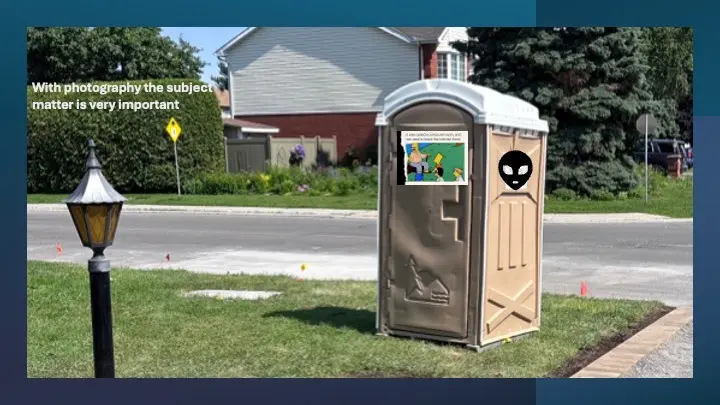
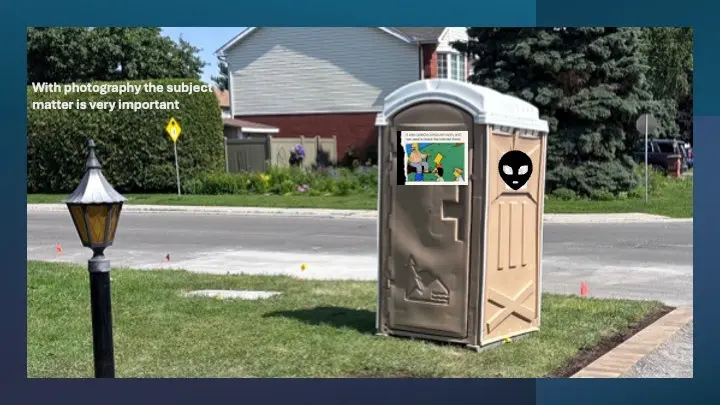
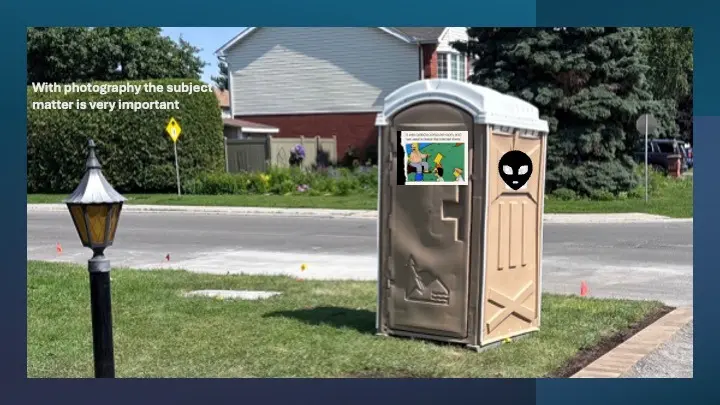
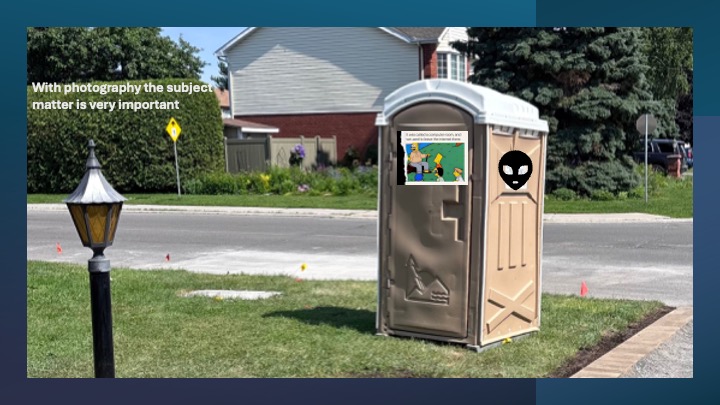
Amidst these shifts in daily routine, creative pursuits have taken on a renewed focus. The ongoing goal to dedicate more time and energy to photographic work is progressing favorably, providing a structured and engaging outlet for observation and artistic expression. Whether exploring new subject matter or refining technical skills, photography offers a meaningful way to document the world during this transitional chapter of life.
Previous Labour Days
Reflecting on past Labour Days offers a broader perspective on how both society and personal lives evolve over time. From year to year, the external headlines shift—moving from labor strikes and economic policy debates to technological disruptions and shifting trade policies—while the core meaning of the holiday remains rooted in the dignity of work. On a personal level, looking back at previous observances highlights the gradual passage of time, contrasting past routines of active employment with the current rhythm of retirement, creative exploration, and domestic adjustment. As the holiday concludes and autumn officially takes hold, the focus returns to navigating the present economic climate, pursuing creative endeavors, and adapting to the continuous flow of life’s changes.