





As the calendar turns to the first Monday of September 2026, communities across the region pause to observe Labour Day—a traditional tribute dedicated to honoring the contributions, resilience, and hard work of the labor force. Yet, the atmosphere surrounding this year’s holiday is tempered by shifting economic currents, global uncertainties, and the stark realities of modern capitalism.
Observing the holiday invites a deeper contemplation of how work, commerce, and society intersect in the current economic landscape. Reflecting on the state of contemporary labor brings to mind historical critiques, such as the observations articulated by Karl Marx in Das Kapital: "Centralization of the means of production and socialization of labor at last reach a point where they become incompatible with their capitalist integument." More than a century after these words were penned, the structural tensions within modern economic systems remain a subject of intense discussion among observers and everyday citizens alike.
In the year 2026, capitalism often appears to function less as a mechanism for broad prosperity and increasingly as an environment vulnerable to high-level systemic corruption. For many observers, the hope remains that the socio-economic pendulum will soon swing back toward greater equity, transparency, and accountability. Adding to these domestic and systemic concerns are the lingering ripples of international friction, marked by an ongoing global trade war and concurrent geopolitical conflicts. Analysts note that these macro-level disruptions are leaving deep economic and social marks that will likely influence labor markets, supply chains, and consumer costs for years to come.
Beyond the broader macroeconomic commentary, Labour Day traditionally serves a distinct cultural purpose in the rhythm of the calendar year: it marks the definitive, symbolic end of the summer season. Even as the final warm weekends of the year wind down, the commercial landscape wastes no time pivoting toward the end-of-year holidays. For anyone requiring convincing evidence of this rapid seasonal transition, a brief trip to a local Costco provides an immediate reminder, where holiday merchandise and festive displays have already made their appearance, signaling the unofficial beginning of the extended Christmas season well before the autumn leaves have even begun to turn.
For individuals navigating personal milestones, the holiday also offers a natural moment for introspection. The author’s ongoing "Retirement Journey," now well underway through 2026, continues to unfold as a profound learning experience. Transitioning out of the traditional workforce brings a unique set of psychological and lifestyle adjustments. While retirement yields an abundance of creative ideas and potential projects, it does not always provide the immediate or sustained urge required to execute them. Furthermore, domestic dynamics have introduced an unexpected twist to the transition: after initial plans for a joint departure from the workforce, a spouse has decided to un-retire—or more accurately, elected not to retire at all—leaving the author to navigate this new chapter as a solo traveler for the foreseeable future.
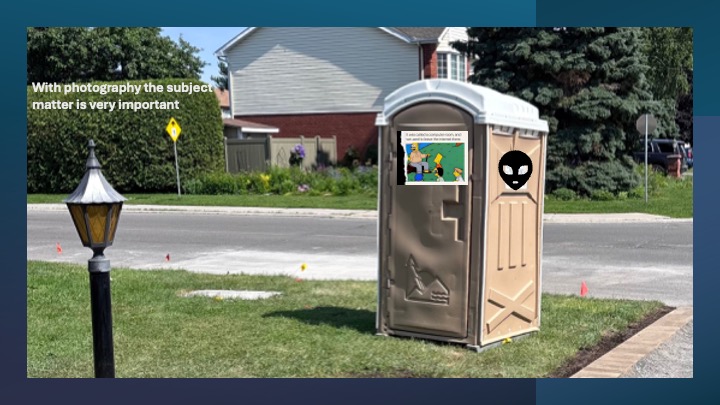
Amidst these adjustments, personal goals and creative outlets have taken center stage. Chief among these is a renewed commitment to expanding photographic work. Capturing visual subjects and refining photographic techniques has become a primary focus of daily life during retirement, offering a tangible way to channel creative energy. Whether documenting everyday scenes or exploring new subject matter through the lens, photography provides a steady, engaging pursuit that bridges the gap between leisure and active creation.
As Labour Day 2026 draws to a close, it leaves behind a complex tapestry of thoughts—spanning from the macro-level critique of global trade and corporate governance to the seasonal shift toward the winter holidays and the deeply personal, evolving reality of navigating retirement. Looking back at previous Labour Days offers a sense of historical continuity, reminding communities that while economic structures, personal routines, and global landscapes continually shift, the fundamental value of labor and the human desire for meaningful pursuits remain constants through the decades.