

As the calendar turns to the first Monday of September in 2026, communities across the region pause to observe Labour Day—a traditional tribute dedicated to the social and economic achievements of workers. Yet, this year’s holiday arrives against a backdrop of broader economic anxiety, shifting cultural milestones, and personal transitions. The juxtaposition of honoring the workforce while observing the contemporary state of global economics offers a unique lens through which to view the current socio-economic climate.
The significance of the day remains deeply rooted in the history of labor rights, prompting observers to revisit classical critiques of economic structures. Among the most enduring is the observation articulated by Karl Marx in Das Kapital: "Centralization of the means of production and socialization of labor at last reach a point where they become incompatible with their capitalist integument."
Applying such historical theory to the modern landscape reveals persistent structural tensions. Observers note that capitalism in 2026 frequently appears to function as an institutional framework accommodating high-level corporate corruption and widening economic divides. For many, the hope remains that the socio-economic pendulum will soon swing back toward greater equity and accountability. Compounding these domestic and systemic concerns are the lingering and evolving impacts of an ongoing global trade war, alongside concurrent geopolitical conflicts, which economists warn will leave structural and financial marks on international markets for years to come.
Beyond the realm of macroeconomic critique, Labour Day traditionally serves a dual cultural purpose in the public consciousness. On one hand, it honors the contributions of the labor force; on the other hand, it functions as an informal demarcation line symbolizing the definitive end of the summer season.
For retail observers and consumers alike, the holiday also marks the unofficial starting gun for the winter holiday shopping cycle, heralding the arrival of the Christmas season. Those requiring tangible proof of this commercial shift need look no further than local big-box retailers, where holiday inventory has already begun appearing on shelves alongside end-of-summer clearances, most notably at regional Costco warehouses.
Against this broader societal backdrop, individuals are navigating their own localized economic and lifestyle shifts. For many, the post-labor phase of life—retirement—presents an entirely new set of questions regarding productivity, purpose, and daily routines.
The transition into retirement often unfolds as a continuous learning experience rather than a singular event. While the initial departure from the workforce is frequently imagined as a time for unbridled creativity and the pursuit of long-held ambitions, the reality often involves a more measured adjustment. Ideas for various projects and pursuits may be plentiful, yet the immediate internal drive or urgency to execute them can fluctuate significantly.
Complicating these personal milestones are the unpredictable dynamics of household partnerships during retirement age. While one partner may step away from formal employment to explore new rhythms, domestic realities can shift rapidly. In many households, plans for a joint retirement are adjusted when one partner decides to re-enter the workforce or chooses not to retire at all, altering the daily routine and requiring individuals to navigate their post-work journeys independently for a longer period than initially anticipated.
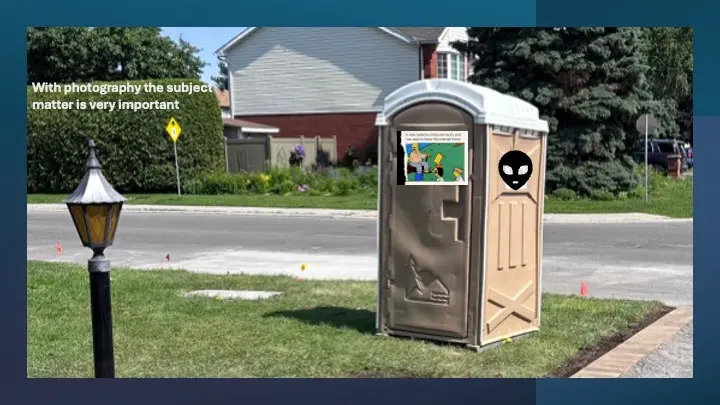
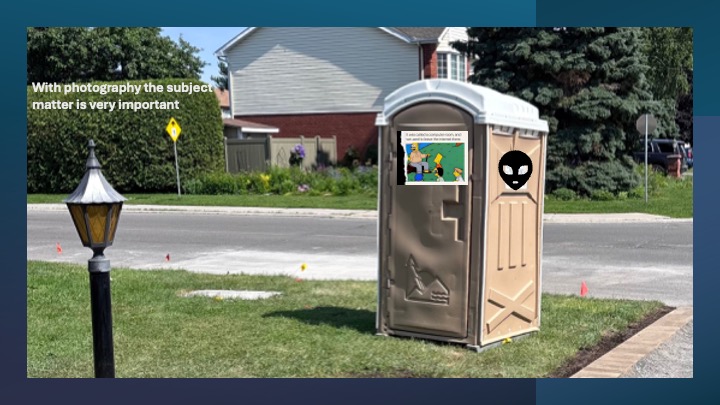
Navigating these transitional phases often involves redirecting time and energy toward long-neglected creative outlets. For many retirees, visual arts and photography offer a tangible way to engage with the world without the pressures of a traditional career.
Efforts to expand photographic portfolios and refine technical skills have taken on a central role in daily routines. Rather than rushing into major commercial projects, current photographic work often focuses on exploring unique subject matter, experimenting with perspective, and documenting the immediate environment. These creative endeavors provide a structured yet flexible outlet, serving as a productive way to anchor the day-to-day experience of post-work life while continuing to observe the world through a distinct artistic lens.