




As communities across the country pause to celebrate Labour Day, the annual holiday arrives this year under a complex umbrella of economic strain, shifting global geopolitics, and personal transitions. Officially dedicated to honoring the contributions and achievements of workers, the holiday serves as a moment of both recognition and critical reflection on the state of modern labor and the broader economic systems governing daily life.
The mood surrounding this year’s observance is inevitably shaped by the realities of the global economic landscape. Observers of modern capitalism note that the system frequently appears strained, with high-level corporate corruption dominating headlines and raising questions about wealth distribution and accountability. Such systemic pressures bring to mind historical critiques of industrial economics, such as the observations made by Karl Marx in Das Kapital, where he wrote about the centralization of the means of production and the socialization of labor eventually reaching a threshold of incompatibility with traditional capitalist structures. While economic theories span a wide spectrum, the immediate concerns for many workers and analysts today center on the longevity of these economic models and the hope that a more equitable balance will soon emerge.
Compounding these domestic economic concerns are the profound ripple effects of international tensions. The ongoing global trade wars and associated geopolitical conflicts continue to cast a long shadow over supply chains, consumer prices, and job security. Analysts widely agree that the fractures caused by these trade disputes and international confrontations will leave lasting marks on the global economy for years to come, influencing everything from manufacturing costs to employment stability.
Beyond the macroeconomic sphere, Labour Day traditionally marks a significant cultural and seasonal turning point. For many, the holiday symbolizes the unofficial end of summer—the closing chapter of warm weather, outdoor gatherings, and vacation season. Yet, commercial calendars have long since accelerated this transition. For anyone requiring immediate proof of the rapid march of the retail calendar, a brief visit to a local warehouse club like Costco provides an unmistakable reminder that the holiday season is already encroaching, with festive displays and holiday merchandise appearing months ahead of December.
Retirement Writings So Far in 2026
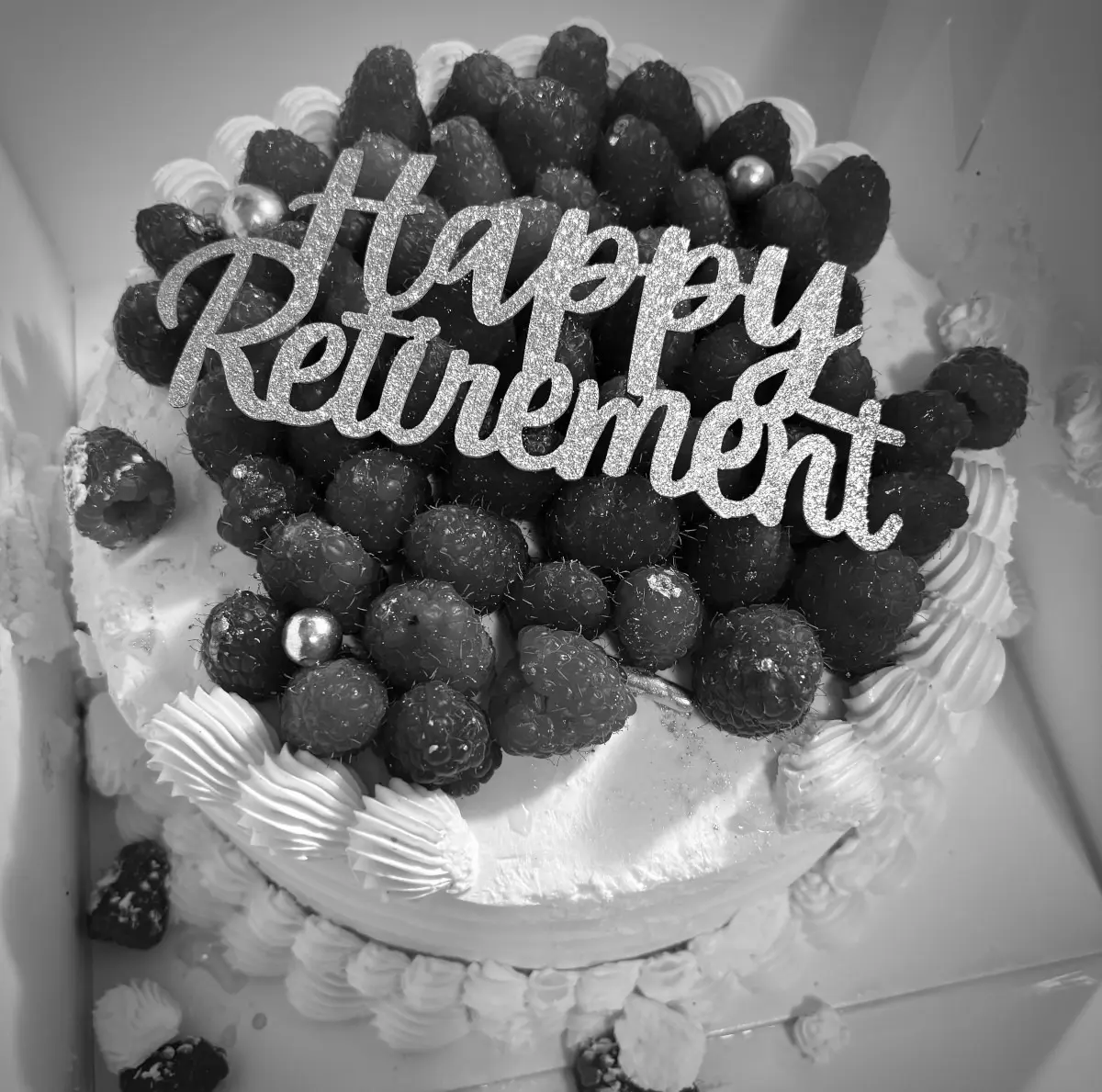
For individuals navigating life transitions away from the traditional workforce, Labour Day also prompts personal reflection. The ongoing experience of what has been termed the "Retirement Journey" offers a unique window into how personal identity shifts after decades of employment. Entering this phase of life continues to be a continuous learning experience, characterized by an abundance of creative ideas balanced against a notable absence of immediate urgency to execute them.

Interestingly, household dynamics often play a major role in shaping these retirement years. While one partner may embrace the slower pace of stepping away from daily employment, family plans can evolve unexpectedly. In many households, retirement is not a synchronized event. A spouse deciding to unretire—or perhaps more accurately, choosing to continue working—can significantly alter the day-to-day rhythm of domestic life, ensuring that the retirement journey remains a solo expedition for a little while longer.
Amid these adjustments in schedule and routine, personal creative pursuits often take center stage. For many retirees, having the flexibility to dedicate more time to long-held hobbies provides a renewed sense of purpose. In particular, the pursuit of photographic work has taken on a more prominent role, offering an outlet for creative expression and a way to document the surrounding world. Whether experimenting with unconventional subject matter or simply capturing daily observations through a lens, the transition provides ample space to focus on artistic development.
Previous Labour Days
Looking back at previous Labour Days highlights how much the cultural and economic context of the holiday can shift from one year to the next. In earlier years, discussions surrounding the holiday frequently focused on post-pandemic economic recoveries, local labor organizing, and the gradual return to traditional office environments. Over time, the conversations have evolved to encompass larger systemic challenges, including automation, international trade disputes, and the shifting definitions of work and retirement in a rapidly changing world.
As the holiday draws to a close and individuals prepare to return to their respective routines—whether that involves navigating the modern corporate landscape, managing personal retirement projects, or preparing for the changing seasons—Labour Day remains a vital anchor point for evaluating both societal progress and personal direction.