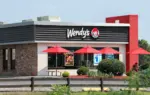




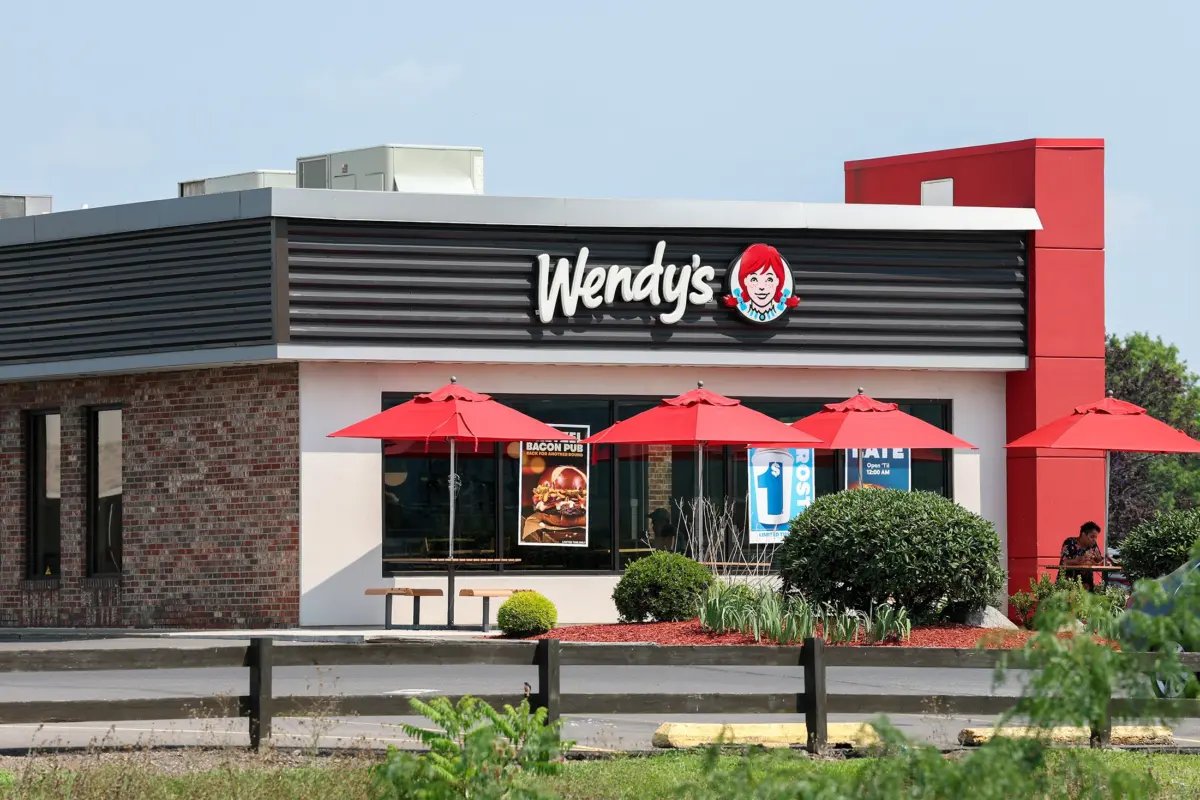
Wendy’s is drawing a hard line against activist investor Nelson Peltz, making it clear that the iconic fast-food burger chain is not for sale on terms it considers deeply discounted. In a decisive move that underscores the board’s confidence in the company’s standalone future, Wendy’s independent directors have unanimously rejected Peltz’s unsolicited $1.4 billion buyout offer. According to the Associated Press, the board firmly concluded that the acquisition proposal substantially undervalues the company and fails to reflect its true underlying market value and long-term earnings potential.
The rejection of the multi-billion-dollar bid is only the opening salvo in what is shaping up to be a high-stakes corporate governance battle. Alongside the rejection, Wendy’s leadership took aggressive defensive action by adopting a shareholder rights plan, widely known in financial and corporate circles as a "poison pill." This classic defensive maneuver is explicitly designed to deter a hostile takeover by making any unapproved accumulation of a controlling stake prohibitively expensive and dilutive for the aggressor.
Under the terms of the newly enacted shareholder rights plan, if any individual, entity, or coordinated group manages to acquire a 15% stake in the company without board approval, every other non-offending shareholder is granted the extraordinary right to purchase discounted stock in the company. This mechanism effectively floods the market with new shares, instantly diluting the hostile investor’s voting power and financial stake, thereby neutralizing their leverage. The poison pill will remain firmly in place for a duration of one year, giving Wendy’s executive team and board a critical window of stability to execute their strategic plans without the immediate pressure of an unwanted buyout hanging over their heads.
The tension between Wendy’s board and Peltz centers on the formidable presence of Trian Fund Management. Peltz’s investment firm and its closely aligned partners already command a substantial 16.3% stake in Wendy’s, placing them comfortably above the newly minted 15% threshold. Because Trian’s existing holdings predate the implementation of the poison pill, the plan does not instantly trigger against their current shares, but it effectively locks them out of quietly increasing their position or mounting a stealth accumulation campaign to force a buyout without negotiating directly with the board.
Peltz and his supporters have framed the buyout bid as a pragmatic and necessary intervention given the unforgiving macroeconomic climate. The veteran activist investor argues that mounting inflationary pressures, increasingly squeezed and budget-conscious consumers, and an intensely competitive fast-food landscape make a private buyout under his firm’s guidance the absolute best path forward for shareholders. In Peltz’s view, taking the company private would shield it from the relentless scrutiny of the public markets and allow for a sweeping operational overhaul away from the quarterly earnings goldfish bowl.
However, Wendy’s leadership vehemently disagrees with that assessment, pointing to fresh leadership and tangible operational momentum as proof that the company can weather the storm on its own terms. CEO Bob Wright, who took the reins at Wendy’s after leaving his post at Potbelly, has been working aggressively to reassure investors and stakeholders that the burger chain is on the right track. Wright recently told investors that Wendy’s possesses precisely the right strategy, the necessary operational execution, and the requisite financial resources to turn things around and deliver robust, sustainable growth from within.
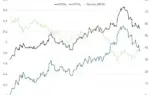
That narrative of resilience received a welcome boost when Wendy’s shares rose more than 2% following the release of better-than-expected third-quarter financial results. The positive market reaction served as a timely vindication for the board’s decision to rebuff Peltz, providing tangible evidence that the company’s core business operations continue to resonate with consumers despite broader economic headwinds. Management hopes that these improving financial metrics will convince skeptical shareholders to back the current executive team rather than roll the dice on a private equity-style buyout.
At the same time, Wendy’s is not simply standing pat; management is aggressively trimming the fat and restructuring its physical footprint to optimize profitability and modernize operations. As part of its broader strategic realignment, the company plans to permanently close up to 358 older, underperforming U.S. restaurants over the course of the year. By shedding these legacy locations, Wendy’s aims to redirect capital toward higher-performing assets, drive digital sales growth, and improve average unit volumes across the remaining franchise and corporate system.
These operational adjustments come at a crucial time for the brand as it battles for market share in an increasingly crowded American burger market. Data from industry research firm Technomic reveals that Wendy’s share of U.S. burger chain sales slipped from 11.5% in 2019 down to 10.4% last year. While the decline highlights the stiff competition the chain faces from both legacy quick-service giants and fast-growing
regional upstarts, Wendy’s leadership believes that a disciplined approach to store optimization, combined with strong marketing and menu innovation, will help reverse the slide and recapture lost ground in the years ahead.