


Originally written as a critical look at media trends, the conversation surrounding "Blue Monday" has evolved over more than a decade, transforming from a quirky public relations gimmick into a symbol of genuine post-holiday anxiety. While the idea of a mathematically calculated "most depressing day of the year" has been thoroughly debunked by psychologists, scientists, and financial analysts alike, the underlying sentiment remains stubbornly relevant. January continues to present a formidable mix of emotional and financial hurdles, driven by higher debt loads, rising costs of living, and the seemingly endless stretch of dark, cold winter days.
Christmas Financial Hangovers
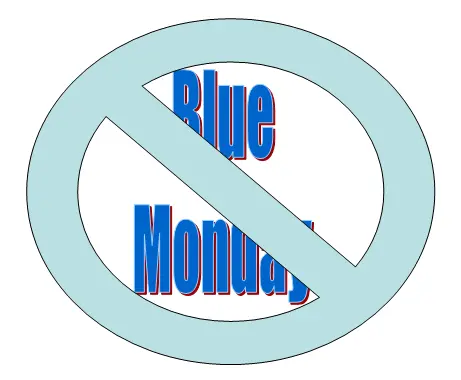
It often seems that news services and media outlets have very little hard news to report during the quiet lull of January, leaving room for a plethora of seasonal fluff pieces. Among the most persistent of these recurring media tropes is the concept of Blue Monday.
To any longtime sports fan in Montreal, particularly those who remember the heartbreak of the 1981 baseball season, "Blue Monday" evokes an entirely different kind of misery. It marks the painful fifth and final game of the National League Championship Series, where the Montreal Expos lost a heartbreaking pennant race due to a late-game home run hit by Los Angeles Dodgers outfielder Rick Monday. To music lovers, the phrase might conjure memories of a classic Fats Domino tune or the iconic new wave anthem by New Order. Yet, none of these cultural touchstones are what modern lifestyle reporters and travel agencies typically mean when they bring up the term at the start of the year.
The Blue Monday Equation
As with all successful pieces of media fluff and internet-driven misinformation, the modern concept of Blue Monday did not emerge from rigorous psychological research. Instead, it originated as a calculated public relations campaign launched by Sky Travel, a defunct British holiday company. To give the PR stunt an air of scientific legitimacy, the company published a study attributed to Cliff Arnall, a former part-time tutor at Cardiff University.

Arnall devised a pseudoscientific equation intended to calculate the most depressing day of the year by factoring in variables such as weather conditions, debt levels, time elapsed since Christmas, low motivational levels, and the pressing need to take action. According to this formula, the emotional low point of the entire year conveniently lands on the Monday of the last full week in January. The underlying marketing message was clear and transparent: if you are feeling miserable, the obvious solution is to book an expensive sun-soaked holiday through Sky Travel to beat the winter blues. Naturally, a healthy dose of cynicism is required when evaluating equations that conveniently prescribe a commercial product as the antidote to a manufactured condition.
Despite the complex piece of pseudo-mathematics behind it, the concept resonates with the public because it taps into very real seasonal grievances. Among the variables in Arnall’s equation is a lowercase "d," representing debt. Anyone managing household budgets knows intimately how Christmas financial hangovers can cast a long shadow over January, sometimes threatening financial stability well beyond the winter months.
By this point in the calendar year, the reality of holiday spending begins to hit home as credit card statements arrive in the mail. Consumers across the country open their bills to realize they have significantly overspent during the festive season. Funds that were previously earmarked for essential household expenses or savings must now be diverted toward clearing accumulated holiday balances. Worse still, many realize they cannot simply pay off the balance in a single lump sum, forcing them to construct a disciplined debt-repayment schedule to address their new financial liabilities.
Do You Have a Large Christmas Debt Hangover?
The convergence of steep credit card statements, plummeting temperatures, and dwindling daylight hours creates a potent cocktail of seasonal stress. Consumers are repeatedly warned to beware of Blue Monday and the emotional traps it represents, ensuring they are not caught unawares by the sudden arrival of post-holiday bills. And for baseball enthusiasts still nursing decades-old grudges, the mention of the day remains inextricably linked to Rick Monday and his fateful swing in 1981.

Blue Monday Redux
Ultimately, Blue Monday works as a durable media concept because it piggybacks on existing, undeniable seasonal trends. January is undeniably cold, dark, and socially subdued across much of the Northern Hemisphere. When you combine harsh weather with post-holiday spending regret, looming credit card bills, and the psychological impact of shortened days, people hardly require a dubious academic equation to feel thoroughly exhausted and financially stretched.
The media version of Blue Monday encourages consumers to escape their troubles by booking an expensive vacation. The harsh financial reality, by contrast, demands that individuals open their statements, wince at the totals, and begin the unglamorous work of fixing the damage. Opening bills and cutting back discretionary spending lacks the marketing appeal of a tropical getaway, but it remains vastly more useful for long-term financial health.
The reassuring news is that the heavy emotional and financial strain of January is ultimately temporary. The long-term damage of ignoring those responsibilities, however, is not. As financial commentators frequently observe, Blue Monday math is about as rigorous as horoscope investing, yet the bills piling up on the kitchen table are entirely real. Whether one remembers the day through the lens of baseball heartbreak, musical history, or simply the arrival of post-holiday credit card statements, the best antidote to January stress remains pragmatic financial management rather than magical thinking.