


The U.S. Commodity Futures Trading Commission (CFTC) has taken its most definitive step yet to establish exclusive federal authority over prediction markets, issuing a new set of rules designed to legally anchor event contracts as "swaps."
The dual regulatory move, unveiled on Friday, includes an interim final rule that explicitly carves out traditional casino-style gambling from the federal definition of a swap, alongside a related proposed rule that firmly integrates event contracts—including those tied to sports, politics, culture, and weather—into the existing framework of CFTC oversight. By defining these instruments as swaps, the federal derivatives regulator aims to place them squarely within its jurisdiction and explicitly beyond the reach of state gambling regulators.
The action represents a major escalation in the ongoing jurisdictional turf war between federal regulators, state authorities, and tribal gaming operators. For months, several states have been embroiled in legal battles with platforms like Kalshi and Polymarket, accusing them of operating illegal gambling hubs under the guise of federally regulated financial exchanges.
A Two-Pronged Regulatory Approach
Under the agency’s newly unveiled strategy, the CFTC is pursuing a two-pronged approach to solidify its regulatory perimeter.
The first part of the strategy involves an "interim final" rule, meaning it takes effect immediately as official agency policy while simultaneously opening a window for public feedback during its implementation phase. This rule attempts to clearly delineate the boundaries of federal jurisdiction by specifying the precise types of sports wagering that do not constitute swaps. By explicitly stating that traditional, casino-style gambling and conventional sportsbooks fall outside the federal swap definition, the agency hopes to defuse arguments from state regulators that the CFTC’s expansive interpretations would inadvertently invalidate state and tribal gaming laws.
The second part of the strategy is a related rule proposal that seeks to formally and explicitly fold event contracts into the U.S. regulatory regime for swaps. This proposal covers contracts based on a wide array of real-world outcomes, such as elections, cultural phenomena, weather patterns, and athletic competitions—the exact types of contracts routinely traded on platforms like Kalshi and Polymarket. Unlike the interim final rule, this proposal is currently in the early rulemaking stage, backed by a relatively brief 30-day public comment period.
These regulatory measures moved through the pipeline with notable speed, having been submitted for White House review less than two weeks prior to their public release.
The Legal Battleground and Supreme Court Stakes
The CFTC’s aggressive posture comes as federal courts remain deeply divided over who holds authority over event-based contracts. In recent months, federal appellate courts have issued conflicting decisions. While some rulings have leaned in favor of federal preemption and CFTC oversight, others have upheld the authority of states to regulate sports-based event contracts within their borders.
The overarching dispute has already attracted the attention of the highest court in the nation. Several states, joined by former federal officials who helped draft the original legislative frameworks governing derivatives and gambling, have submitted formal legal briefs to the U.S. Supreme Court, which has been asked to definitively resolve the jurisdictional conflict.
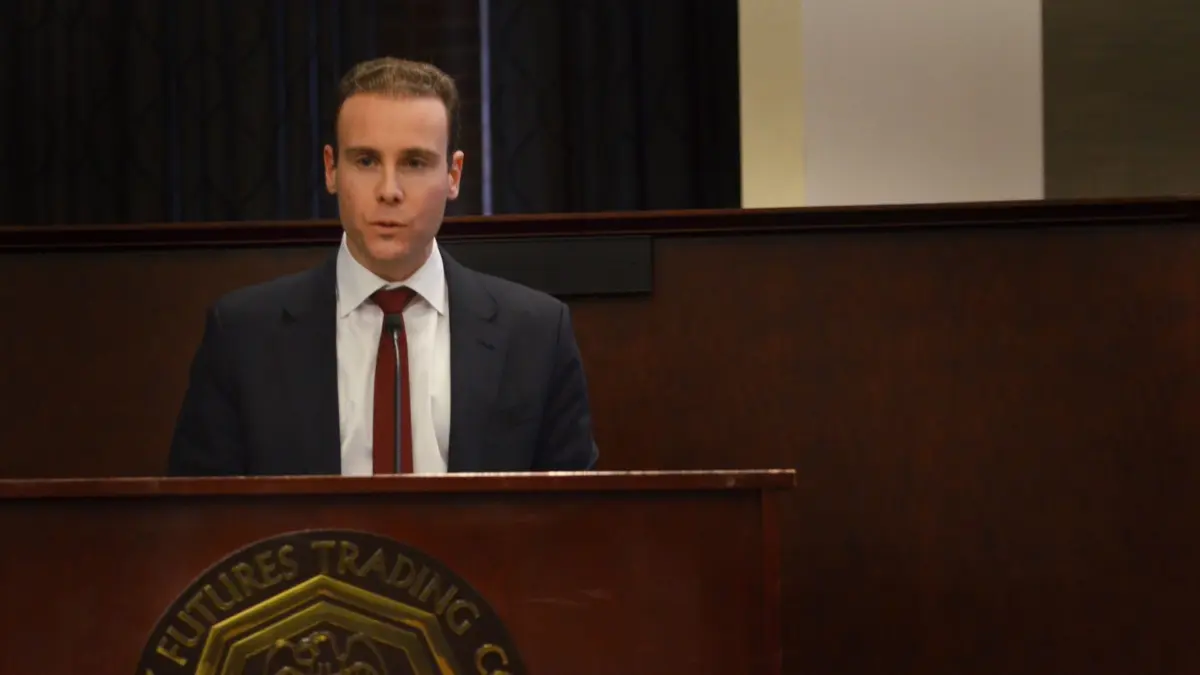
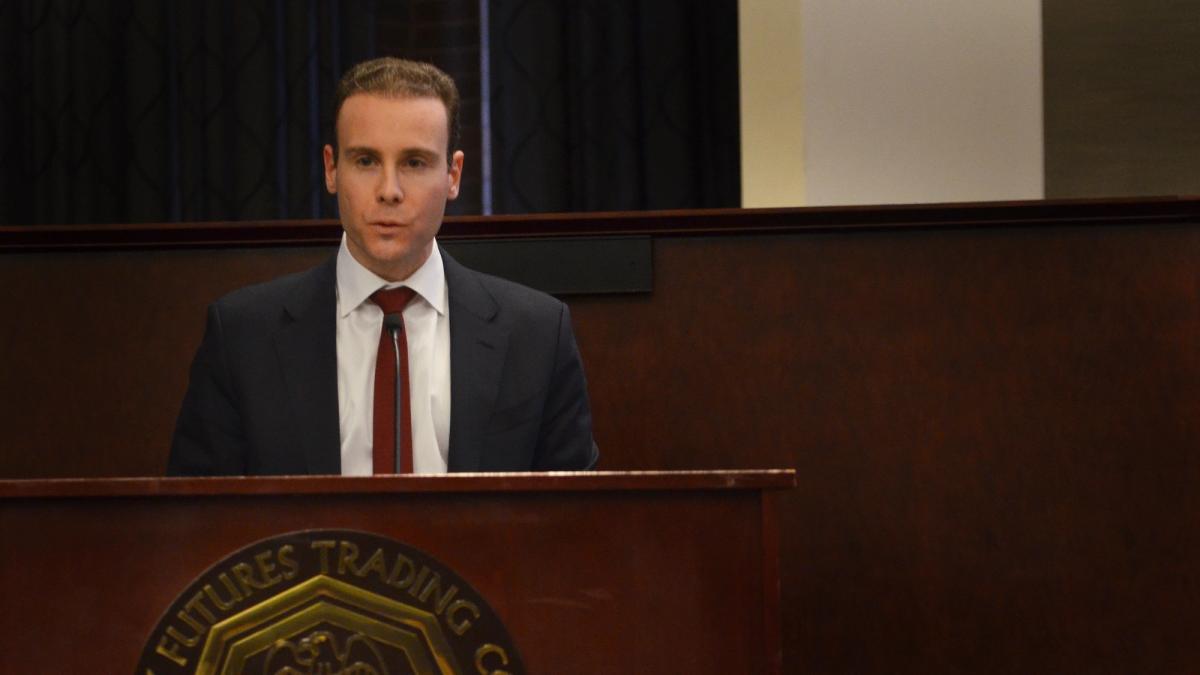
Industry observers note that the rapid rollout of these rules is calculated to bolster the agency’s litigating position. By formalizing its interpretation through agency rulemaking, the CFTC can demonstrate to the judiciary that it is actively executing a coherent regulatory vision under the leadership of Chairman Mike Selig.
"We view this interim final rule as designed to improve the agency’s position in court as the states are arguing that the CFTC’s definition of a swap would make federally illegal any wager made at a state or tribal casino or sportsbook," wrote Jaret Seiberg, a policy analyst at TD Cowen, in a note to clients on Friday. "Whether this actually works is a different question."
Alignment with Prediction Market Platforms
For prediction market operators like Kalshi, the CFTC’s actions align closely with their corporate goals. These platforms have consistently advocated for single-regulator oversight, arguing that federal supervision by the CFTC is more appropriate for financialized event contracts than a patchwork of state-level gaming regulations that vary significantly across the country.
The regulatory push is also unfolding against the backdrop of unusual political dynamics within federal oversight bodies. CFTC Chairman Mike Selig currently operates as the sole commissioner on a panel that is structurally designed to feature a five-member commission. President Donald Trump has thus far declined to nominate additional commissioners to fill the remaining vacancies at the agency.
A similar concentration of authority has emerged at the Securities and Exchange Commission (SEC), where the five-member commission is currently operating with only two members. The Trump administration has pursued a concerted strategy to reshape independent federal regulatory agencies by limiting or removing Democratic commissioners and operating with lean leadership teams.
As the 30-day public comment period for the proposed rule gets underway, the debate over the future of prediction markets shifts deeper into both the administrative and judicial arenas. Whether the CFTC’s formal classification of event contracts as swaps will successfully preempt state gambling enforcement remains to be tested in the courts, but the agency has firmly signaled that it intends to defend its turf.