


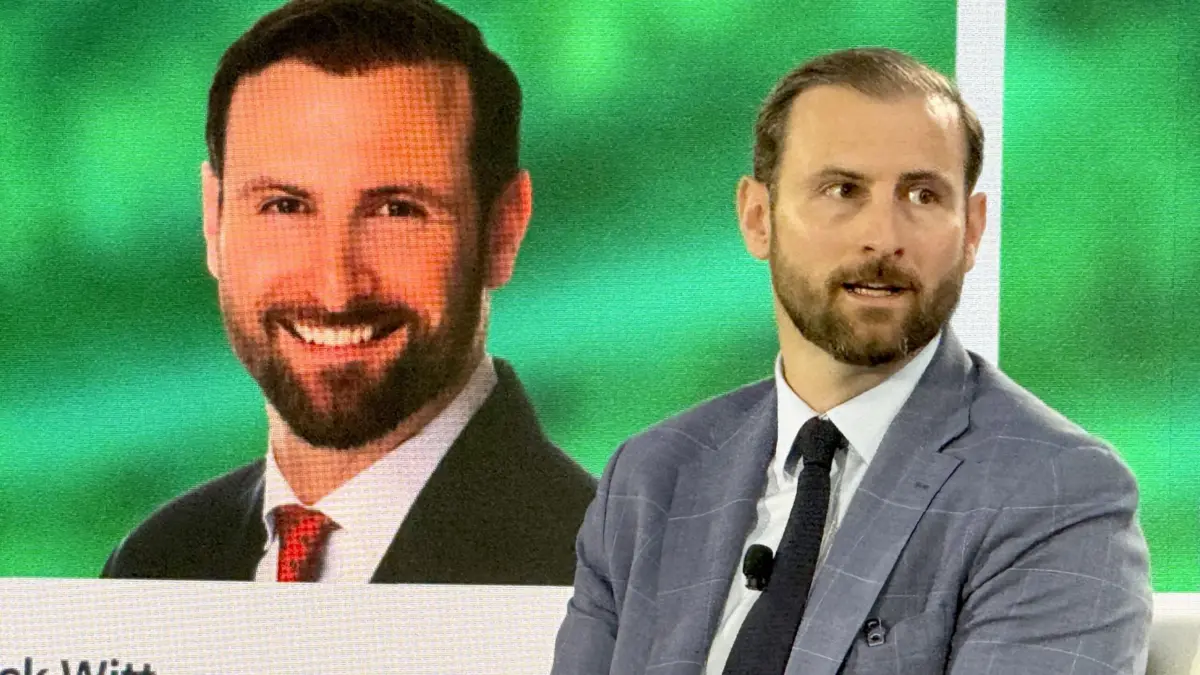
The departure of President Donald Trump’s final crypto adviser, Patrick Witt, has left the White House digital assets office entirely vacant and cast a shadow of uncertainty over the administration’s broader policy goals for the sector.
When President Trump returned to the White House last year, he decisively shed his earlier public skepticism toward cryptocurrency technology, embracing the burgeoning industry through high-profile staffing appointments and the creation of the President’s Council of Advisors for Digital Assets. Nearly two years later, that high-level policy momentum has slowed significantly. The exit of Witt marks the end of an era for the dedicated in-house crypto team, especially as recent administrative restructuring—such as the appointment of a new artificial intelligence chief—appears to have dropped the digital asset remit from the portfolio entirely.
The lack of a named successor has left industry insiders questioning who is currently minding the store for crypto policy at the executive level. This vacuum persists even as a handful of lawmakers on Capitol Hill continue to suggest that the final weeks of the congressional session following the November elections might still yield legislative opportunities for the digital asset industry. While the White House retains a broad staff of policy advisers, and the administration maintains active regulatory initiatives across federal agencies like the Securities and Exchange Commission, no new official has been explicitly tasked with steering Trump’s in-house crypto agenda.
A White House official confirmed Witt’s departure, expressing appreciation for his service and wishing him success in his future endeavors, though declining to comment on who might take over the portfolio. Nevertheless, the official reiterated that the "Crypto and Clarity Act will continue to be a priority for the president."
The Rise and Evolution of White House Crypto Policy
The White House’s digital assets policy apparatus was never structured as a massive bureaucracy, but its key advisers operated as vocal advocates capable of stamping the administration’s overarching goals with vital administrative authority. The initiative began to take shape several weeks before Trump’s return to office in January 2025, when the president-elect appointed former PayPal executive David Sacks as his incoming AI and crypto czar.
To lead the newly formed digital assets advisory council, Trump tapped Bo Hines, a relatively unknown former college football player. Initially operating as a solo enterprise before eventually adding a deputy, Hines rapidly emerged as the definitive public face of crypto within the White House. He maintained a relentless schedule of meetings with industry insiders and made frequent appearances at high-profile sector events.
Hines’ tenure, which lasted roughly eight months, culminated in a major legislative victory for the industry: the successful passage of the Guiding and Establishing National Innovation for U.S. Stablecoins (GENIUS) Act into law.
The legislative milestone was followed by a high-profile White House signing ceremony and celebration, where many of the most prominent figures in the cryptocurrency space occupied front-row seats. Less than two weeks later, the administration unveiled a comprehensive crypto agenda designed to solidify American leadership in digital financial technology.
Having successfully ushered in foundational federal legislation for stablecoin issuers, Hines departed the administration to run the U.S. operations of Tether, the industry’s leading stablecoin issuer. Around the same time, a consulting firm called Nxum—which Hines had established alongside his father and another partner—was revealed to have received millions of dollars as the primary service provider for a newly formed political action committee. Reporting by CoinDesk and subsequent investigations by outlets like The Wall Street Journal detailed how the super PAC was primarily funded by Cantor Fitzgerald, Tether’s U.S. financial partner, and led by a Tether executive, drawing scrutiny over consulting payments made by Tether to Nxum while Hines was still working on the GENIUS Act inside the White House.
Legislative Hurdles and the Exit of Patrick Witt
Following Hines’ departure, his deputy on the advisory council, Patrick Witt, stepped up to serve as the new executive director. Like his predecessor, Witt was a former football player, but he brought a deeper background in Washington politics and policy to the role.
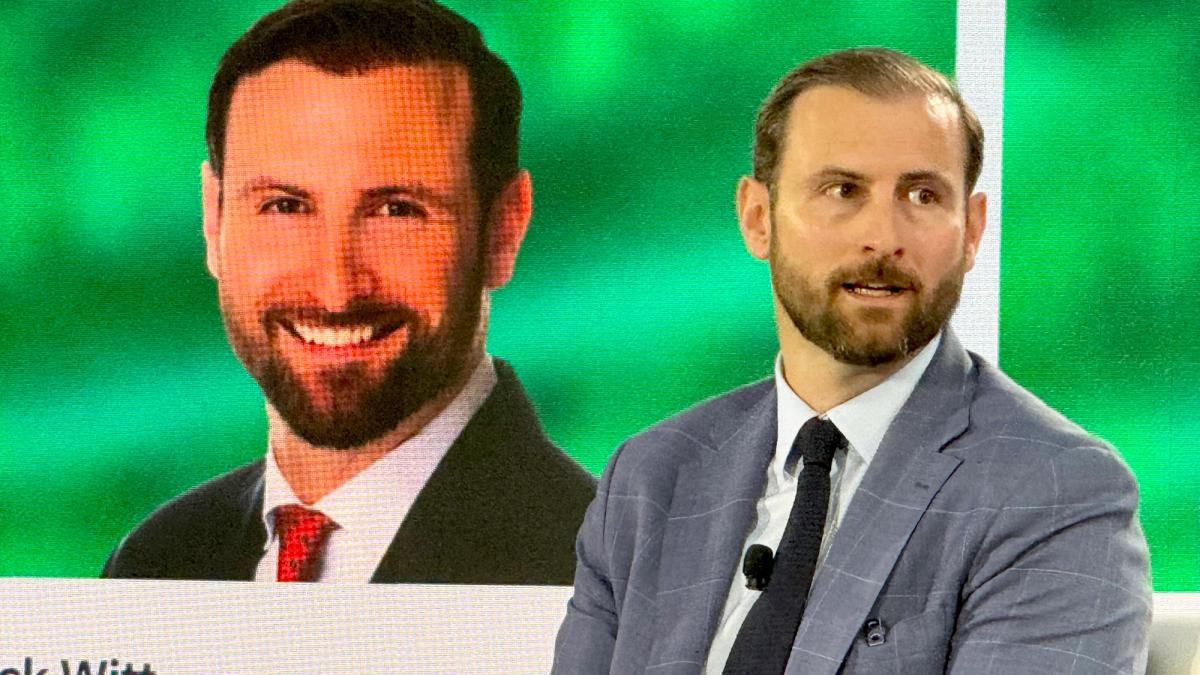
Witt quickly became the primary administrative champion for the Digital Asset Market Clarity Act, which aimed to establish a comprehensive U.S. regulatory framework for crypto markets. As months of tense legislative negotiations wore on, Witt made little effort to conceal his frustration with the political roadblocks. He regularly utilized the social media platform X to criticize political actors and lawmakers whom he believed were obstructing the Senate bill designed to bring regulatory clarity to digital asset markets.
The legislative landscape grew increasingly complex as the year progressed toward the elections. In March, David Sacks stepped down from his position as AI and crypto czar, leaving Witt and his deputy, Harry Jung, to shoulder the administration’s crypto portfolio alone. Compounding these challenges, President Trump’s own burgeoning commercial crypto ventures featured prominently in congressional debates, with Democratic lawmakers demanding strict ethics constraints to block senior government officials from holding personal cryptocurrency ties.
As negotiations dragged on, the White House floated potential concessions that would have imposed unprecedented ethics limitations on the president’s digital asset involvement. However, congressional Democrats ultimately concluded that the proposed agreements fell short of necessary safeguards.
Witt had previously confirmed in July that he faced impending military service commitments with the Georgia National Guard. Despite this, he chose to remain in his post to see the Clarity Act negotiations through, even as his deputy departed to join Hines at Nxum. The legislation ultimately hit a definitive political roadblock when it failed to advance during a Senate floor vote in September, just before the chamber recessed for an extended break ahead of the upcoming elections.
Following widespread rumors regarding his status, Witt confirmed his departure in a late-night social media post on Wednesday. He expressed gratitude to the agency chiefs and lawmakers who had collaborated with him on the Clarity Act, writing that "with regulators and elected officials like you, I rest easy knowing the future of digital asset innovation in America is bright." Witt indicated that he would be transitioning back into the private sector.
Uncertainty Ahead for the Industry
For digital asset executives and market observers, the immediate future of White House policy engagement remains unclear. With the market-structure ambitions of the Clarity Act largely stalled for the moment, industry insiders admit they are uncertain who their primary point of contact will be within the administration.
The ambiguity was further highlighted earlier this month when President Trump moved to re-establish an artificial intelligence oversight role, appointing former SEC Chairman and current intelligence director Jay Clayton to lead a newly formed initiative known as the Super Intelligence Force. Notably, the resurrected oversight role omitted any mention of a crypto remit.
While artificial intelligence and cryptocurrency policy frequently overlap in technological and regulatory discussions, Clayton brings a complicated history with the digital asset sector. As head of the SEC, Clayton presided over the agency’s initial adoption of aggressive enforcement actions against digital asset firms—a strategy that the industry frequently criticized as "regulation by enforcement."
As the White House navigates the post-Witt landscape, the administration has yet to clarify how it intends to fill the leadership void in its digital assets office or whether it plans to revive its stalled legislative priorities before the conclusion of the congressional term.