




By Max Lulavy, John Lin, and Eric Liu
Few expected China to make such fast progress on clean energy. How can investors benefit?
From the haze that once blanketed Beijing’s skyline to the massive deployment of wind turbines stretching across remote mountain ranges and vast desert expanses, China’s energy landscape has undergone a staggering transformation over the past decade. For years, the global consensus viewed the world’s second-largest economy as an industrial juggernaut inextricably bound to coal, carbon emissions, and heavy fossil fuel consumption. Environmental concerns were frequently sidelined in favor of rapid, uninterrupted economic growth, leaving international observers skeptical about Beijing’s ability—or willingness—to pivot toward a sustainable future.
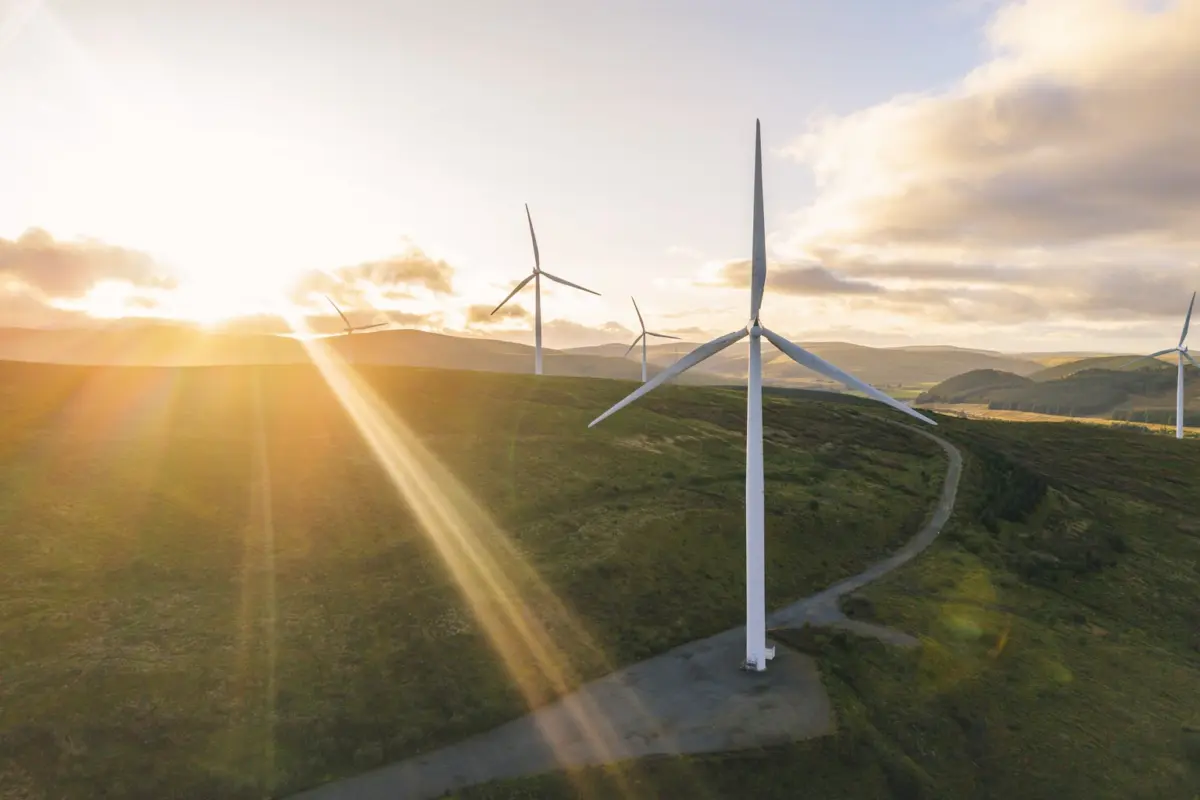
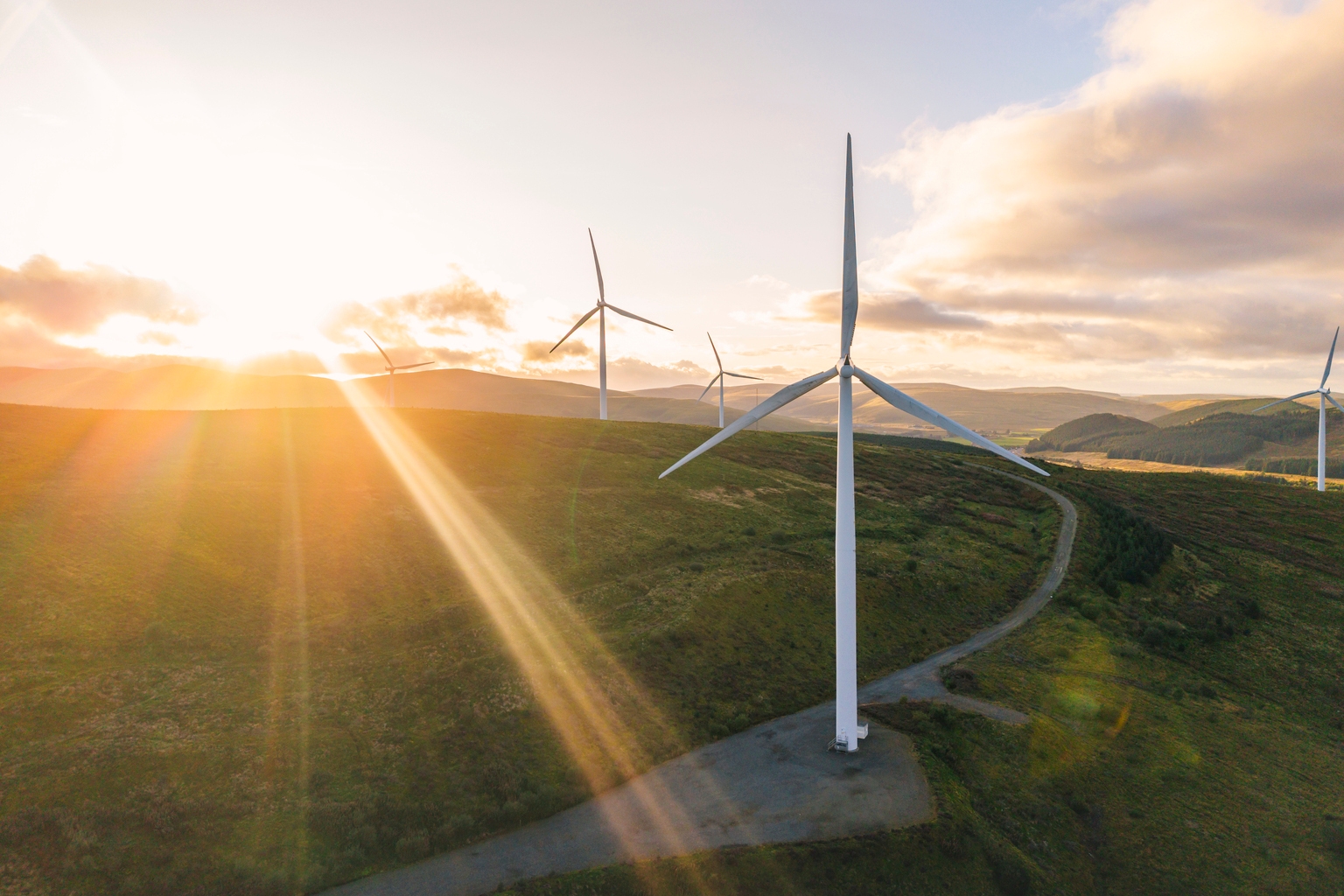
However, the reality on the ground has evolved at a pace that has caught international markets, energy analysts, and policymakers completely off guard. China has not only embraced renewable energy; it has accelerated its transition with a scale and speed that is rewriting the playbook for global climate action. Across vast geographical expanses, from the windswept Scottish-like highlands captured in early autumnal evening light to the arid stretches of western provinces, towering wind farms and sprawling photovoltaic solar arrays are springing up at an unprecedented velocity.
This monumental shift raises pressing questions for the global financial community. As the nation transitions from a symbol of industrial pollution to a dominant force in green technology manufacturing and deployment, institutional and retail investors alike are re-evaluating their portfolios. Understanding how China achieved this velocity, the underlying drivers of its renewable boom, and the pathways for capital allocation has become a critical endeavor for anyone looking to navigate the future of global energy markets.
The roots of this transformation lie in a combination of strategic state planning, technological dominance, and urgent domestic priorities. For decades, rapid urbanization and industrialization imposed severe environmental tolls on Chinese cities, triggering widespread public health concerns and mounting pressure on leadership to clean up the air. In response, Beijing integrated green energy mandates into its core economic blueprints, shifting from a reactive environmental policy to a proactive industrial strategy. By treating renewable energy not merely as an ecological necessity but as the cornerstone of future economic competitiveness, the government established a robust framework that drove massive capital investments into solar, wind, electric vehicles, and battery storage technologies.
Simultaneously, China leveraged its manufacturing might to dominate the global supply chains for green infrastructure. By scaling up domestic production facilities for polysilicon, solar panels, wind turbine components, and lithium-ion batteries, Chinese firms drove down the cost of renewable energy generation both domestically and internationally. What was once considered a costly, subsidized alternative to fossil fuels rapidly achieved grid parity, making renewables the most economically sensible choice for new power generation in many parts of the country. This manufacturing supremacy created a self-reinforcing cycle: lower costs stimulated higher demand, which in turn fueled further economies of scale and technological refinement.
For global investors, this unprecedented momentum presents a complex landscape of opportunities and challenges. On one hand, the sheer size of the Chinese market means that companies operating within its renewable ecosystem benefit from unmatched domestic demand and government backing. Firms specializing in clean tech manufacturing, grid modernization, and energy storage have experienced remarkable growth phases, attracting significant capital inflows from domestic and international funds seeking exposure to the global energy transition.
On the other hand, investing in China’s clean energy sector requires navigating a unique set of geopolitical, regulatory, and market risks. Regulatory shifts within China can materialize rapidly, altering the competitive dynamics for domestic firms and foreign investors alike. Furthermore, international trade tensions, tariffs, and protectionist measures introduced by Western economies in response to China’s export dominance add layers of complexity for global portfolios. Investors must carefully weigh the high growth potential of these green assets against the backdrop of shifting diplomatic relations and cross-border regulatory scrutiny.
Despite these hurdles, the sheer momentum of China’s renewable energy deployment suggests that the transition is irreversible. The infrastructure being built today will shape the global energy balance for decades to come, influencing international commodity prices, technological standards, and carbon reduction timelines. As financial markets continue to digest the velocity of China’s clean energy evolution, market participants are actively searching for strategic entry points that align with sustainable mandates while capitalizing on the massive economic shifts currently underway.