




Financial markets are navigating a complex and volatile landscape as a confluence of geopolitical tensions, shifting central bank expectations, and deteriorating consumer sentiment weigh heavily on investor confidence across the globe. From surging crude oil prices driven by heightened security risks in the Middle East to a sharp correction in major technology equities and softening consumer metrics in Europe, market participants are being forced to reassess foundational assumptions regarding economic resilience, inflation trajectories, and corporate profitability.
As traders and analysts digest a heavy flow of overnight developments and yesterday’s macroeconomic prints, the overarching narrative is one of heightened uncertainty. Geopolitical friction continues to exert an immediate and profound influence on commodity complexes, while regional economic indicators present a mixed picture of domestic momentum shadowed by persistent structural headwinds.
Economic and Market News
What Happened Overnight
The dominant theme in international commodity markets centers on the relentless march of crude oil prices, which have climbed significantly amid escalating geopolitical friction. Brent crude pushed towards USD 114 per barrel yesterday and extended its gains further, touching its highest level in more than five months. This upward momentum has been catalyzed by a intensification of Houthi attacks targeting infrastructure in Saudi Arabia, alongside emerging reports concerning potential renewed United States military strikes against Iranian targets.
These developments have sharply amplified concerns regarding potential disruptions to vital Middle East energy supplies. Compounding the supply-side anxiety, soaring shipping costs have swiftly emerged as a formidable secondary economic squeeze. Tanker freight rates for routes originating from the Middle East Gulf and heading toward Asian destinations have surged, climbing to over USD 37 per barrel. According to recent geopolitical reports, military planners in both the United States and Israel have reportedly prepared comprehensive operational frameworks for renewed tactical strikes following next month’s midterm elections, with Iran’s critical energy infrastructure widely viewed as a primary objective.
Meanwhile, economic data released out of Japan overnight provides fresh insight into the domestic inflationary landscape and the overall health of the world’s third-largest economy. The core consumer price index (CPI) measure preferred by the Bank of Japan—which excludes fresh food—increased to 2.1 percent in September, ticking up from 1.7 percent in August. This marks the first time this year that the metric has risen above the central bank’s crucial 2 percent target, though the print was largely in line with broad consensus expectations. Furthermore, broader price pressures are demonstrating a gradual and widening trend, with the CPI measure that excludes both fresh food and energy now resting at 2.4 percent.
Complementing the inflation figures, the latest purchasing managers’ index (PMI) releases paint a picture of a resilient and solid domestic economy. The service sector picked up notable speed during the period, offsetting a concurrent deceleration in the manufacturing sector. Despite the cooling in factories, the manufacturing industry remains on a strong footing, leaving the composite PMI unchanged at a robust 52.3. Taken together, these data points lend substantial support to the prevailing market view that the Bank of Japan will continue on its path of a cautious, gradual monetary policy normalization cycle. While the next benchmark interest rate hike is widely anticipated in December, market watchers generally expect policymakers to leave rates on hold during their upcoming meeting next week.
What Happened Yesterday
Across the euro area, incoming data underscored persistent anxieties among households, with consumer confidence falling more severely than anticipated in October. The confidence indicator slipped to -17.9, missing the consensus forecast of -17.0 and deteriorating from September’s reading of -16.8. This places the index at its lowest level since May, pointing to a potential drag on broader consumer consumption throughout the fourth quarter of the year. Nevertheless, analysts note that the predictive power of this specific metric has shown some historical divergence; for instance, the euro area witnessed decent consumption growth during the second quarter of the year despite plunging confidence levels, suggesting that consumer spending behavior may not track the survey data one-for-one in the current environment.
In Northern Europe, economic indicators from Norway presented a nuanced view of industrial activity and the labor market. The Norwegian manufacturing confidence indicator advanced to 3.4 in the third quarter, improving upon the prior reading of 2.6 and signaling that the moderate upward trend initiated late last year remains intact. The underlying details of the survey offered further encouragement, revealing that new incoming orders have reached their highest level in four years, even as domestic price pressures showed signs of easing.
At the same time, Norway’s labor market paints a more mixed and balanced picture. The Labor Force Survey (LFS) unemployment rate held steady at 4.6 percent in September, though economists typically place greater weight on the forthcoming registered unemployment figures from Nav, scheduled for release next week. Concurrently, wage growth appears to be tracking below the projections set out by Norges Bank, with preliminary figures indicating an annualized growth rate of 3.8 percent in September. Taken collectively, these Norwegian releases point toward a slightly improved momentum within the manufacturing sector, accompanied by a notable absence of renewed domestic wage pressure.
Across the border in Denmark, consumer sentiment suffered a notable setback in October, falling to -17.2 from -13.7 in September and effectively erasing the tentative improvements recorded over the summer months. The decline has proven to be broad-based across demographic segments, with households expressing heightened pessimism regarding both the broader national economic outlook and, to a lesser degree, their own personal financial standing. Market analysts attribute this downturn primarily to lingering household anxieties surrounding persistent energy price volatility and the ongoing economic uncertainty linked to geopolitical conflicts.
The turbulence in macroeconomic fundamentals translated directly into a brutal session for global equity markets. Global risk assets endured a difficult day yesterday, with major benchmarks sliding roughly 1.3 percent overall. The market capitalization of the S&P 500 contracted by 1.2 percent, while the technology-heavy Nasdaq Composite suffered a sharper retreat, tumbling 2.6 percent. Throughout the trading session, market participants found themselves aggressively questioning two foundational pillars of the contemporary global growth outlook: the projected return on investment for the ongoing artificial intelligence capital expenditure boom, and the underlying resilience of consumer demand when faced with rapidly surging oil prices.
The potent combination of these concerns triggered an immediate and sharp sell-off, disproportionately punishing high-flying technology equities. However, market technicians noted that the most revealing price action of the day occurred within the fixed income complex. Despite the bullish impulse for crude oil prices and mounting anxiety over technological valuations, United States Treasury yields experienced a sharp downward repricing, plunging by 17 basis points at the ten-year benchmark point. This negative market sentiment spilled over seamlessly into the subsequent overnight trading session, with South Korea’s Kospi index trading down by approximately 1 percent, while United States equity index futures pointed to a marginally softer open.
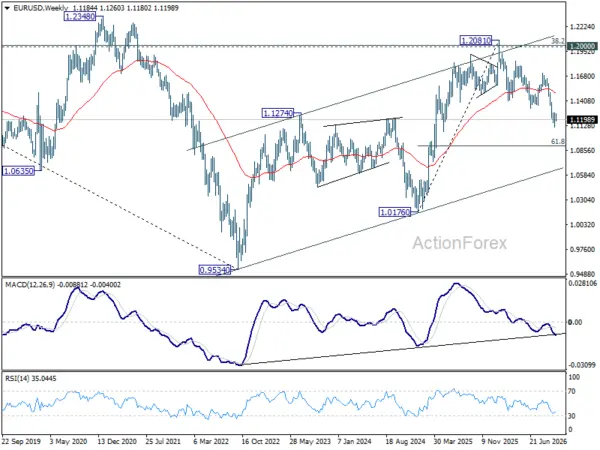
In foreign exchange and fixed income markets, climbing energy prices provided renewed fundamental support for the Norwegian krone, causing the EUR/NOK exchange rate to break below the 10.50 threshold. Meanwhile, the EUR/CHF pairing edged lower as bearish sentiment toward the euro intensified, exacerbated by a fresh widening of French sovereign credit default swap (CDS) spreads. The euro also experienced intraday downward pressure against the United States dollar, briefly slipping below the 1.12 handle. Across sovereign debt markets, yields compressed across the entire maturity curve in both the United States and Germany. Most notably, the benchmark 10-year United States Treasury yield retreated below the critical 5 percent psychological threshold for the first time in a full month, underscoring a complex interplay between flight-to-safety flows, shifting monetary policy expectations, and macroeconomic crosscurrents.