



As March draws to a close, workers and taxpayers across the country are facing a familiar convergence of seasonal milestones: the end of the fiscal year, the looming pressures of tax season, and the unpredictable nature of daily life logistics. For one long-time professional in Ottawa, the final day of March 2026 brings a uniquely timed mix of personal milestones, including a rapidly approaching retirement countdown, vehicle maintenance headaches, and long-term financial planning decisions regarding government benefits.
The author, who is less than sixty days away from stepping away from a decades-long primary career, notes that this transition period offers a fitting backdrop for a reflective look at personal finances. Coinciding with the end of March is the fiscal year-end for numerous individuals and organizations, a period that frequently prompts a thorough review of accounting books, receipts, and investment portfolios. Adding a touch of seasonal flavor to the calendar is the observance of Holy Week, specifically Holy Tuesday—sometimes referred to colloquially in certain traditions as "Fig Tuesday," referencing the biblical narrative surrounding the fig tree. While the historical and theological observance holds its place in the calendar, the author admits to a preference for commercially packaged Fig Newtons over the symbolism of the tree itself, setting a lighthearted tone for a deeper dive into practical financial matters.
Auto Fignations
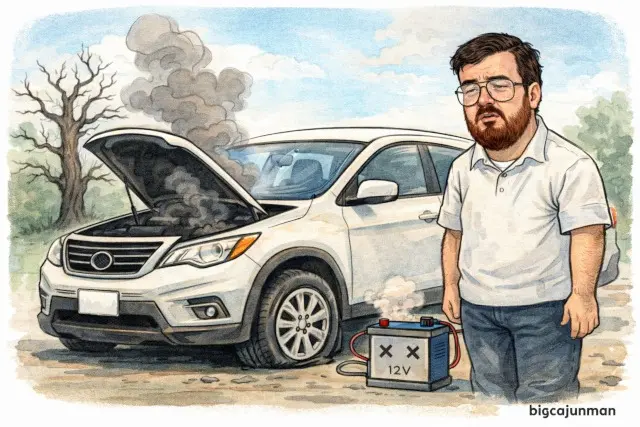
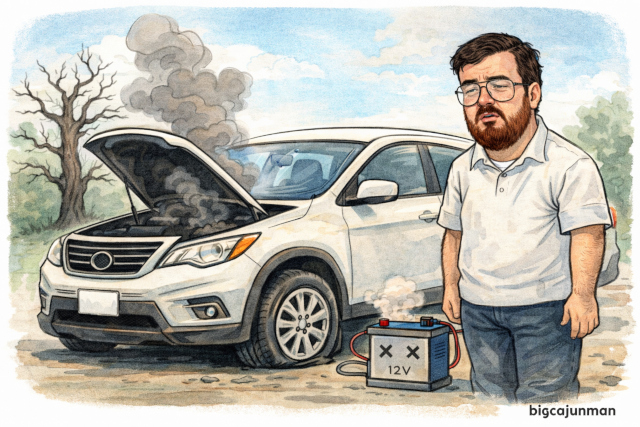
Vehicle maintenance often serves as an unpredictable and costly reality check for household budgets, a lesson reinforced during a recent trip to the service center. Bringing a 2024 Nissan Rogue in for its semi-annual service in Ottawa, the owner opted to swap out the winter tires slightly ahead of the usual seasonal curve, rolling the dice on early spring weather conditions in the region.
The resulting service visit brought unexpected automotive complications, adding to the financial friction often associated with modern vehicle ownership. While the experience stopped short of definitively labeling the vehicle a persistent lemon, the frequent maintenance interruptions prompted reflections on the reliability of contemporary automobiles. The frustrations of unexpected car trouble have increasingly steered Canadian drivers toward alternative transportation options. Echoing a broader national trend supported by various government affordability programs and zero-emission vehicle incentives, the author notes that an electric vehicle (EV) will likely be on the horizon for future transportation needs, potentially complemented by the installation of residential solar panels to help manage energy costs.
Tax Time
Running parallel to vehicle maintenance and seasonal transitions is the perennial obligation of tax season. While taxpayers generally maintain a modest window before final filing deadlines arrive, the administrative groundwork requires early attention and meticulous record-keeping.
For households managing complex deductions, the process of collating documentation can prove tedious. Reviewing the year’s expenses highlighted the time-consuming nature of gathering medical receipts, a task that requires patience and organization. Meanwhile, everyday dietary requirements—such as tracking gluten-free food purchases for individuals managing conditions like Celiac disease—often present their own record-keeping hurdles, with some household members eventually opting to forego the complex task of claiming specialized grocery receipts altogether despite potential tax recognitions.
CPP at 65 for Me?
As retirement edges closer, broader strategic decisions regarding government pension benefits come to the forefront of financial planning. For this Ottawa-based professional, the decision of when to begin collecting the Canada Pension Plan (CPP) is firmly set for a later date. Rather than opting to draw the pension at age 65, the current plan involves holding off until closer to age 70, allowing the baseline financial strategy to mature while factoring in personal health, longevity, and overall retirement income needs.
This cautious approach to drawing benefits aligns with a career marked by steady employment and a notable absence of safety-net dependency. Over a working span of four decades, the individual has never collected Employment Insurance (EI), a streak that endured even through a challenging period involving a year-long layoff earlier in professional life. As the final weeks of the traditional career wind down, these accumulated experiences—ranging from everyday vehicle expenses and tax preparations to long-range pension strategies—form a pragmatic foundation for the next chapter.