




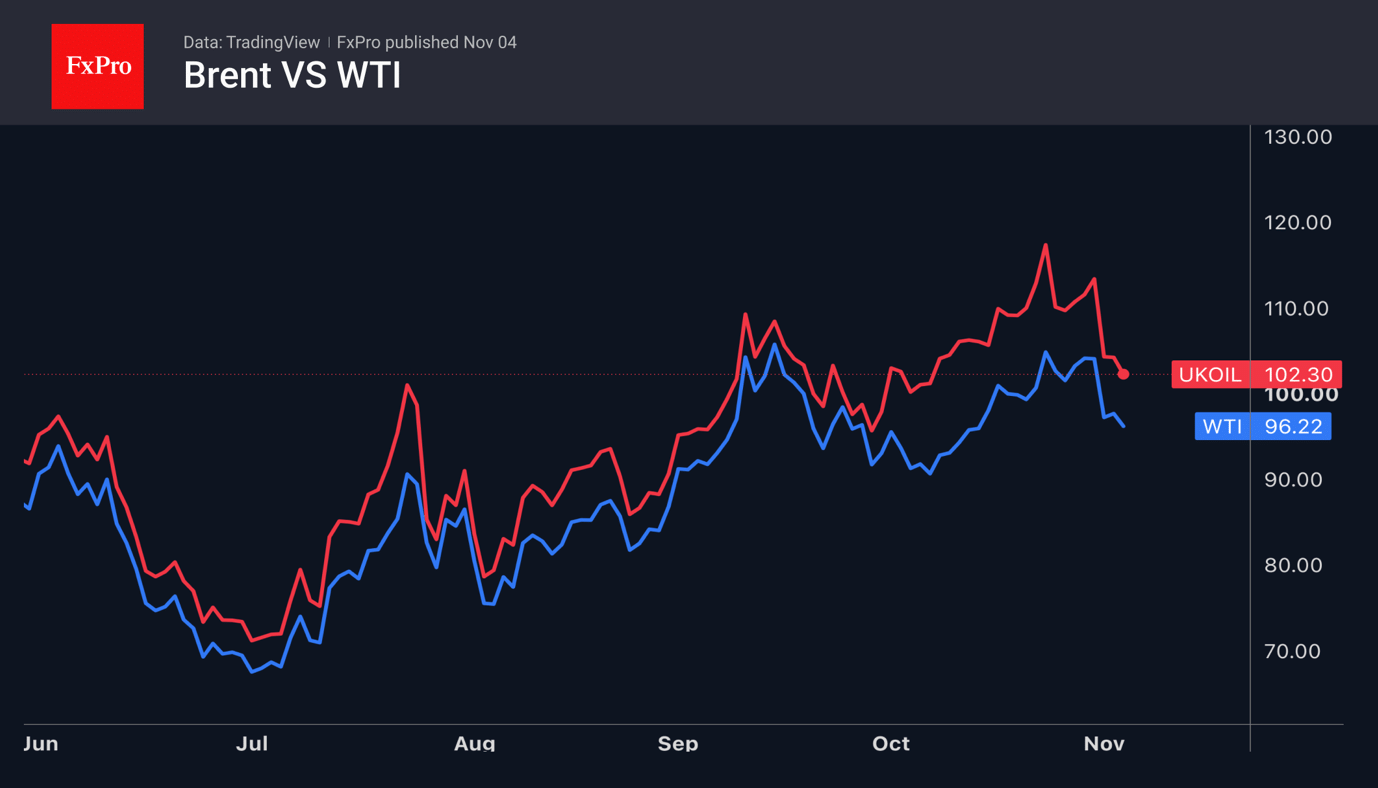
Signals from the geopolitical and diplomatic fronts remain decidedly mixed, yet global commodity markets have increasingly opted to price in a more conciliatory approach. Even as international mediators float innovative frameworks to bring Washington and Tehran back to the negotiating table, and as investors largely downplay the immediate market impact of recent United States military strikes on Qeshm Island, broader political currents are shifting. Notably, recent remarks by Donald Trump regarding potential reductions in military aid to Israel have emerged as a primary catalyst driving the downward pressure on Brent crude prices.

The prospect of Israel facing a potential loss of $4 billion in military assistance—particularly at a juncture when regional security demands are heightened—is being interpreted by commodities traders and macroeconomic analysts alike as a strong signal that the United States may be systematically scaling back its direct strategic footprint in the Middle East. This political pivot reflects a domestic backdrop where political figures and analysts frequently attribute recent electoral shifts and party defeats to geopolitical flashpoints that previously propelled oil prices skyward and aggravated inflationary pressures across Western economies. With voters sensitive to the cost of living, political incentives in Washington are increasingly aligned with de-escalation and a reduction of foreign entanglements.
Reflecting this growing preference for diplomatic resolutions over military escalation, investors are increasingly placing their trust in backchannel negotiations and regional dialogue. This shifting sentiment has notably narrowed the pricing premiums between crude oil grades with immediate delivery dates and those scheduled for more distant futures. For instance, back in early October, Dated Brent traded at a substantial $30-per-barrel premium over ICE Brent, illustrating acute short-term supply anxieties. However, as market participants reassessed regional risk profiles, that stark difference narrowed dramatically to just $3.70 by November. Concurrently, a steady recovery in oil export volumes from the Middle East, which have gradually returned to pre-war levels, has worked to alleviate logistical bottlenecks and significantly reduce transportation and insurance costs across major maritime trade routes.
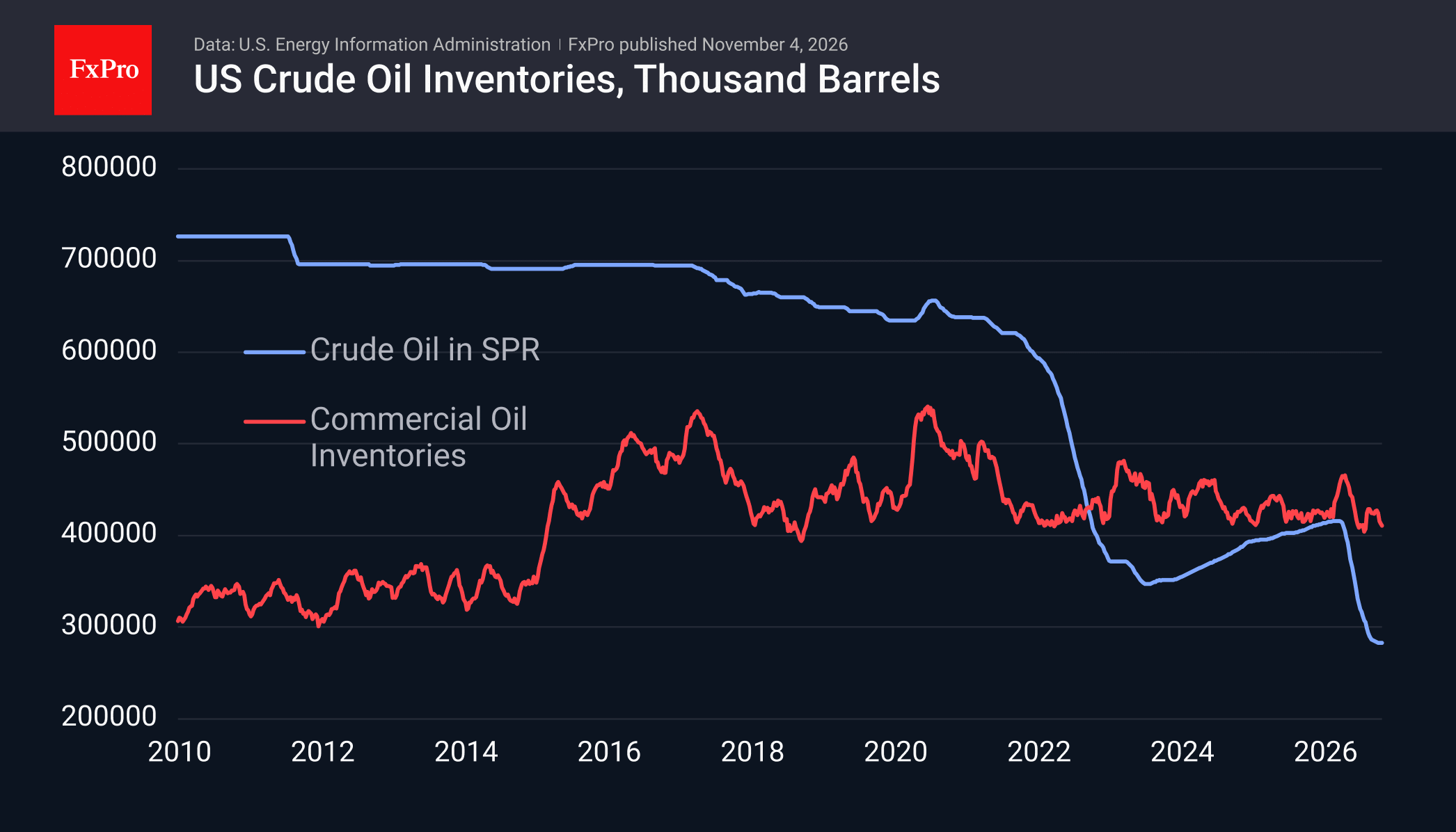
In light of these stabilizing market fundamentals, the decision by financial speculators to unwind and reduce their net-long positions in Brent crude appears entirely justified from a risk-management perspective. Yet, despite the prevailing bearish momentum, market bulls still retain several influential cards that could quickly alter the trajectory of prices. According to recent data released by the American Petroleum Institute, domestic crude oil inventories experienced a significant drawdown, plunging by 5.3 million barrels. Should these figures be officially corroborated by the subsequent report from the Energy Information Administration, it will mark the fifth consecutive week of inventory declines. Such a sustained reduction points directly to robust underlying demand, providing a crucial psychological and structural floor for global energy prices.
At the same time, historical precedent suggests that political defeats or shifts in domestic leadership do not automatically preclude a sharp escalation in active geopolitical conflicts. History offers clear examples of how political dynamics can diverge sharply from actual military policy. In 2006, both houses of the United States Congress shifted decisively under Democratic control, driven largely by public exhaustion and deep dissatisfaction with the protracted and unpopular war in Iraq. Yet, contrary to expectations of an immediate wind-down, the administration of George W. Bush implemented a strategic surge in early 2007, increasing the military presence in the region significantly, with US combat troops ultimately remaining stationed there until late 2011.
On the diplomatic front, tensions between Washington and Tehran remain acute. Iranian officials have publicly maintained that the responses provided by Washington to their core demands remain entirely unsatisfactory, highlighting the vast chasm that still separates the two negotiating parties. Meanwhile, time continues to work in favor of the United States and its allies. The ongoing economic blockade and strict sanctions regime targeting Iranian oil exports are visibly exerting sustained pressure on Tehran’s fiscal stability, even as broader Middle Eastern supply volumes hover comfortably close to pre-war baselines. Because the diplomatic distance between Washington and Tehran remains vast, any unexpected breakdown in ongoing talks could instantly reignite geopolitical anxieties and trigger a sharp resumption of the Brent crude rally.
The FxPro Analyst Team