



By Mark Segal
October 18, 2026
The landscape of environmental, social, and governance (ESG) investing experienced a wave of major strategic realignments, regulatory updates, and substantial capital deployment over the past week. From high-profile corporate acquisitions and updated global sustainability frameworks to strict new disclosure deadlines and greenwashing guidelines, the week underscored the increasing maturity and complexity of the global sustainability market.
Leading the developments in the asset management sector, BNP Paribas Asset Management launched an ambitious new global sustainability strategy. The move follows the firm’s strategic acquisition of AXA Investment Managers (AXA IM), positioning the combined entity as a dominant force in sustainable investing. The rollout of this global strategy highlights how major financial institutions are consolidating resources and standardizing their offerings to meet rising client demand for rigorous, integrated ESG solutions.
Sustainability Goals, Initiatives, and Achievements
Corporate commitments to advanced decarbonization and carbon management remained robust throughout the week, driven by heavy industry partnerships and technological innovations. In a notable carbon removal transaction, tech giants Google, Stripe, and Shopify joined forces to sign a landmark carbon removal agreement with 44.01, an innovative startup specializing in mineralizing CO2 into rock. This collective purchase reflects the technology sector’s continued reliance on durable, permanent carbon removal solutions to offset hard-to-abate emissions.
Power infrastructure and clean energy supply also saw major capital commitments. American Electric Power (AEP) announced plans to construct a massive $4 billion fuel cell project specifically designed to supply low-carbon power to Google’s expanding operational infrastructure. Meanwhile, in the hydrogen and clean fuels sector, Hy24 successfully acquired the clean hydrogen platform Hynamics from French utility major EDF. In a parallel initiative aimed at driving fleet decarbonization, industrial giants Engie and CMA CGM announced plans to build a new clean fuel plant tailored to supply sustainable alternatives for shipping operations.
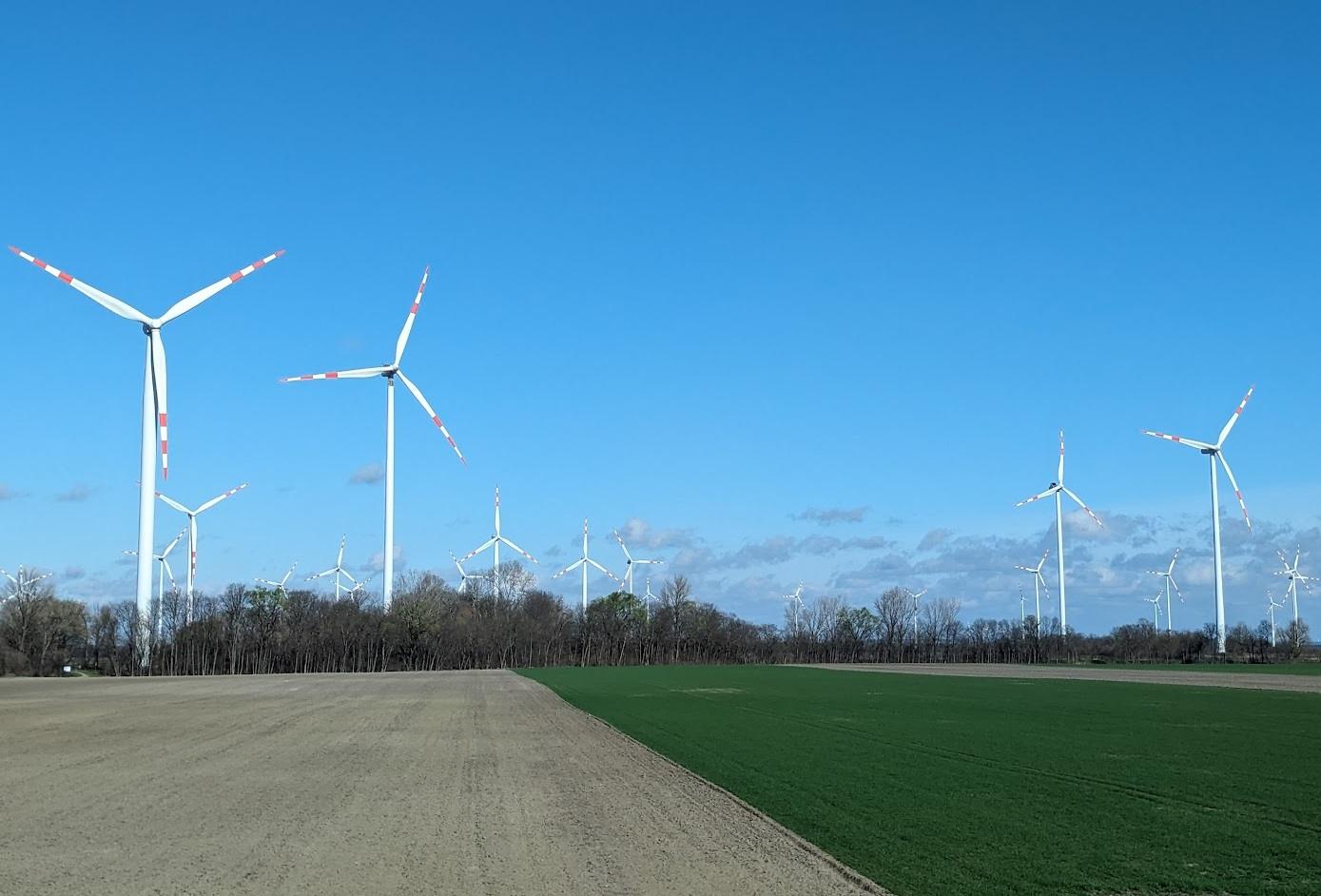
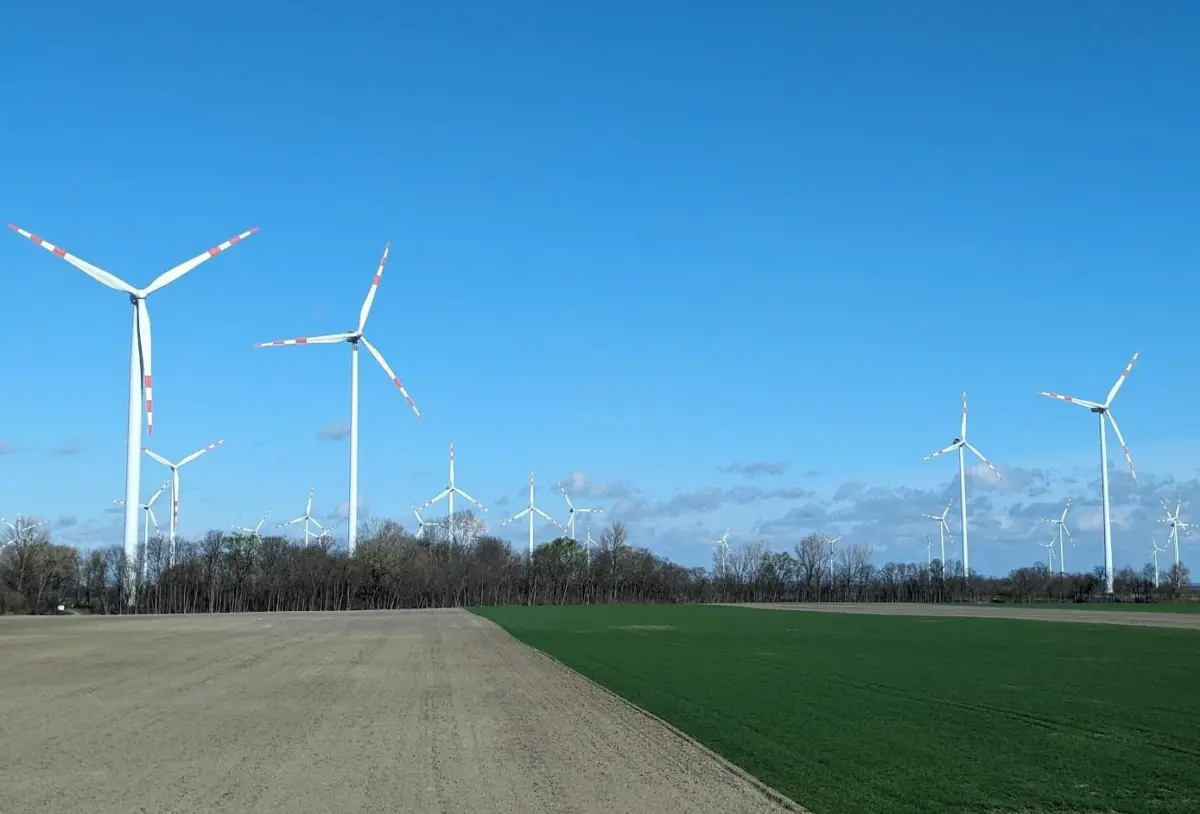
Nature and biodiversity targets received a major structural boost as the Science Based Targets Network (SBNR) released its new framework for corporate science-based nature target setting. This launch comes alongside a broader corporate rush toward biodiversity accountability, with over 800 companies formally committing to Taskforce on Nature-related Financial Disclosures (TNFD)-aligned reporting ahead of upcoming global standards.
Venture capital and clean technology transactions rounded out the week’s operational highlights. TROOPS completed the acquisition of Efforce, the energy-saving technology platform co-founded by Steve Wozniak. In the renewables market, TotalEnergies and KKR expanded their footprint by adding a massive $1.2 billion solar portfolio to their existing United States renewables joint venture.
Government and Regulators
Regulatory scrutiny over sustainability claims intensified significantly, with European regulators taking direct aim at deceptive marketing practices. The European Securities and Markets Authority (ESMA) issued comprehensive guidance designed to assist investment firms in avoiding greenwashing when making impact and climate transition claims. The guidance provides clarity on how fund managers must substantiate their sustainability assertions, ensuring that retail and institutional investors receive transparent, verifiable data regarding climate-related products.
Sustainability Reporting
Regulatory frameworks and reporting requirements continued to crystallize, bringing tighter accountability for corporate emissions and environmental impacts. In the United States, California officially finalized its corporate climate reporting regulations, locking in a crucial November 2026 deadline for the first wave of corporate disclosures. These rules are expected to affect thousands of companies operating within the state, setting a de facto national standard for comprehensive greenhouse gas accounting.
Complementing these regulatory mandates, the TNFD released a major update to its assessment framework and guidance. Designed to support corporate nature-related reporting, the updated guidance aligns closely with impending standards from the International Sustainability Standards Board (ISSB) and the International Organization for Standardization (ISO), helping organizations seamlessly integrate nature and biodiversity metrics into their broader financial disclosures.

ESG Services and Tools
To help corporations navigate these mounting reporting obligations, professional services firms and technology providers are forging strategic alliances. Ernst & Young (EY) and Watershed announced a major sustainability reporting partnership. By combining EY’s deep advisory expertise with Watershed’s advanced carbon accounting software, the collaboration aims to provide enterprises with scalable solutions to measure, manage, and report their environmental impact accurately.
Sustainable Finance
Sustainable finance markets experienced a surge in capital mobilization aimed at scaling transition technologies and supporting underinvested regions. In the aviation sector, LanzaTech boosted its strategic stake in sustainable aviation fuel (SAF) business LanzaJet as part of a fresh financing round, alongside LanzaJet securing an additional $20 million in funding to scale production capacity.
Financial institutions are also actively adapting their mandates to navigate shifting geopolitical and economic realities. JPMorgan Chase updated its sustainable finance strategy, explicitly seeking to balance emissions reduction goals with energy security and affordability. This recalibration reflects a broader industry trend toward pragmatic transition finance that supports continuous decarbonization while maintaining reliable energy supplies.
Nature-based finance also expanded significantly. Finance Earth and FSD Africa launched a $100 million fund dedicated to backing nature-based carbon projects across emerging markets. Simultaneously, British International Investment (BII) announced plans to mobilize $1.6 billion for climate finance initiatives throughout Southeast Asia. In the United community finance space, Candide successfully raised over $70 million to close the climate finance gap by channeling capital into underinvested communities.
Sustainable Investing
Investor preferences are evolving rapidly regarding how sustainability performance is evaluated. According to a new industry survey, in-house research and direct corporate engagement have officially overtaken external ESG ratings as investors’ primary tools for assessing sustainability performance. Asset managers are increasingly relying on proprietary analysis to verify corporate claims and drive operational changes.

Institutional mandates reflected this ongoing evolution. Major French pension institution Ircantec awarded €1.6 billion in sustainable investment mandates to Amundi and BNP Paribas Asset Management. In index development, Stoxx and Osmosis partnered to launch a new suite of sustainable transition factor indices, providing investors with quantitative tools to target companies successfully transitioning to low-carbon business models.
The impact investment sector saw major international collaborations as well. Impact investor BlueOrchard partnered with the International Finance Corporation (IFC) to deploy $2 billion into emerging market sustainable projects, aiming to address critical infrastructure and climate adaptation needs in developing economies.
Private Equity and Venture Capital
Private markets remained exceptionally active in funding early-stage and growth-phase clean energy companies. Legal & General (L&G) and NTR teamed up to raise $370 million for a new clean power transition fund, targeting renewable energy assets across Europe.
Home energy and cleantech startup 1KOMMA5° secured €70 million in a new funding round, maintaining its unicorn status at a valuation of $1.35 billion. In the industrial and maritime sectors, Epyr raised $17 million to scale its industrial heat electrification platform, while Blaze secured $6.5 million in funding to develop technology enabling commercial ships to run cleanly on alternative fuels.
Executive Moves
In corporate leadership changes, IKEA announced the appointment of Erika Intiso as its new Chief Sustainability Officer. Intiso will lead the home furnishing giant’s global sustainability strategy, steering ongoing circular economy initiatives, supply chain decarbonization efforts, and social impact commitments as the company works toward its long-term environmental targets.