



US inflation shows little progress
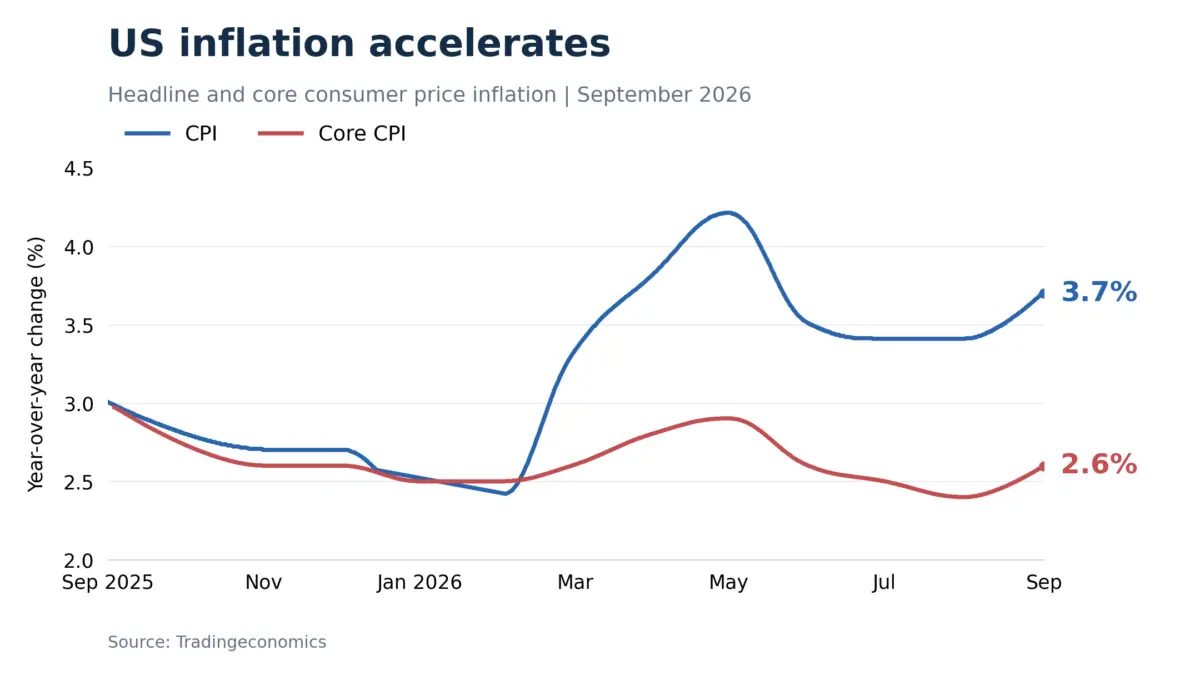
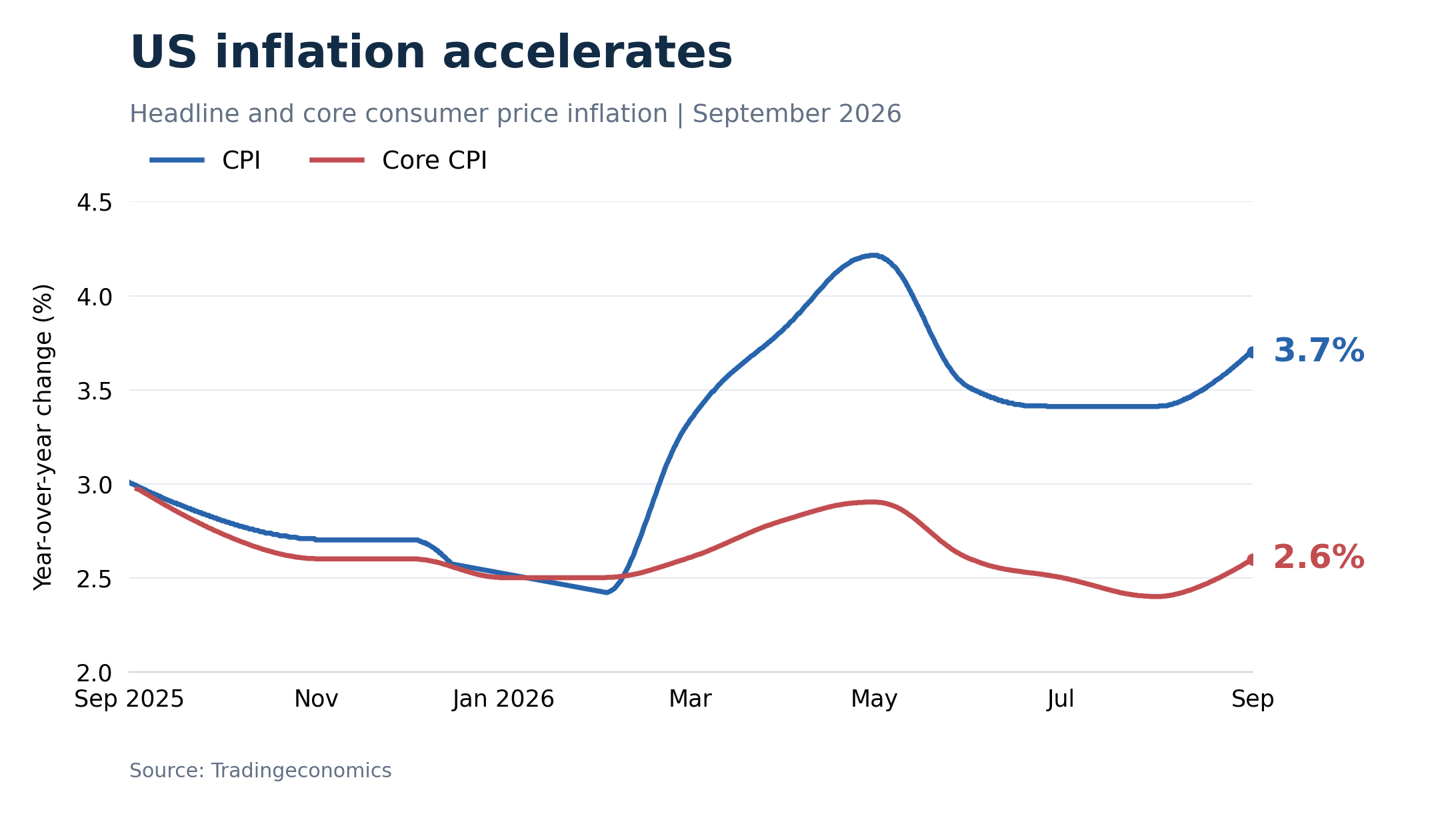
Recent economic data out of the United States has underscored the stubborn nature of contemporary price pressures, demonstrating clearly that inflation is no longer merely a byproduct of volatile energy markets. September’s comprehensive figures revealed that broader price increases continue to permeate the economy, outpacing the expectations of many market analysts. Core Consumer Price Index (CPI) inflation notably exceeded forecasts, with its annualized rate ticking upward by 0.2 percentage points to reach 2.6 percent. When compared against the 2.5 percent baseline recorded at the very beginning of the year, this latest uptick illustrates a distinct lack of sustained progress toward the Federal Reserve’s long-term target of price stability.
A parallel narrative is told by the Personal Consumption Expenditures (PCE) price index, which remains the central bank’s preferred gauge for measuring consumer inflation. Core PCE inflation is currently hovering close to its initial levels from the start of the year, stubbornly anchored at 3 percent. Intriguingly, this measure continues to sit somewhat higher than the corresponding headline and core CPI figures reported by market tracking sources like Tradingeconomics, further highlighting the deep-seated nature of domestic inflationary pressures.
In the foreign exchange markets, this sticky inflation dynamic triggered immediate volatility. The US dollar experienced a sharp initial surge following the release of the data, driving the widely traded EUR/USD currency pair down to test levels close to 1.11. However, this downward momentum proved remarkably short-lived. The currency pair mounted a dramatic and swift rebound, climbing back above the 1.12 threshold.

This rapid reversal of the dollar’s intraday gains suggests that future interest rate hikes may already be heavily priced into current market valuations. Furthermore, it hints at the strong possibility of a near-term upward correction for EUR/USD, especially given the absence of any meaningful technical rebound since the latest downward trend originally commenced.
Fed likely to wait until December
For the Federal Reserve, the ongoing trajectory of inflation remains the single most critical factor guiding monetary policy. Current trends still provide an insufficient foundation for officials to comfortably declare an end to their ongoing tightening cycle. Former and current monetary voices, including figures such as Kevin Warsh, have emphasized that critical policy decisions should continue to reflect the broader, holistic economic picture rather than being driven reactively by individual monthly data releases.
Nevertheless, the stubborn persistence of core inflation at elevated levels strongly implies that the cumulative tightening delivered thus far may simply not be enough to fully restore lasting price stability. With the American political calendar featuring congressional elections in the immediate horizon, a rate adjustment during the late October policy meeting appears increasingly unlikely. Consequently, December is rapidly solidifying as the far more probable window for the Federal Reserve to make its next decisive move.
ECB officials signal further tightening
Similar hawkish undertones and policy debates are actively unfolding within the European Central Bank, where policymakers are grappling with their own set of economic challenges. Increasing signals of a shift toward further tightening are steadily emerging from the heart of the ECB’s governing council. Former Dutch central bank governor Klaas Knot has publicly argued that evolving structural, economic, and geopolitical developments may necessitate a more pronounced moderate tightening bias moving forward.
Echoing these cautious sentiments, Governing Council member Pierre Wunsch has expressed his belief that another interest rate increase will likely prove necessary before the economic cycle normalizes. Gediminas Simkus has voiced a remarkably similar perspective, noting that the analytical case for maintaining a more restrictive monetary policy stance has visibly strengthened since the end of the summer.
Simkus has drawn particular attention to the significance of the upcoming December policy gathering, pointing out that policymakers will by then have access to a much broader and more comprehensive set of macroeconomic data. At the same time, he has acknowledged the continued relevance of the October meeting in setting expectations. Taken together, these official remarks strongly reinforce prevailing market expectations that the ECB has yet to deliver its final rate increase of the year, pointing directly toward a winter move.
Relative policy expectations matter for EUR/USD
As the prospect of further monetary tightening approaches reality on both sides of the Atlantic, traditional market dynamics are shifting. Hawkish rhetoric originating from the Federal Reserve alone may no longer be sufficient to grant the US dollar a lasting or decisive advantage over its global peers. Instead, foreign exchange markets are focusing on relative policy expectations—specifically, which of the two major central banks ultimately signals a greater need for cumulative tightening over the medium term.
If market expectations regarding the future trajectory of interest rates for both the Federal Reserve and the European Central Bank continue to move in tandem, the overall impact of monetary policy divergences on the EUR/USD exchange rate may remain relatively contained. Traders and analysts alike will therefore be monitoring upcoming central bank communications closely for any divergence in tone that could shift the balance of power between the world’s two most heavily traded currencies.