




As workers across the globe pause to observe Labour Day, the annual holiday arrives this year under a complex economic and geopolitical cloud. Beyond its traditional status as a celebration of the contributions and struggles of the working class, the occasion offers a timely moment to reflect on the broader state of modern labor and macroeconomic policy in 2026.
The day’s significance is perhaps best framed by the enduring words of political economist Karl Marx, who wrote in Das Kapital: "Centralization of the means of production and socialization of labor at last reach a point where they become incompatible with their capitalist integument." More than a century after these words were penned, contemporary observers continue to grapple with the shifting dynamics of corporate power, wealth concentration, and systemic inequality.
Today, capitalism in 2026 frequently appears to function as an institutional framework permissive of corruption and excess at the highest levels of corporate and political hierarchy. For many participating in today’s reflections, the hope remains that the socio-economic pendulum will soon swing back toward a more equitable distribution of wealth and heightened accountability. Compounding these domestic structural anxieties are ongoing global trade wars and associated geopolitical conflicts. These large-scale economic frictions are reshaping international supply chains and diplomatic alliances, leaving deep structural marks that will undoubtedly influence labor markets and international commerce for years to come.
Beyond its political and economic weight, the first Monday in September traditionally serves a dual cultural purpose in North America. It acts as an official demarcation point—the symbolic end of the summer season—while simultaneously signaling the unofficial kickoff to the winter holiday shopping season. For anyone requiring immediate empirical proof of this accelerated retail calendar, a brief trip to a local wholesale club like Costco provides an unvarnished reminder, where festive displays and holiday inventory routinely arrive months ahead of the actual celebrations.
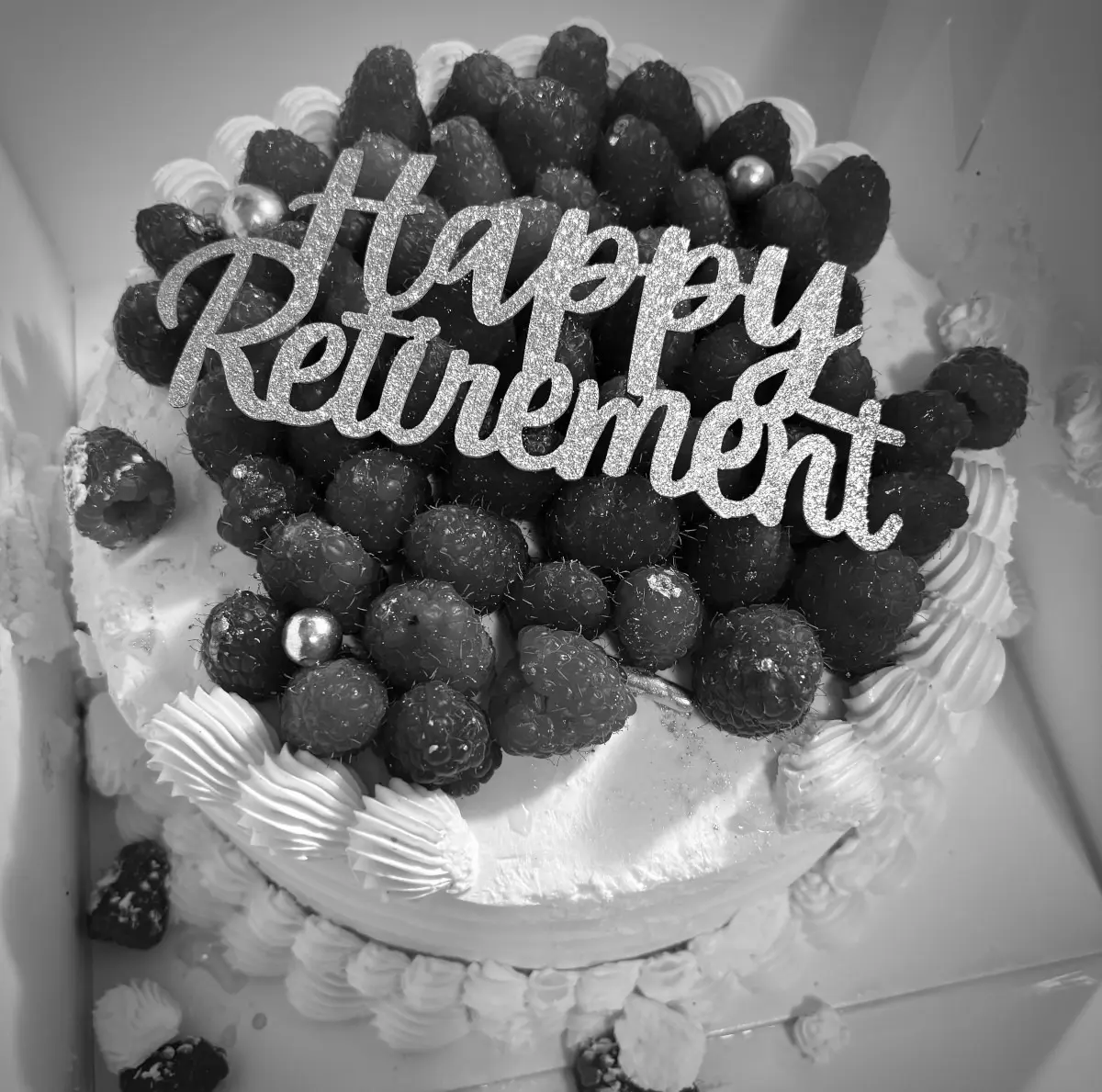
For many individuals, however, Labour Day also marks a moment of personal stocktaking. Navigating the transition away from full-time employment presents its own set of distinct psychological and lifestyle adjustments. For one local retiree, the ongoing experience of what can be termed the Retirement Journey has proven to be a continuous learning process. Months into this new phase of life, the reality of retirement often diverges from initial expectations. While an abundance of creative ideas and potential projects naturally surfaces during this unstructured time, the traditional corporate imperative or driving urge to immediately execute those ideas frequently remains absent.

Further complicating this domestic transition is a change in household planning. While early retirement often envisions couples embarking on simultaneous lifestyle changes, shifting personal ambitions have altered the timeline. With a spouse deciding to unretire—or more accurately, to forego retirement entirely to pursue new professional endeavors—the journey into post-career life has temporarily become a solo enterprise. This adjustment underscores a broader trend among older adults who find themselves redefining the boundaries of work, leisure, and retirement on an individual basis rather than as a synchronized household event.
Retirement Writings So Far in 2026
As personal exploration takes center stage during these post-career years, creative pursuits have begun to fill the void left by traditional employment schedules. Among these evolving interests, the goal of dedicating more time and energy to photographic work has seen notable progress.
The pursuit of visual arts offers a deliberate change in pace, allowing for deeper engagement with everyday surroundings and unique subjects. Whether capturing candid moments or exploring specific themes through the camera lens, photography has emerged as a primary outlet for creative expression during this chapter of retirement. Rather than adhering to rigid schedules, the focus remains firmly rooted in exploring the subject matter itself, letting the creative process unfold organically.
Previous Labour Days
Reflecting on past Labour Days offers a broader perspective on how societal discussions surrounding work, compensation, and economic justice have evolved over the years. From historical labor movements that successfully fought for the eight-hour workday, safer factory conditions, and fair wages, to modern debates concerning automation, remote work, and corporate governance, the fundamental questions raised on this holiday remain remarkably consistent.
As communities mark the occasion, the dialogue surrounding labor rights and economic fairness continues to adapt to the realities of a rapidly changing world. Whether examining the macroeconomic indicators of a fractured global trade landscape or quietly contemplating personal milestones away from the traditional workforce, Labour Day remains a vital anchor for collective reflection and individual renewal.