



In a developing scandal that reads like a high-stakes Hollywood espionage thriller, tech titan Nvidia is facing unprecedented scrutiny after revelations concerning its charismatic chief executive. U.S. officials have indicated that the chip partner executive at the center of the controversy may have been actively targeted by the Chinese government, prompting the company’s board of directors to take immediate action.
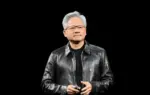
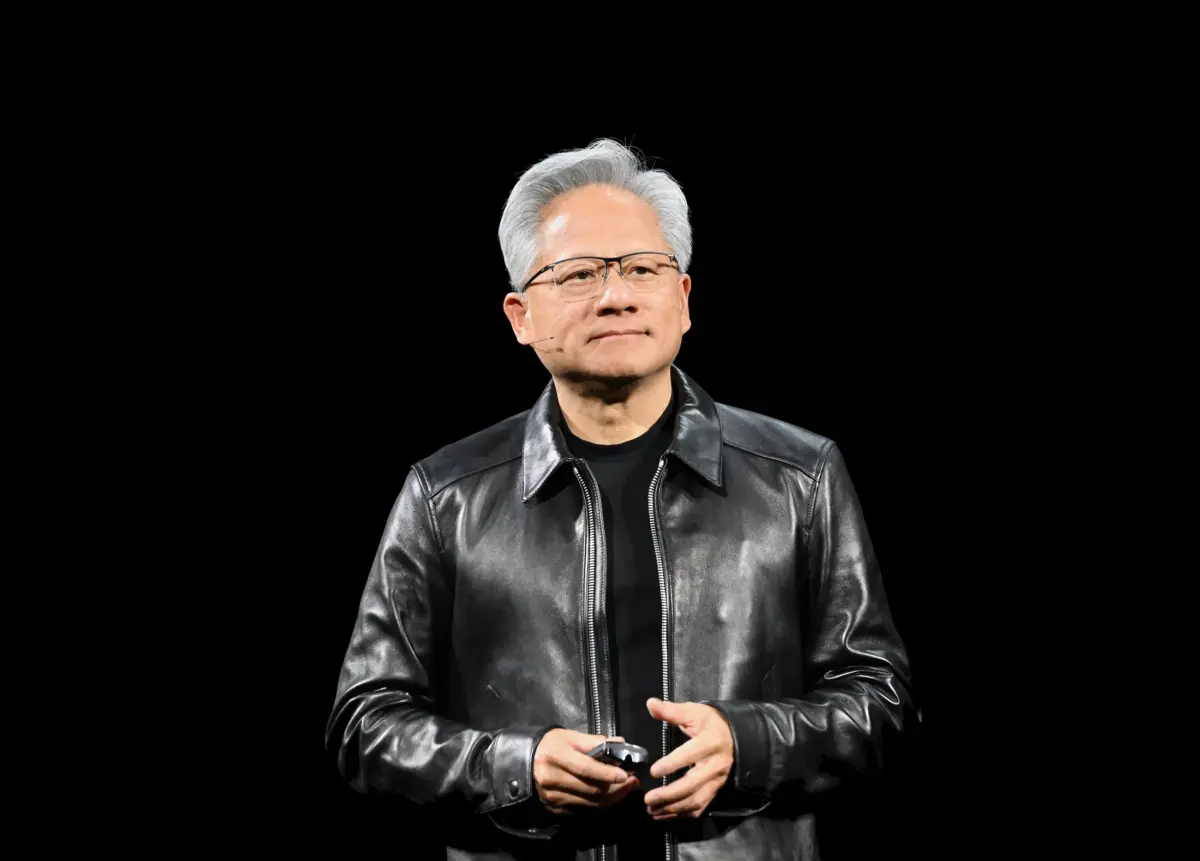
The unfolding crisis places Jensen Huang, one of the most prominent figures in the global technology sector and the head of a staggering $4.5 trillion enterprise, at the center of a complex geopolitical and corporate storm. According to reports published by The Wall Street Journal, Nvidia’s board has officially opened an investigation into reports that Huang was targeted by a foreign intelligence effort. The investigation stems from an extramarital affair between the tech executive and a woman identified as Alice Huang, who bears no relation to the CEO.
Alice Huang was previously a high-ranking executive at Megaspeed International, a Singapore-based data center company that maintained a close corporate partnership with Nvidia. The professional relationship between the two firms brought the executive into the orbit of Nvidia’s inner circle. However, that corporate connection has now taken a dark turn. According to U.S. intelligence and security officials, investigators concluded last year that Alice Huang was allegedly sharing sensitive information with the Chinese government, operating as part of a foreign intelligence-gathering apparatus aimed at the critical semiconductor and artificial intelligence sectors.
The revelation of the affair and the subsequent security implications have sent shockwaves through Silicon Valley and Washington, D.C. On Sunday, facing mounting pressure and impending public disclosure, Jensen Huang took the unusual step of addressing his staff directly, issuing an apology for his marital infidelity. In a candid message to employees, the CEO did not shy away from taking personal responsibility for his actions.
"I owe my family and all of you an apology," Huang wrote in his communication to the workforce. "There is no excuse for what I did."
While the personal apology addressed the moral and domestic fallout of the situation, the corporate and national security dimensions of the affair require a far more rigorous institutional response. Recognizing the gravity of the situation, Nvidia’s board of directors announced that a special committee composed entirely of independent directors would lead the internal probe. This committee is utilizing outside legal counsel and security experts to thoroughly examine the circumstances surrounding the relationship, the nature of any information that may have been accessible, and the broader context of the alleged foreign intelligence targeting.
Despite the serious nature of the allegations and the initiation of the formal investigation, Nvidia’s board has moved quickly to project stability and continuity within the corporate leadership structure. Representatives for the company stated that the board currently has no reason to believe that any proprietary company secrets, intellectual property, or broader national security interests were compromised as a result of the relationship. Furthermore, the board confirmed that Jensen Huang will remain in his position as chief executive officer while the investigation is conducted.
The controversy, however, extends far beyond the boardroom and internal corporate governance. As the head of Nvidia, Huang commands one of the most vital engines of the modern global economy. Under his leadership, Nvidia has risen to unprecedented heights, becoming the world’s premier provider of the advanced graphical processing units and artificial intelligence hardware that power the ongoing technological revolution. Reaching a market valuation of $4.5 trillion, the company is central to the geopolitical competition over advanced computing infrastructure, making any potential security vulnerability involving its top executive a matter of intense public interest.
Compounding the corporate gravity of the situation is Huang’s prominent role within the broader political landscape. Known as one of President Trump’s closest technology advisors and allies, Huang has frequently consulted with government officials on matters pertaining to domestic manufacturing, international trade, semiconductor supply chains, and the strategic importance of maintaining American technological dominance in artificial intelligence.
Because of Nvidia’s critical role in both the commercial market and the national security apparatus—particularly regarding export controls and advanced chip technology destined for foreign markets—lawmakers from both sides of the aisle in Washington have begun asking difficult questions. Members of Congress are closely monitoring the developments, eager to ensure that American technological leadership has not been exposed to foreign espionage through supply chain partnerships or personal vulnerabilities.
The investigation is expected to delve deeply into the protocols surrounding executive security, vetting procedures for partner executives, and the potential vectors through which foreign intelligence agencies might attempt to compromise key figures in the critical infrastructure and technology sectors. As the independent committee begins its work with outside counsel, the tech industry will be watching closely to see what conclusions are reached.
For now, Nvidia’s leadership remains intact, but the fallout from the dual revelations of personal indiscretion and alleged foreign targeting serves as a stark reminder of the immense pressures, risks, and geopolitical stakes facing the leaders of the world’s most valuable technology companies.