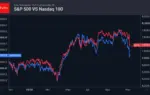




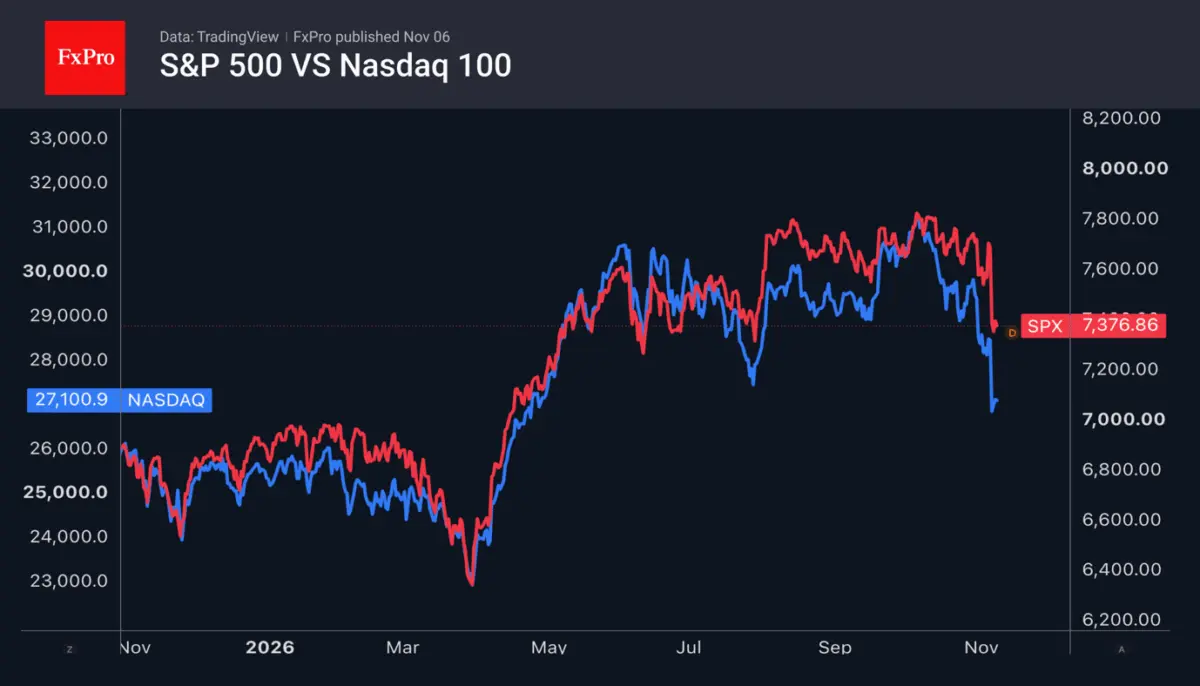
Strong US labor market data failed to reassure investors, leaving equity markets searching for direction as the autumn trading session progresses. Recent economic indicators suggested that the widespread integration of artificial intelligence across corporate sectors is not resulting in immediate, catastrophic job losses. Market participants initially anticipated that this labor resilience would dampen the severe sell-off gripping the equity market. Instead, major benchmarks such as the S&P 500 and the Nasdaq-100 have stabilized near their lowest levels in three months. The central question dominating trading floors is whether the dramatic sell-off witnessed on "Black Thursday"—specifically November 5—was merely a temporary market blip or the definitive start of a prolonged downward trend for artificial intelligence stocks and broader technology shares.
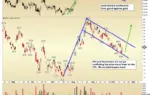
One of the fundamental principles of disciplined investing is to let predefined rules, rather than reactive media headlines, drive portfolio decisions. Despite the broad market index experiencing a sharp and dramatic slump, bullish investors who advocate for "buying the dip" in the S&P 500 continue to maintain that their strategy remains correct. Major financial institutions are stepping in with targeted recommendations; for instance, Morgan Stanley is actively urging investors to increase their risk exposure by adding risk to their portfolios over the upcoming two to three weeks. Similarly, independent analysis from Yardeni Research maintains that the much-discussed artificial intelligence bubble has not actually burst. Instead, analysts argue that the market has simply lost some of its speculative air. With no systemic economic catastrophe visible on the horizon, these firms contend that current market conditions present a compelling opportunity to accumulate shares at more attractive valuations.
From a structural perspective, the equity market appears to be shifting into a lower gear rather than entering a destructive bear market. Despite the noticeable decline in headline index levels, underlying market breadth and internal strength indicators have been rising steadily since the beginning of October, suggesting broader participation beneath the surface. Furthermore, corporate fundamentals remain exceptionally robust. According to data from FactSet, corporate profitability reached an all-time high during the second quarter. To put this into historical context, corporate profits accounted for roughly 6 percent of Gross Domestic Product for half a century leading up to the 1990s. By 2026, that structural share of corporate profits relative to the broader economy has doubled, underscoring the enduring earnings power of American corporations despite periodic bouts of market turbulence.
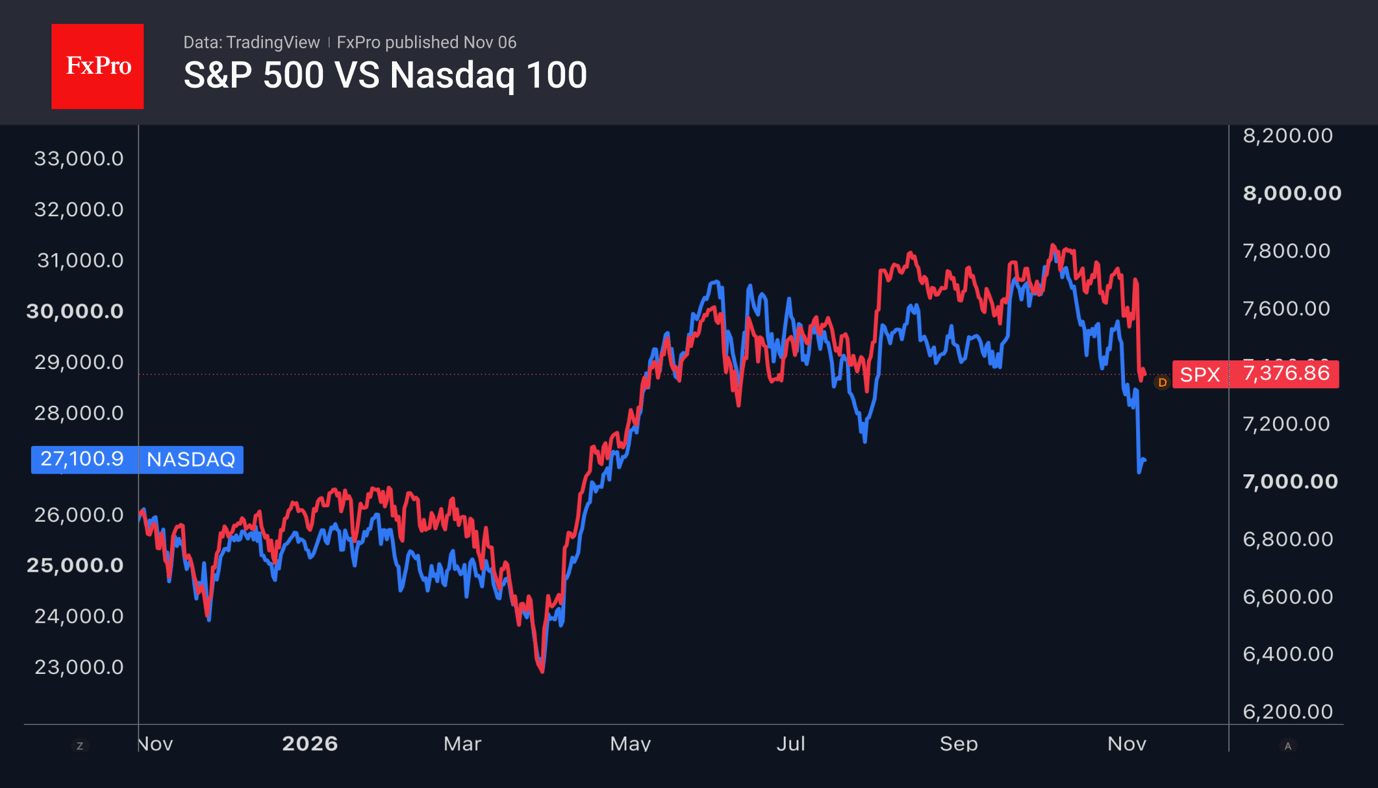
Political developments are also influencing sector-specific expectations, particularly regarding infrastructure and technology deployment. A Democratic victory in the political arena implies that the construction and commissioning of energy-intensive data centers will likely slow down, though it will not come to a complete halt. This regulatory and policy shift implies somewhat weaker financial results moving forward, not only for traditional chip manufacturers and hardware developers but also for secondary supply chain companies and the wider national economy. However, once these financial results achieve sustained stabilization, the environment will likely create fresh opportunities for new strategic purchases of S&P 500 shares. For the time being, however, the ongoing turbulence in the equity market remains primarily a reflection of this broader macroeconomic and structural shift into a different operational gear.
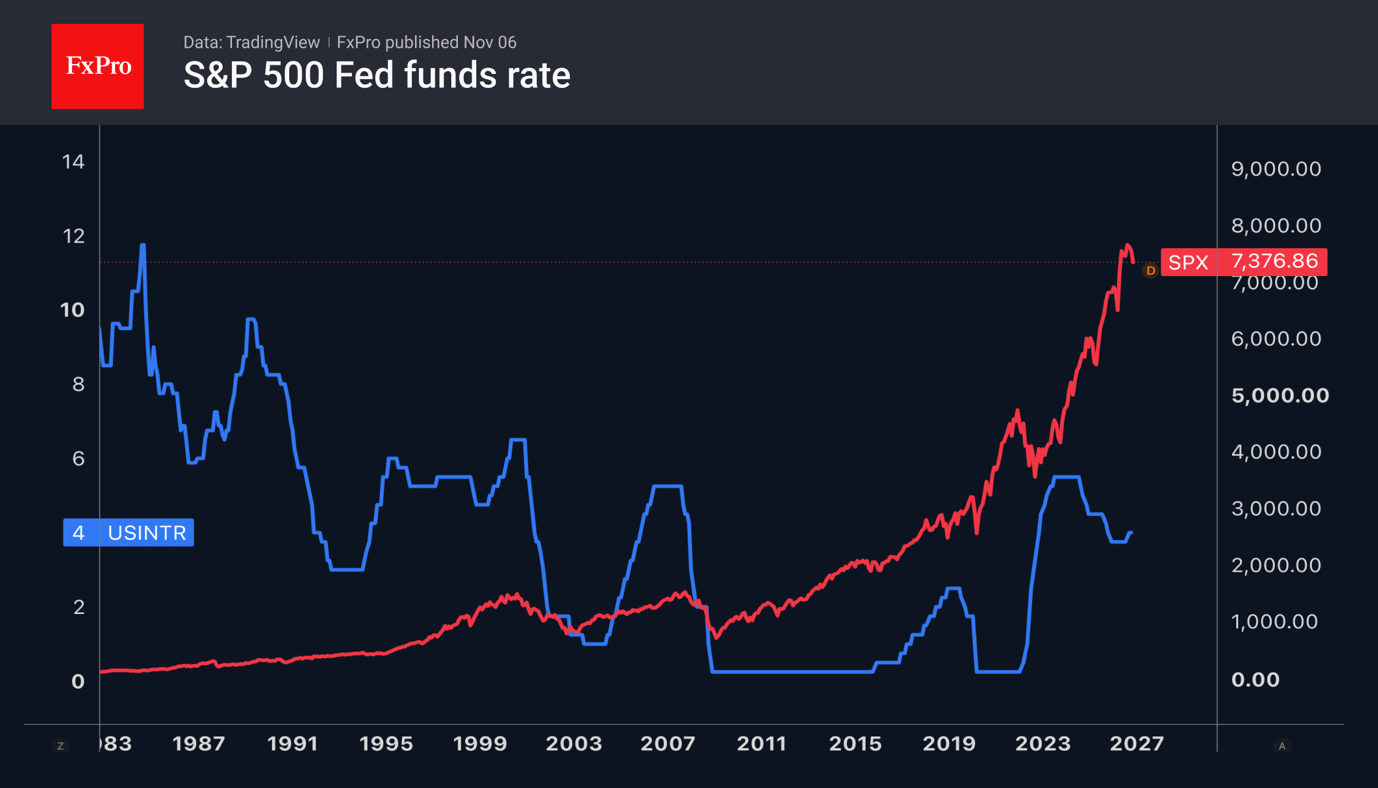
Looking toward monetary policy, the Federal Reserve may ultimately provide crucial support for the S&P 500 over the medium term. Federal Reserve officials, including Kevin Warsh, have expressed the perspective that financial markets should absorb some of the heavy lifting for the central bank. In this context, a deepening sell-off in major stock indices naturally leads to tighter financial conditions organically, which means monetary policymakers may not need to pursue monetary tightening at the aggressive pace currently anticipated by derivatives markets. Rather than relying solely on the historical phenomenon known as the "Trump put," market participants are now monitoring whether a traditional "Fed put" might return to support the equity market should conditions deteriorate further. The critical prerequisite for this dynamic to play out smoothly is that domestic US inflation must not resume an accelerated upward trajectory.
The FxPro Analyst Team