


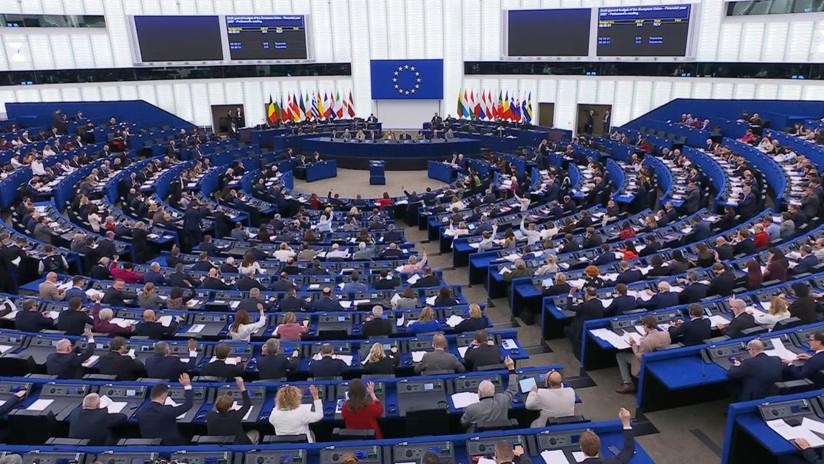
Lawmakers in the European Parliament have voted decisively to delay stringent methane monitoring and reporting rules for foreign oil, gas, and coal importers by three years. In a 341 to 225 vote, the Parliament moved significantly further than the initial one-year postponement proposed earlier this month by the European Commission, anchoring its negotiating position around the imperative to ensure secure energy supplies for European economies navigating complex geopolitical realities.
The vote establishes the Parliament’s official stance on a proposal by the Commission to push back critical requirements for fossil fuel importers. This framework stems from landmark legislation passed in 2024, which was designed to enable the European Union to systematically reduce methane emissions originating from the energy sector. That core law aims to help the bloc reach its overarching climate goals while simultaneously driving improvements in regional air quality.
However, as global energy markets remain strained and geopolitical pressures weigh heavily on supply chains, lawmakers and regulators have been forced to balance aggressive environmental ambitions against the immediate necessity of keeping energy flowing into member states.
The Crucial Role of Methane Abatement in Global Climate Strategy
Rapid and aggressive reduction in methane emissions is widely recognized by climate scientists and policymakers as one of the most effective near-term actions that can be taken to help achieve the global climate goal of limiting warming to 1.5 degrees Celsius.
Methane is an extremely potent greenhouse gas with a warming power that can be as much as 80 times greater than that of carbon dioxide over a shorter time horizon. Because oil, gas, and coal facilities represent among the largest industrial sources of methane emissions globally, tackling these leaks and operational releases is central to international decarbonization strategies.
The 2024 law established rigorous rules for measuring, reporting, and verifying methane emissions. It mandated protocols for finding and repairing infrastructure leaks and placed strict limits on venting and flaring operations. Crucially, that framework represents the world’s first comprehensive legislation to regulate methane emissions related directly to the imports of oil, natural gas, and coal, extending the EU’s regulatory reach beyond its internal borders and holding international suppliers to account.

Balancing Environmental Ambition and Energy Security Concerns
Earlier this month, the European Commission proposed a one-year postponement of the law’s requirements for monitoring, reporting, and verification for natural gas, oil, and coal importers. Those requirements were initially slated to begin rolling out in 2028. The Commission cited an urgent need to help avoid adding unnecessary pressures to the security of supply for imported fossil fuels amid the current volatile geopolitical context.
In a formal statement announcing the adoption of its strengthened position, the European Parliament indicated that it agrees wholeheartedly with the underlying need to postpone the obligations placed on importers. However, the Parliament is pushing to extend that delay significantly further, moving the target date out to 2031.
Lawmakers pointed to warnings from major energy importers who have cautioned that they may not be able to secure a sufficient volume of compliant supplies within the initially proposed timeframes, especially given that global energy markets remain tight and unpredictable. By granting a three-year extension, the Parliament hopes to prevent sudden supply disruptions or price spikes that could destabilize European industrial competitiveness and household energy security.

Extensions Also Proposed for EU Domestic Operators
In addition to easing the timeline for international fossil fuel suppliers, the European Parliament’s newly adopted negotiating position also addresses domestic operators within the bloc. Lawmakers stated that they want to grant EU oil and gas operators an additional three years to submit comprehensive, verified reports that combine source-level and site-level methane measurements.
Under the Parliament’s proposal, this reporting deadline would be extended from 2027 to February 2030 for operated assets. For non-operated assets, the proposed deadline would shift to August 2031. This adjustment reflects a recognition of the technical complexity involved in gathering precise, verified emissions data across vast and intricate industrial infrastructure, ensuring that operators have adequate time to implement robust monitoring systems without facing immediate punitive measures as they strive to meet the EU’s high regulatory standards.