




As communities gather to observe Labour Day 2026, the annual holiday arrives against a complex backdrop of shifting economic realities, geopolitical tensions, and personal transitions. Traditionally dedicated to honoring the contributions and achievements of workers, this year’s commemoration invites deeper contemplation regarding the state of modern labor and global capitalism.
The holiday serves as a moment to reflect on a famous observation by Karl Marx in Das Kapital, which noted how the centralization of the means of production and the socialization of labor eventually reach a threshold where they clash fundamentally with their capitalist framework. Observers noting the state of contemporary economics point out that modern capitalism frequently appears burdened by high-level corruption and systemic strain. As ongoing global trade wars and associated conflicts continue to reshape international relations and domestic economies, analysts suggest that the resulting marks on the global landscape will be felt for years to come.
Beyond the broader socioeconomic discourse, Labour Day traditionally marks a distinct cultural turning point—symbolizing the official close of the summer season while unofficially opening the gateway to the autumn and winter holidays. For anyone requiring immediate proof of this annual commercial transition, a brief visit to local retailers like Costco provides an unmistakable reminder, where holiday displays routinely appear months in advance of the actual festivities.
Retirement Journey Realities in 2026
For many individuals, the cadence of Labour Day also prompts personal reflections on work, leisure, and the transition out of the traditional workforce. Navigating what has been described as a personal retirement journey reveals that stepping away from full-time employment is very much an ongoing learning experience. While the transition often brings an abundance of creative ideas and potential projects, translating those concepts into immediate action requires a different kind of motivation altogether.
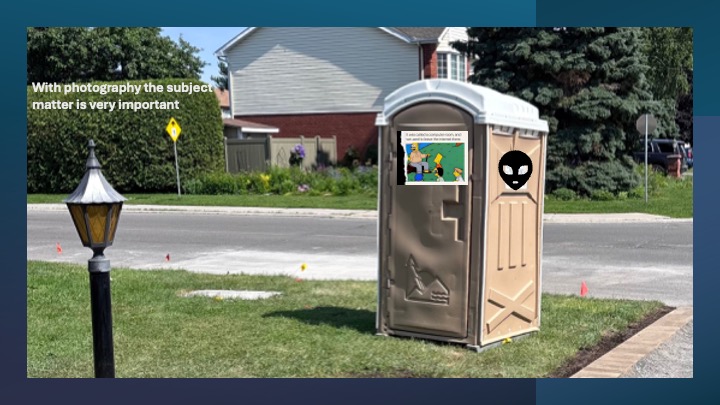
Household dynamics can also introduce unexpected twists to the retirement timeline. While one partner might embrace the slower pace of stepping away from the daily grind, others may find themselves charting a different course. In some households, plans shift when a spouse decides to unretire, or perhaps more accurately, opt out of retirement altogether for the time being. Such developments mean that individual retirement journeys can occasionally remain a solo venture for a longer duration than initially anticipated, prompting retirees to adapt their daily routines and personal projects accordingly.
Pursuing Creative and Photographic Goals
Amid these evolving personal dynamics and broader societal shifts, carving out time for creative expression has taken center stage for many navigating this phase of life. Goals focused on expanding photographic work, in particular, have seen renewed momentum. Engaging more deeply with visual arts provides a constructive outlet for observation and storytelling, capturing everyday moments and unique subjects that might otherwise go unnoticed. Whether experimenting with unconventional compositions or simply documenting the immediate surroundings, creative pursuits offer a meaningful way to channel the energy and ideas that accompany the retirement years.
As the Labour Day weekend concludes and the year presses forward into its final months, the intersection of global economic challenges, changing domestic routines, and renewed creative focus highlights a period of continuous adaptation for workers and retirees alike.