




Marking a major personal and professional milestone, the creator of the Financial Independence Podcast recently celebrated ten years since leaving the traditional workforce. In a reflective episode looking back at a decade of post-Financial Independence (FI) life, the host shared deep insights into how his perspective on wealth, lifestyle creep, and personal fulfillment has fundamentally evolved. While expressing profound gratitude for the freedom to witness his children’s milestones daily, he also addressed emerging economic realities, including the disruptive impact of artificial intelligence on the tech sector, and the psychological hurdle of navigating life without long-term financial targets.
When the host left his software development career a decade ago, the path to financial independence carried a reliable safety net. As a coder, he always assumed he could easily re-enter the job market if financial pressures ever required it. However, after spending recent months deeply exploring modern AI programming tools like Claude Code, his outlook on the software industry has shifted dramatically. He noted that the rapid evolution of artificial intelligence is poised to permanently alter the developer market, admitting that if he were still relying on a software salary for survival and investment, he would feel considerable anxiety. Instead, he finds himself deeply thankful for the security of his current position, freed from the necessity of ongoing employment.
This shifting economic landscape has also influenced his views on wealth accumulation strategies, particularly the debate between lean FIRE—retire early on a bare-bones budget—and fat FIRE, which allows for a more generous lifestyle. Initially operating with a lean FIRE mindset, he now considers himself fortunate that his portfolio organically expanded into fat FIRE territory over the years through conservative saving and strong asset growth. For younger software developers and professionals currently mapping out their exit strategies, he offers a word of caution: rather than rushing out of a tolerable, high-paying job to embrace a restrictive lifestyle, it may be wiser to continue saving beyond the bare minimum. Given current uncertainties surrounding the future job market, building a more substantial buffer provides vital security and opens the door to a more enjoyable retirement experience.
Transitioning into a more affluent spending lifestyle brought its own psychological adjustments. While his day-to-day existence looks fairly ordinary from the outside—featuring normal family routines rather than private jets or luxury yachts—the real shift has been entirely mental. Knowing that his portfolio can safely support an upper-middle-class lifestyle without the risk of depletion has completely removed financial anxiety. He no longer considers the price of daily luxuries, whether that means buying premium morning coffee or treating his family to appetizers and desserts at restaurants. Yet, he has realized that money is no longer the primary limiting factor in his life; rather, practical constraints like family time, personal energy, and the logistics of traveling with young children dictate the boundaries of his spending.
These realizations prompted him to reflect on past conversations with financial author Ramit Sethi, whose advice initially sounded counterintuitive but now resonates deeply. Sethi’s philosophy of spending more on items that genuinely add value rather than constantly seeking to spend less has fundamentally changed how the podcaster approaches purchases. Because his desire for accumulating material goods is naturally limited, he has learned to embrace buying the highest-quality version of an item when a genuine need arises. This approach ensures greater longevity, better user experience, and lasting satisfaction. Furthermore, he has worked to deprogram a lifelong instinct for hyper-efficiency, allowing himself to accept sunk costs and occasional waste when circumstances demand it. He pointed to recent trips to Canada and Italy, where he and his family chose to return home early to end their vacations on a high note rather than dragging out an exhausting itinerary simply because the lodging was already paid for.
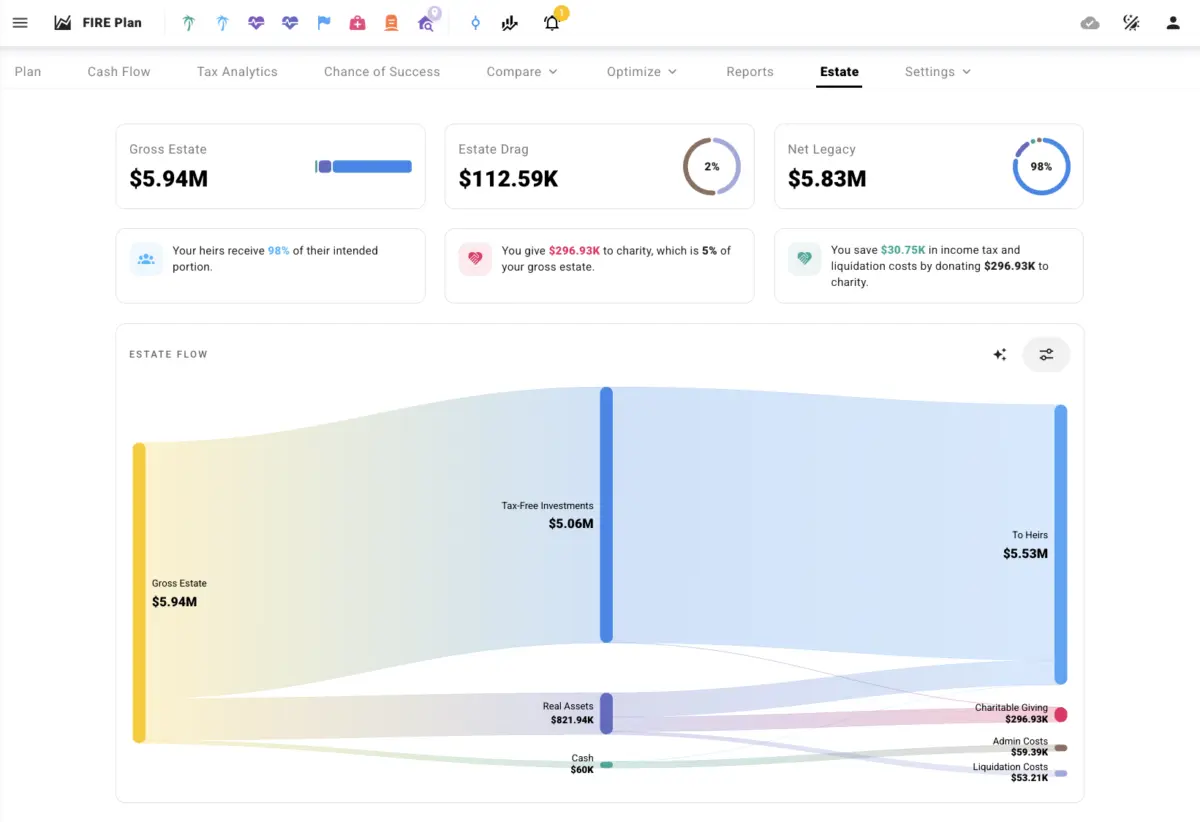
These mental shifts have naturally increased his annual expenditures, leading to a form of lifestyle creep driven entirely by growing assets rather than sudden salary raises. Unlike traditional lifestyle inflation, which can leave individuals vulnerable if they lose their jobs, asset-driven spending increases feel secure and sustainable indefinitely. By utilizing a percentage-based withdrawal strategy, gradual expansions in portfolio value translate into permanent, inflation-adjusted increases in real spending power. This philosophy inspired him to develop Wealth Machines, a software tool designed to help individuals better track and utilize surplus wealth to enhance their present-day lives, rather than hoarding assets exclusively for a distant future.
Along with a more relaxed approach to spending, simplicity has overtaken optimization as his primary financial philosophy. Early in his journey, tax optimization and complex maneuvers like backdoor Roth contributions were central to his strategy. Today, however, he values peace of mind over marginal financial gains, eliminating complicated procedures and individual stock holdings from his portfolio in favor of straightforward, low-maintenance funds. The only major portfolio adjustment he recently executed was reducing overall risk by allocating approximately 10% of his net worth into 30-year Treasury Inflation-Protected Securities (TIPS). Offering a historically high real yield of nearly 3% and maturing around the time standard retirement-age required minimum distributions begin, these inflation-adjusted bonds provide a secure financial floor for his seventies and beyond.
With his financial structure comfortably operating on autopilot, his focus has shifted toward maximizing the next fifteen years—a period he recognizes as the peak window of his life, while his parents, his wife’s parents, and his grandmother remain healthy, and his children are still young and eager to spend time together. To make the most of this era, he and his family are actively researching potential locations to establish a long-term home base. Their goal is to create a property with a strong sense of community and "gravity"—a welcoming environment in a walkable, beautiful area that will naturally draw their children back to visit as they grow older.
Reaching this stage has also introduced an entirely new psychological challenge: navigating life without long-term financial or career goals. For his entire adult life, structured objectives served as his primary motivator. Now, having successfully achieved the long-term freedom that financial independence was designed to provide, he finds himself in uncharted territory. Rather than focusing relentlessly on future planning, he is learning to prioritize present-day enjoyment, focusing on memories with his family, being a present husband and father, and engaging in activities he genuinely loves, such as playing tennis. As he marks ten years of post-FI life, he embraces this new chapter of living entirely in the moment, ready to see what the next decade brings.