


As communities gather to observe Labour Day, the annual holiday offers a traditional moment to honor the contributions of the workforce while taking stock of broader economic and social shifts. Against a backdrop of ongoing global trade tensions and systemic economic strains, the day serves as both a celebration of labor and a prompt for deeper reflection on the state of modern economic systems.
Observing the holiday also brings into sharp focus the contemporary state of capitalism. In the current economic landscape of 2026, prevailing financial systems often appear increasingly strained, frequently drawing criticism as vehicles for high-level corruption and systemic imbalance. Observers and citizens alike are left looking toward the future, expressing a common hope that economic pendulums might soon swing back toward greater equity and stability. Compounding these domestic and systemic reflections are the long-term reverberations of ongoing global trade wars and associated geopolitical conflicts, which economists warn will continue to leave their indelible marks on international markets and local communities alike for years to come.
Beyond its economic and political weight, the September holiday marks a familiar cultural turning point, signaling the definitive close of the summer season. For many, Labour Day acts as an unofficial countdown to the autumn months and the rapid approach of the winter holiday season. For anyone requiring immediate proof of this commercial transition, a brief visit to a local retailer like Costco provides an unmistakable reminder, where holiday displays routinely appear months in advance of the actual festivities.

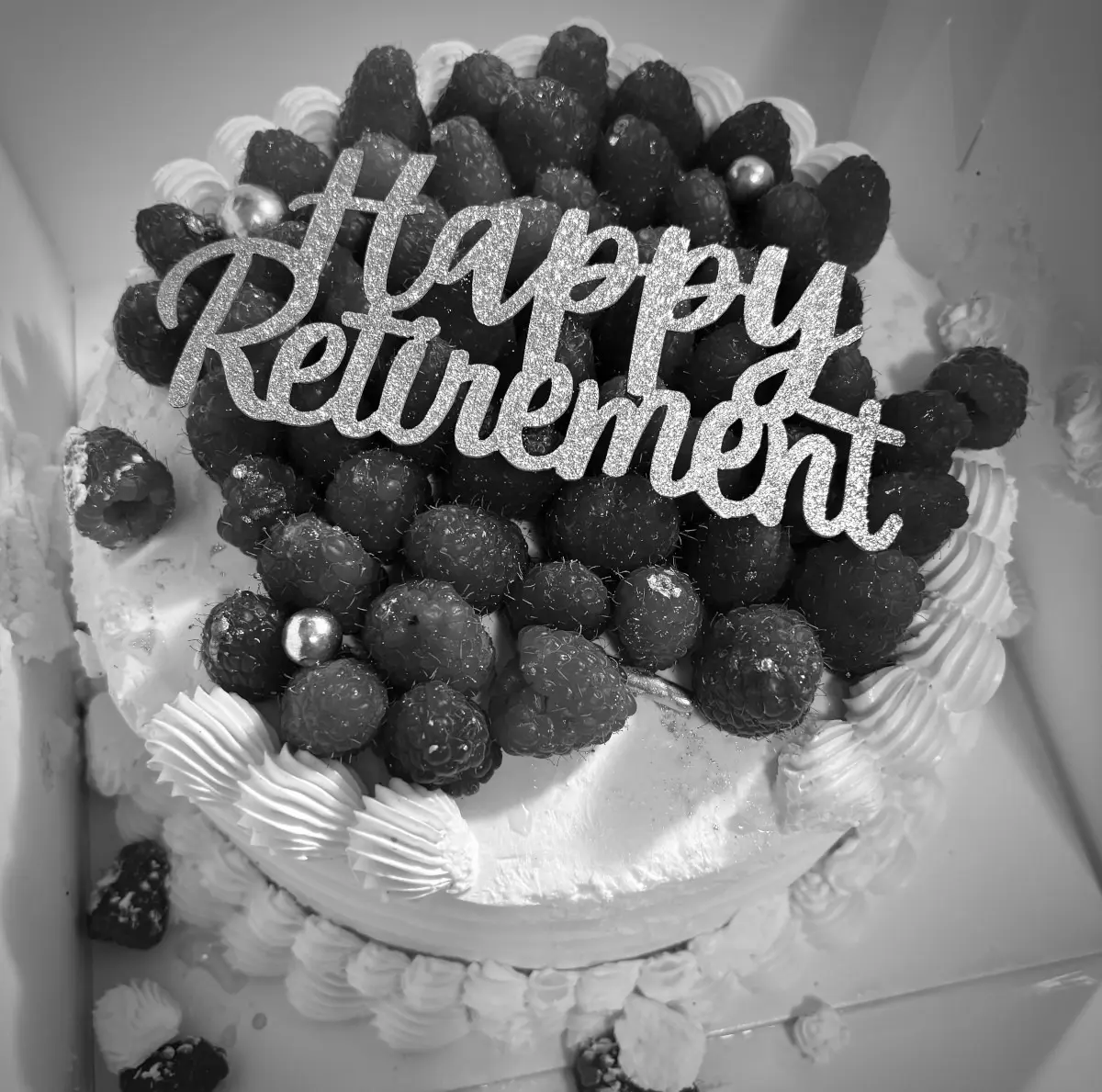
For individuals navigating personal milestones, the holiday also provides space to evaluate personal transitions, such as stepping away from the workforce. The ongoing experience of navigating a modern retirement journey continues to prove both unique and educational. While transitioning out of a career often sparks an abundance of creative ideas and ambitious projects, the translation of those concepts into immediate action requires a different kind of motivation altogether. Adding another layer to this domestic transition is the dynamic of household scheduling; as spouses make independent choices regarding their own professional timelines—ranging from returning to the workforce to opting out of retirement altogether—individual retirement journeys often require personal adaptation and flexibility.
Amidst these shifting daily routines, personal goals such as pursuing creative passions often take center stage. For many retirees, dedicating focused time to visual arts and photographic work offers a productive and engaging outlet. Current creative endeavors focus heavily on exploring diverse subject matter through the lens, capturing everyday scenes and objects as part of an ongoing artistic practice.
Ultimately, the observance of Labour Day remains a complex amalgam of historical appreciation, economic anxiety, seasonal transition, and personal recalibration. As workers and retirees pause to mark the occasion, the holiday underscores the continuous evolution of both societal labor structures and individual life paths in an ever-changing world.