



As communities pause to recognize the contributions and sacrifices of the workforce, this year’s Labour Day arrives against a backdrop of complex economic and geopolitical shifts. Across the globe, workers and analysts alike are taking stock of an international landscape marked by persistent trade tensions and systemic friction. Observers looking at the broader economic picture find themselves questioning the current trajectory of modern capitalism, noting how corporate structures and high-level financial systems frequently seem detached from the daily realities of the laborers who sustain them.
This sentiment finds a reflective echo in historical critique, such as the observations laid out by Karl Marx in Das Kapital. Marx famously wrote regarding the structural limits of economic systems, noting that the centralization of the means of production and the socialization of labor eventually reach a point where they become fundamentally incompatible with their capitalist framework. While penned in a vastly different era, that theoretical tension resonates with contemporary debates surrounding corporate governance, wealth distribution, and systemic integrity.
Today, as many enjoy a well-deserved day of rest, public discourse frequently turns to the state of modern markets. In the current economic climate of 2026, capitalism often appears to critics as an environment vulnerable to high-level corporate friction and systemic overreach. Many are left hoping for a significant correction—a metaphorical swinging of the pendulum—toward greater economic equity and stability. Adding to these underlying anxieties are the lingering and evolving repercussions of ongoing global trade conflicts and regional military engagements. Economists warn that these large-scale disruptions will continue to leave structural imprints on supply chains, labor markets, and international relations for years to come.
Beyond the realm of high finance and geopolitical strategy, the holiday also marks a distinct cultural and seasonal transition. For many, Labour Day serves as the unofficial boundary line, drawing a definitive close to the warmth and leisure of the summer months while simultaneously signaling the quiet approach of the autumn and winter holiday cycles. For those skeptical of this seasonal creep, proof of the impending retail shift is readily available at commercial hubs across the region. A brief visit to a local warehouse club like Costco offers an immediate reminder that the retail sector wastes no time preparing for the festive season, setting out holiday displays well ahead of the autumn equinox.

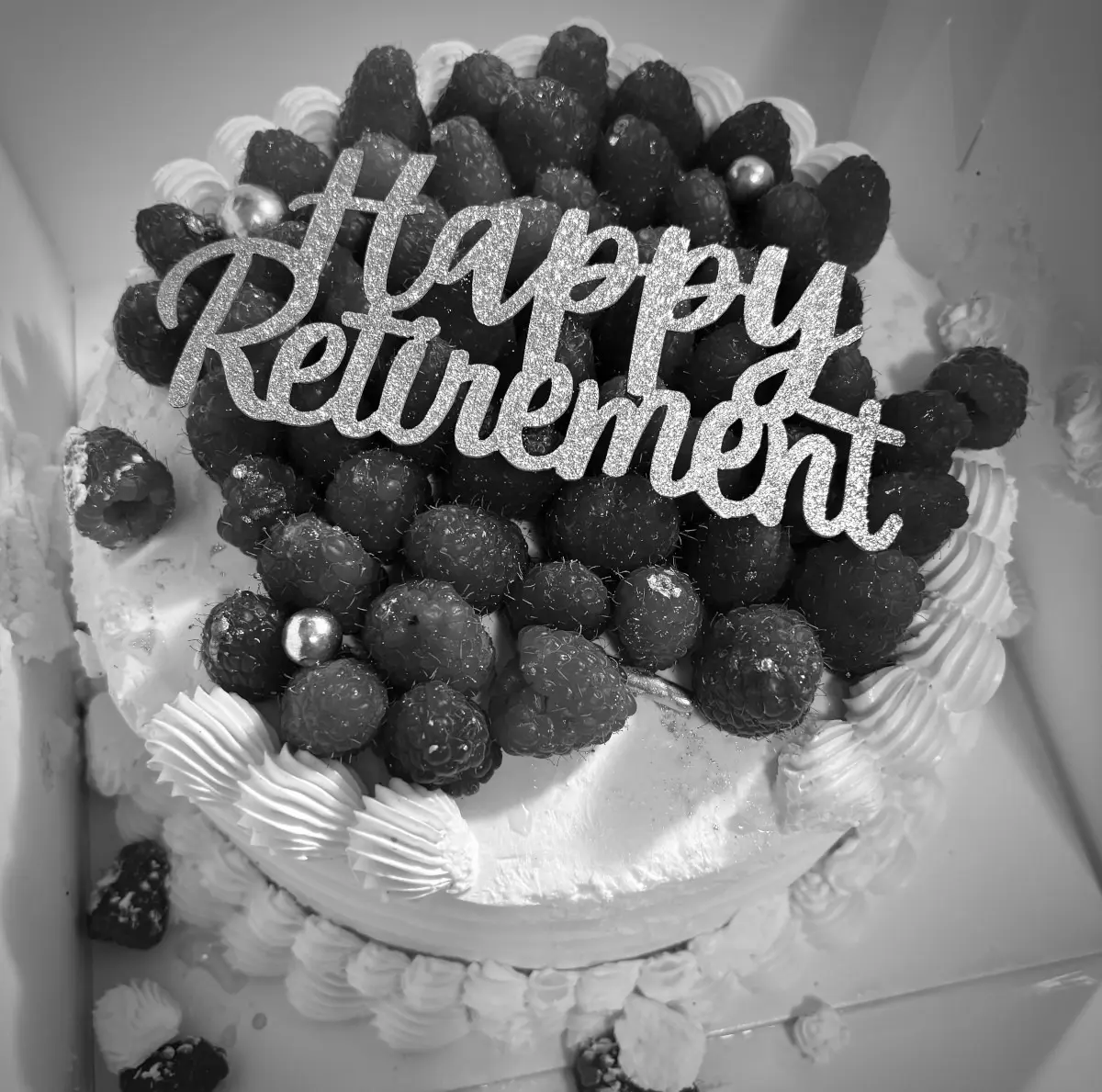
Against this broader societal backdrop, individuals are navigating their own personal milestones, including the often unpredictable transition into post-work life. For one local retiree, the journey into retirement continues to unfold as an ongoing education in leisure and lifestyle management. Describing the transition as an ongoing learning experience, the individual notes that while retirement yields an abundance of creative concepts and ambitious ideas, it often lacks the immediate sense of urgency required to put those plans into motion.
Complicating the traditional retirement narrative further is a shift in domestic dynamics. While one partner expected to share in the quiet rhythms of post-career life, those plans have recently pivoted. The retiree’s spouse has decided to re-enter the workforce, effectively choosing to unretire—or perhaps more accurately, to forego retirement altogether for the foreseeable future. Consequently, the journey into this new life chapter remains a solo endeavor, requiring adjustments to daily routines and personal expectations.
Despite the solitary nature of this current life phase, personal projects and creative pursuits have found new momentum. Chief among these is a renewed dedication to photographic work. With more flexible hours and a deliberate focus on capturing everyday subjects, the pursuit of visual art has taken on a central role in daily routines. Whether experimenting with composition or simply documenting the quiet textures of daily life, the focus remains firmly on exploring new subject matter through the lens.
Ultimately, Labour Day remains a complex occasion—a moment to honor the collective effort of the workforce while navigating personal transitions and confronting the broader economic currents of the modern era. As the season turns and society prepares for the months ahead, the interplay between global economic realities and individual journeys continues to shape the rhythm of daily life.