



For years, the personal finance community operated under the assumption that reaching Financial Independence (FI) meant the puzzle was permanently solved. Once the spreadsheets balanced, the savings rate hit its target, and the corporate 9-to-5 was officially abandoned, the narrative usually went quiet. Few figures embodied this disciplined pursuit quite like Brandon, widely known as the Mad Fientist, who stepped away from his professional career in August 2016 and meticulously documented his early retirement through annual reflections.
However, in 2021, those annual updates abruptly stopped. Believing he had cracked the code of post-work life and slipped into a standard routine, he chose to halt the series, wondering if he had anything meaningful left to offer an audience chasing the same milestones.
Now, breaking a three-year hiatus with a milestone eighth-year freedom update, the influential financial independence creator has returned with a surprising realization: he did not have it all figured out after all. In fact, the most profound and challenging phase of his journey has unfolded entirely out of the public eye over the past thirty-six months.
The Great Paradigm Shift: Learning How to Spend
The most striking revelation from his return is a fundamental psychological pivot that many aggressive savers rarely anticipate. For nearly a lifetime, the core objective was accumulation—saving, investing, and ruthlessly hoarding capital while treating spending as an absolute last resort. In the traditional FI mindset, every dollar spent represents a reduction in future security and a delay in freedom.
Transitioning from a lifetime of accumulation to actually utilizing that capital has proven to be an unexpected mental challenge, yet one that has brought profound joy. Rather than viewing money strictly as a shield against future uncertainty, he has begun learning how to leverage it to actively enrich his daily existence. This transformation has been underscored by a major milestone: homeownership.
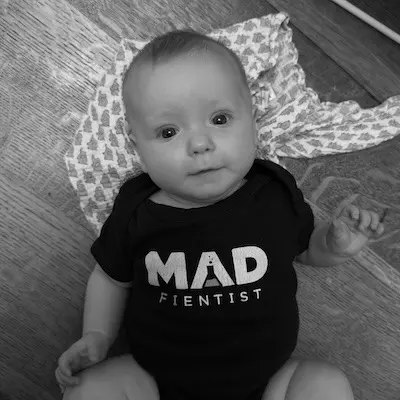
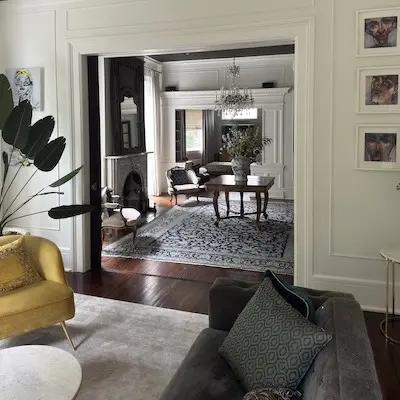
Having sold their previous home in 2014, Brandon and his wife spent years happily renting, prioritizing flexibility and avoiding the constant maintenance and unexpected expenses that traditionally plague homeowners. But the arrival of their son fundamentally altered their priorities. Desiring stability, a permanent place to put down roots, and an end to annual relocations, the family purchased a stone house in the countryside.
While owning homes in Scotland in 2005 and Vermont in 2011 left him scarred by the financial stress of unexpected repairs during his intense savings years, homeownership this time around has been a liberating experience. Backed by a secure financial foundation, unexpected maintenance costs no longer trigger anxiety. Instead, the property has become a canvas for personal joy, highlighted by a meticulously designed home studio equipped for both audio and upcoming video projects.
This newfound comfort extends beyond real estate into physical possessions. Long accustomed to minimalist, furnished rentals where personal belongings were kept to a bare minimum to ease the friction of moving, he has embraced the psychological benefits of acquiring quality goods. Items that enhance daily routines—from a high-end coffee grinder and premium sound systems to surround-sound speakers integrated throughout the house—have demonstrated that material objects, when chosen deliberately, can measurably increase day-to-day happiness.
Redefining Wealth Through the Lens of Time and Experience
Reflecting on the mechanics of financial independence, Brandon notes that reaching the milestone often feels entirely theoretical. A brokerage account balance ticks upward, and a software dashboard gives the green light to stop working, but the actual utility of the wealth remains abstract until it is actively deployed. Cashing out a portion of a portfolio to purchase a home provided the first tangible confirmation of the wealth he had accumulated over decades of disciplined saving.
Yet, the realization of what wealth is truly meant to achieve goes far beyond real estate transactions. Drawing inspiration from conversations surrounding the philosophy of "Die With Zero," he emphasizes the importance of utilizing wealth during one’s lifetime rather than simply letting it compound indefinitely for an eventual inheritance or charitable donation at the end. The central question has shifted from asset accumulation to ensuring the party happens while one is actually there to enjoy it.
This philosophy has also cast past investments—both financial and personal—in a new light. Decades of prioritizing physical health are now paying dividends, allowing him to keep pace with a high-energy toddler in his early forties. Long-standing relationships with friends and a 22-year partnership with his wife have proven to be the most valuable assets of all, prompting new strategies for using financial freedom to deepen those connections. Rather than brief visits, future plans include renting spaces in cities where close friends reside to spend extended blocks of time living alongside them each year.
The Hazards of Stock Picking and the Wisdom of Simplicity
Amid personal reflections on lifestyle and spending, the update also touched on the realities of investing beyond broad-market index funds. While standard financial wisdom warns against the dangers of picking individual stocks—where failure leads directly to underperformance or outright loss—success stories carry their own unique complications.
Recalling investments made around 2012, Brandon highlighted two prominent examples: buying early shares in Nvidia as a software developer anticipating the rise of graphics processing, and purchasing Apple stock when it traded near its cash value. While both picks yielded massive fundamental successes, neither scenario played out ideally. Selling Nvidia early meant missing out on thousands of percentage points of subsequent growth, while holding Apple in a taxable account created an oversized, tax-heavy position that now dominates his portfolio far beyond his intended asset allocation targets.
These experiences reinforced his commitment to passive indexing. Letting a diversified portfolio of index funds compound quietly in the background, without the psychological burden of monitoring individual equities or triggering massive capital gains taxes, remains the simplest and most effective path forward.
Looking Ahead
As the Mad Fientist looks to the future, the lessons learned over the past three years are set to shape a new wave of content, including a forthcoming deep dive into the mechanics of learning how to spend and a modern reimagining of his classic "Perfect Life" essay written before reaching FI.
Reflecting on the community he has built over the years, he expressed deep gratitude for an audience that remains engaged despite intermittent publishing schedules. By prioritizing readers and listeners over monetization and clickbait, the long-term investment in genuine human connection has ultimately proven to be the most rewarding outcome of all.