




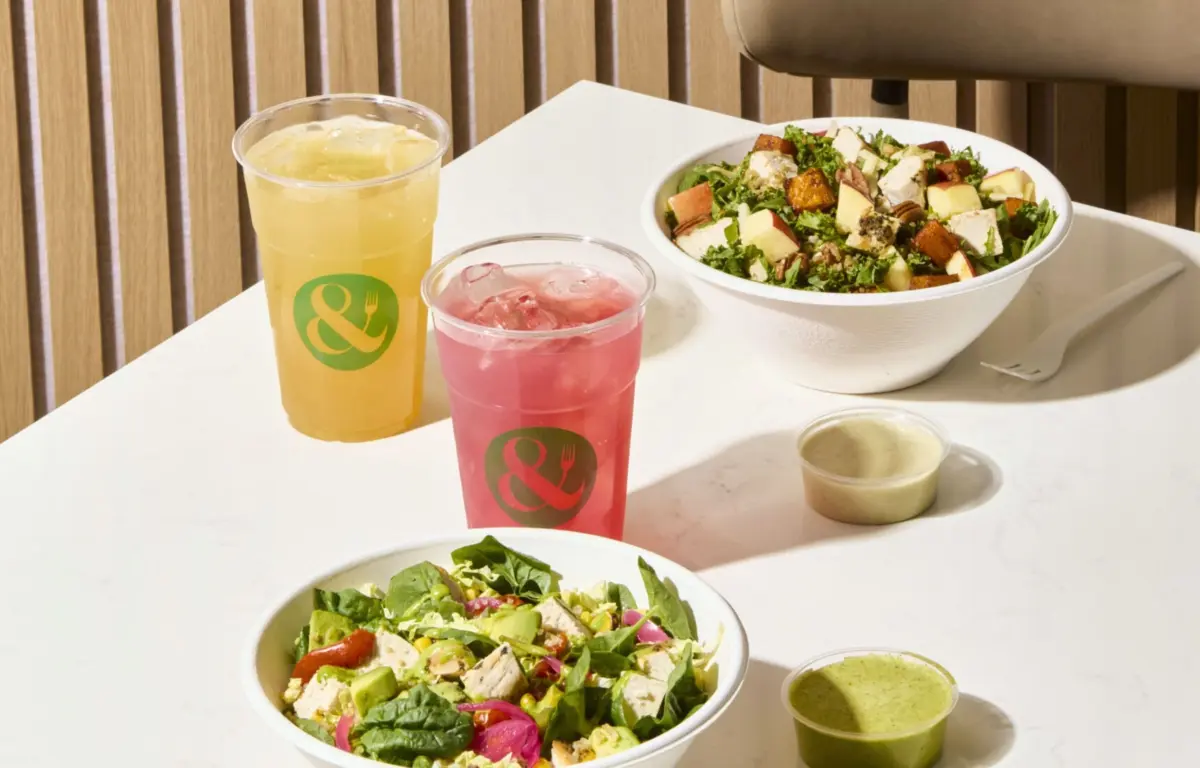
The landscape of the fast-casual restaurant industry is undergoing a significant shakeup as Minneapolis-based healthy eating brand Crisp & Green makes a major play for rapid expansion. In a strategic move that bypasses traditional, time-consuming real estate development, Crisp & Green has agreed to acquire 33 established restaurant locations operating under the MAD Greens and Snappy Salads banners. The properties were previously owned by Salad Collective, the restaurant group operated by the renowned Coors family, best known for their historic legacy in the brewing industry.
While the financial terms of the transaction have not been publicly disclosed, the implications of the agreement are substantial for both brands. Crisp & Green, which currently operates approximately 60 locations across its network, plans to systematically convert the newly acquired MAD Greens and Snappy Salads restaurants into its own flagship brand over time. This massive portfolio acquisition, combined with the company’s already robust pipeline of previously planned openings, is expected to propel the fast-casual chain past a major corporate milestone, bringing its total footprint to 100 operating restaurants by the end of 2026. This rapid scaling comes exactly a decade after the company was first founded.
For the Coors family and Salad Collective, the deal does not represent a complete exit from the healthy dining sector. As part of the agreement, the Coors family will remain closely involved in the brand’s future trajectory by staying on as a strategic minority partner. This ensures a measure of continuity while allowing Crisp & Green’s leadership team to assume full operational control of the newly acquired real estate and restaurant infrastructure.
The acquisition serves as a masterclass in modern restaurant scaling, offering a faster alternative to ground-up expansion. Finding prime retail real estate, securing construction permits, navigating supply chain bottlenecks for restaurant equipment, and building a customer base from scratch can take years for a growing brand. By purchasing an existing portfolio of 33 operational units, Crisp & Green instantly inherits established footprints, trained local workforces, and existing customer habits in key regional markets, drastically cutting down the timeline required to achieve a century-store presence.
Beyond simply increasing the sheer count of restaurants, the strategic transaction significantly deepens Crisp & Green’s market penetration in several key metropolitan areas. The newly acquired MAD Greens and Snappy Salads units are strategically situated in high-growth, high-demand urban and suburban markets, including Phoenix, Austin, Denver, and Dallas. These regions have experienced tremendous demographic growth and corporate migration in recent years, making them highly lucrative territories for health-conscious, fast-casual dining concepts.
The expansion strategy pursued by Crisp & Green stands in stark contrast to the traditional playbook utilized by many contemporary restaurant chains. While numerous fast-casual concepts prioritize establishing a coastal presence early in their lifecycles—often focusing heavily on hyper-competitive markets like New York City, Los Angeles, and other major coastal hubs—Crisp & Green has deliberately charted a different course. Founder Steele Smiley has steered the company with a focus on the heartland and the middle of the country, where he and his executive team believe healthy dining chains face significantly less market saturation and direct competition.
According to Smiley, consumer demand for fresh, nutritious, and wholesome food is a universal modern preference that is by no means geographically restricted to the nation’s coasts. By planting deep roots in the interior markets of the United States, the brand has been able to cultivate a loyal, recurring customer base without getting immediately bogged down by the astronomical overhead, fierce hyper-local competition, and logistical complexities typical of coastal metropolitan real estate markets.
This measured yet aggressive regional strategy has been financed entirely on the company’s own terms. Unlike many fast-casual startups that rely heavily on institutional venture capital funding, massive private equity buy-ins, or debt-heavy expansion models, Crisp & Green has achieved its impressive trajectory through a combination of company-owned stores, a thriving franchise network, and capital sourced from friends and family. This bootstrapping and independent financial foundation has allowed the leadership team to retain creative and strategic control over the brand’s identity, menu evolution, and operational philosophy as it prepares to integrate dozens of new locations into its expanding portfolio.
As the restaurant industry continues to adapt to changing consumer habits, rising operating costs, and shifting real estate dynamics, consolidation through strategic acquisitions like this one may become an increasingly popular route for mid-sized chains looking to scale efficiently. For Crisp & Green, taking over the MAD Greens and Snappy Salads locations represents a transformative leap forward. By absorbing established infrastructure from a respected operator like the Coors family’s Salad Collective, the Minneapolis-based chain is well-positioned to cement its status as a major national player in the fast-casual health food sector, all while maintaining the regional focus that fueled its initial success.