




After a four-week absence from market commentary, financial analyst Mark J. Lundeen has returned with a cautious outlook, predicting potential downside action in the coming year following the outcome of the American mid-term elections held on November 3rd. With the political landscape shifting and markets currently resting on valuations far removed from historical norms, the stage appears set for heightened volatility as 2026 transitions into 2027.
Lundeen’s return comes at a time when major stock market indices, including the Dow Jones Industrial Average, continue to hover near their all-time highs while simultaneously displaying early warning signs of systemic strain. Reflecting on his decision to step back in mid-October, Lundeen noted that his market prediction—anticipating little fundamental change prior to the congressional elections—proved accurate. Now, with the political balance of power set for the next two years, attention shifts entirely to how economic policy, corporate debt, and speculative exuberance will intersect.
The broader macroeconomic environment remains fraught with underlying tensions. Lundeen points to the lofty valuations currently characterizing both the stock and real estate markets, which he argues are inflated far beyond rational economic fundamentals. This disconnect between paper wealth and underlying value forms the basis of his anticipation for a significant bear market to materialize by 2027, if not sooner.
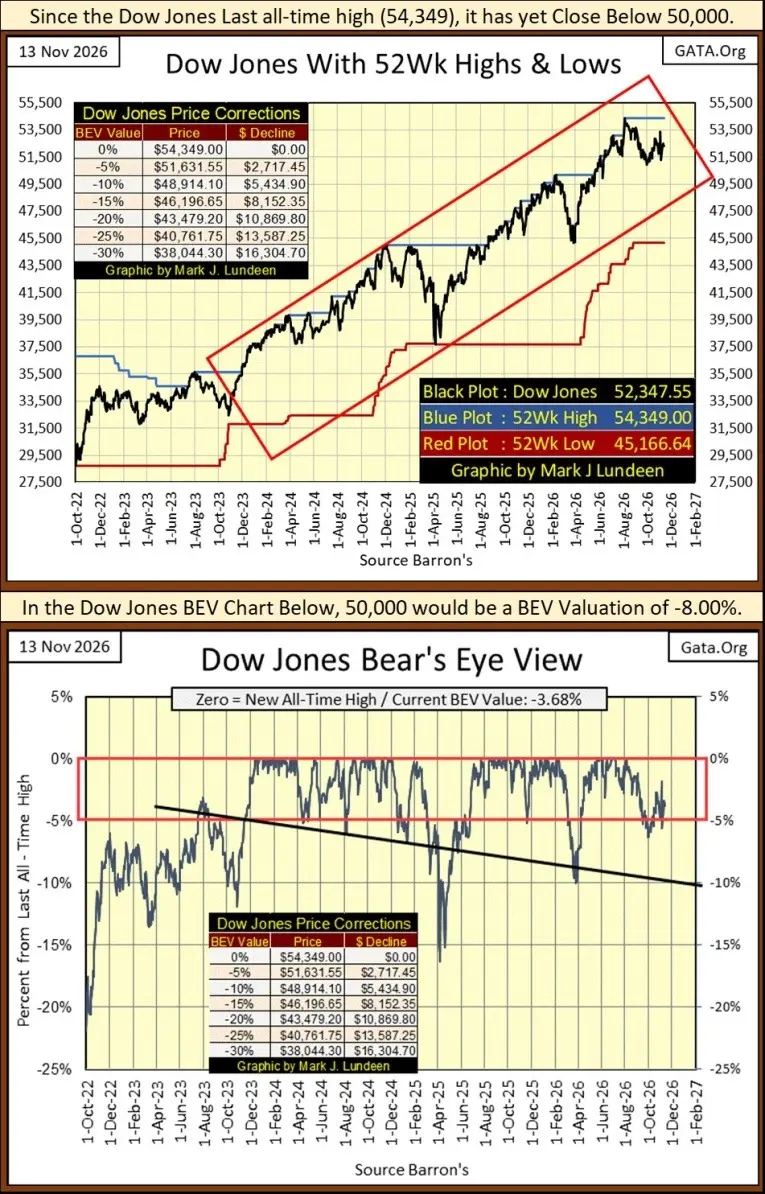
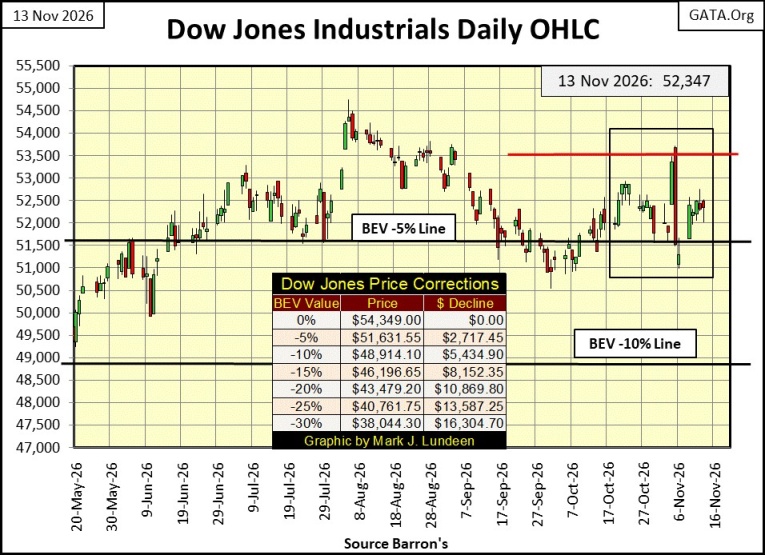
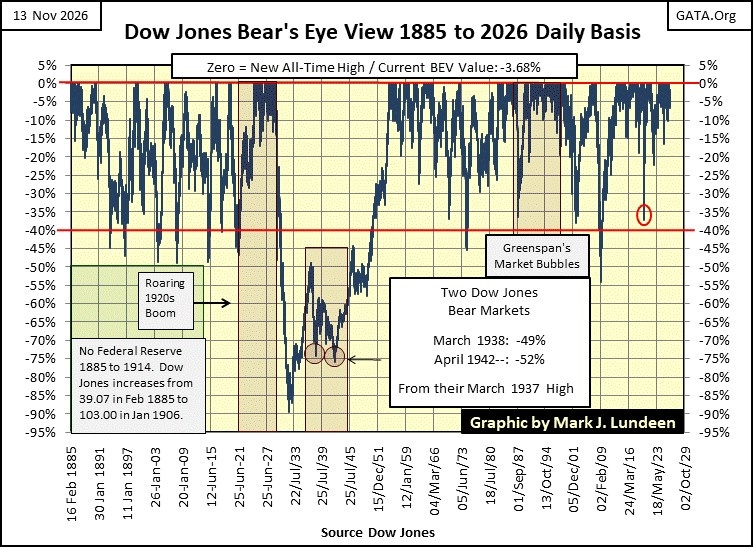
Looking closely at the Dow Jones Industrial Average, market action since its last all-time high on August 5th has largely resembled a standard correction rather than a catastrophic meltdown. As of the close of trading for the week, the Dow remained within striking distance of its peak, sitting less than 5% below its all-time high with a Bear’s Eye View (BEV) reading of -3.68%. While the index has experienced a few daily closes below the crucial -5% scoring position threshold over the past three months, the majority of sessions have remained firmly entrenched in bullish territory.

However, every prolonged market advance eventually encounters its Terminal Zero—the point at which the final all-time high of a cycle is established. With the current advance having originated around November 2023, the market has maintained an unusually lengthy tenure near its highs. The volatility surrounding the mid-term elections vividly illustrated how quickly sentiment can shift. On November 4th, the day immediately following the elections, the Dow Jones experienced a sharp day of extreme volatility, surging 3.03% from the previous session’s close. That optimism proved short-lived, as the very next day saw the index reverse course with a 3.33% decline.
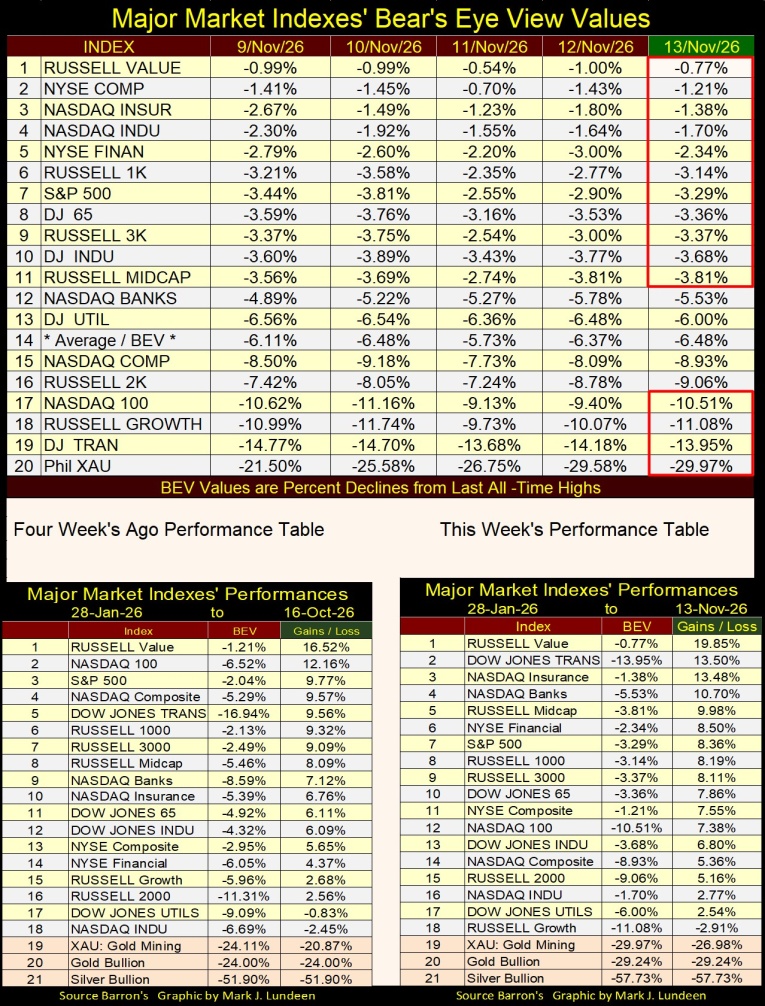
While individual volatile sessions do not automatically confirm the onset of a massive bear market, historical precedent suggests that significant downturns frequently begin with sudden, unexpected spikes in daily volatility. A broader examination of major market indices reveals a similar cooling trend. While a handful of indices continue to register new all-time highs, the widespread momentum seen during the summer months has visibly waned. Eleven major indices managed to close within scoring position—less than 5% from their respective peaks—indicating that a broad market meltdown is not currently underway. At the same time, the number of indexes registering double-digit BEV values, sitting more than 10% below their all-time highs, has grown to four, signaling localized weakness beneath the surface.
Among the sectors showing greater distance from their peaks is the XAU index, which tracks gold and silver mining equities. Despite trailing their all-time highs by more than 10%, precious metals miners represent a notable exception in an otherwise overvalued financial landscape. Lundeen observes that the valuations of gold and silver miners are among the few remaining uninflated segments of the market, suggesting that the wholesale liquidation and flight from deflationary pressures have yet to impact this particular sector.
Shifting focus to the high-tech sector, the performance tables over the past four weeks reveal a notable downward slide for the NASDAQ Composite and NASDAQ 100 indices. In mid-October, the NASDAQ Composite ranked near the top of performance metrics, but recent weeks have seen it drift significantly lower. These indices are home to the massive trillion-dollar technology giants that have driven much of the broader market’s gains over recent years. Market gravity appears to be slowly pulling these towering valuations back toward economic reality.
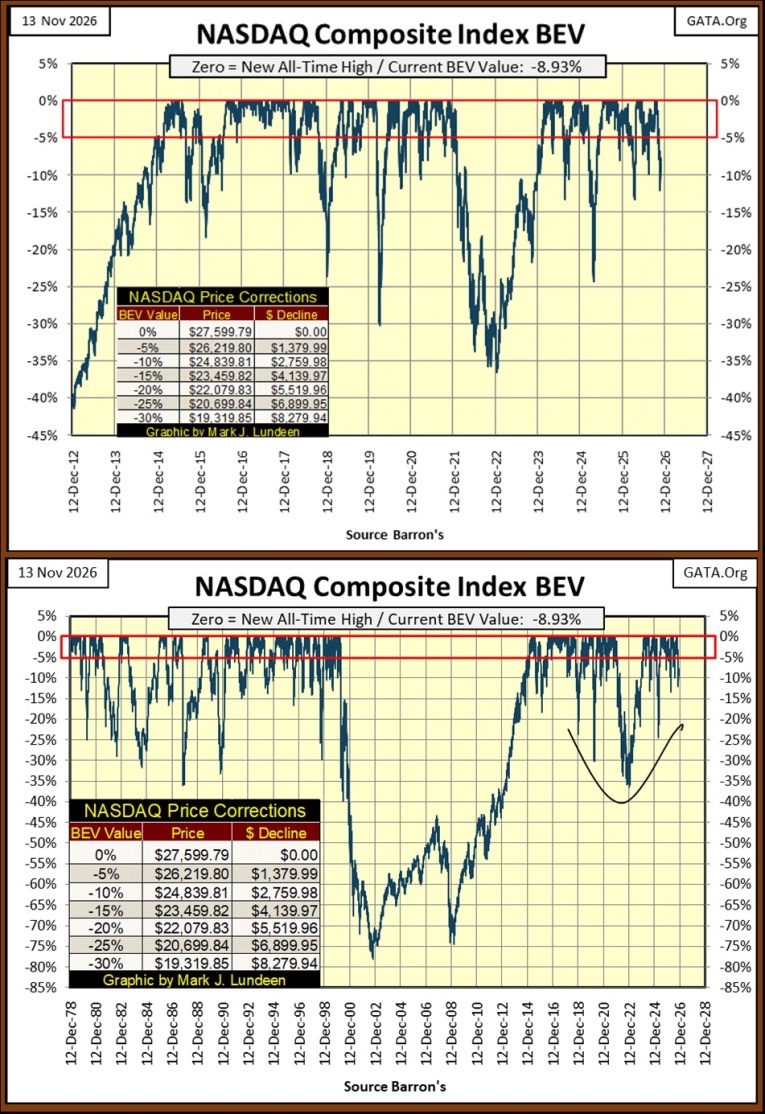
Examining the historical BEV chart of the NASDAQ Composite, which captures the index’s trajectory since its inception in the early 1970s, reveals a pattern of recurring corrections. Since the current advance began in late 2023, the index has navigated four separate 10% corrections alongside a more severe 25% pullback during the summer of 2025. Historical data indicates that outside of the devastating 80% bear market wipeout experienced between 2000 and 2002, the NASDAQ Composite has frequently offered solid buying opportunities whenever its BEV value deflated to the -30% threshold. Treatises assuming that high-tech equities are immune to deep drawdowns typically result in expensive lessons for investors, and current fundamentals suggest another steep decline could be brewing.
The primary catalyst for concern within the high-tech sector centers on corporate balance sheets. Major technology firms have accumulated substantial debt loads to finance aggressive artificial intelligence infrastructure and development projects. Financial markets are increasingly questioning whether these corporations will generate sufficient cash flow to service such massive obligations in the years ahead. Furthermore, scrutiny has fallen on corporate accounting practices, with concerns raised over whether a portion of this AI-related debt is being kept off balance sheets. Observers draw parallels to historical financial engineering, such as the special purpose vehicles utilized by Enron to obscure embarrassing liabilities from public view, echoing the timeless adage that the more things change, the more they stay the same.
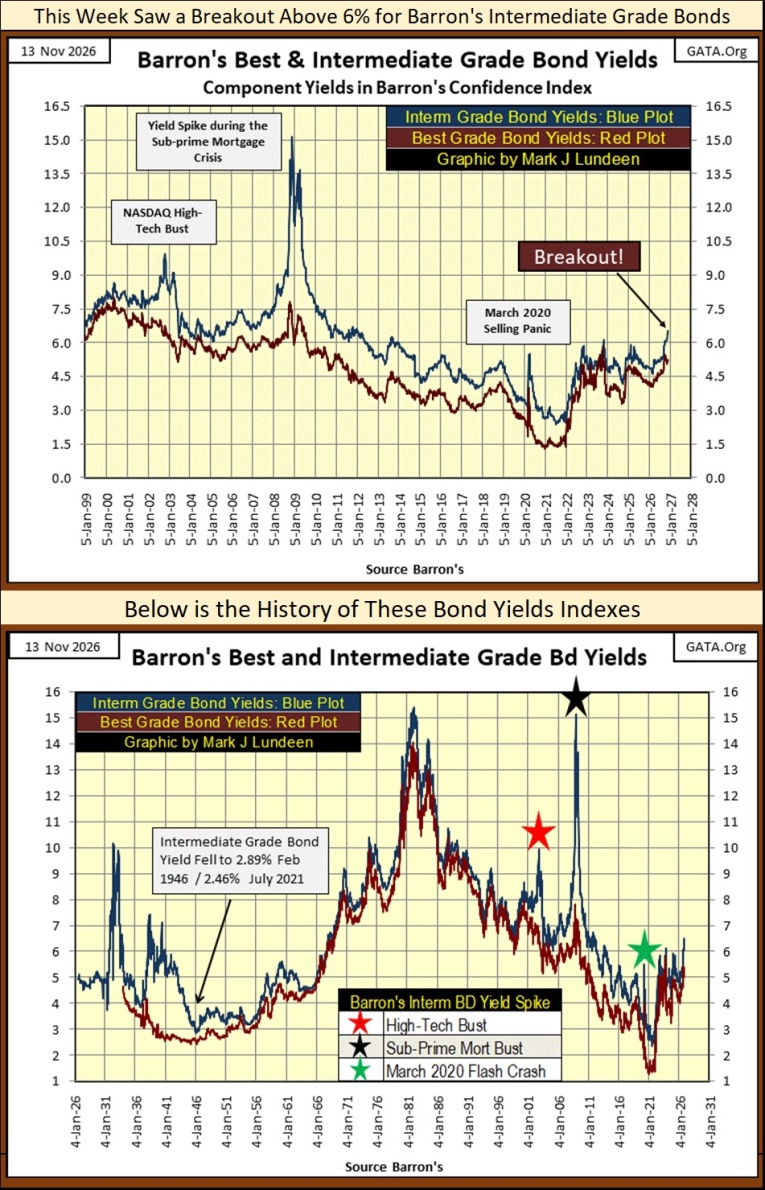
These growing financial anxieties are beginning to echo across corporate debt markets. Barron’s Intermediate Grade Bond Yields recently broke out above the 6% threshold. Historically, rising intermediate corporate bond yields have posed severe headwinds for publicly traded corporations. Reports indicating that bonds issued by prominent AI-focused companies are at risk of sliding into junk-grade status underscore the mounting credit risk facing trillion-dollar enterprises.
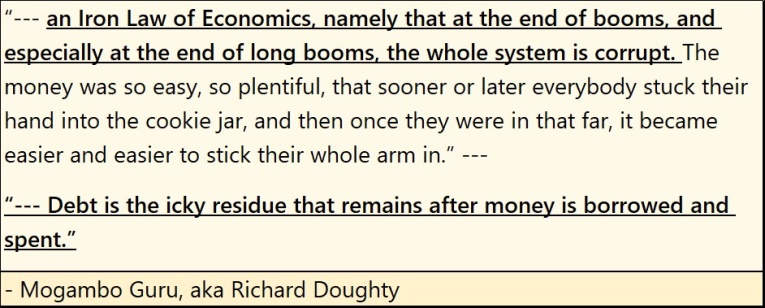
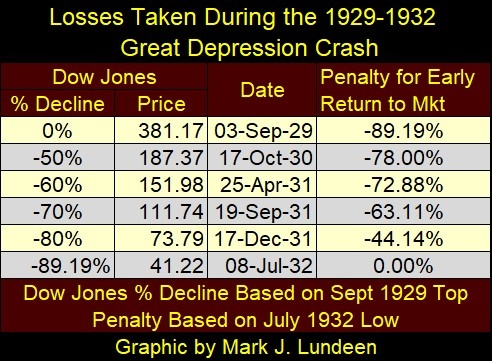
This dynamic bears a striking resemblance to the economic environment of a century ago. The excessive leverage and easy credit fostered by the Federal Reserve during the Roaring Twenties lulled investors into a false sense of security regarding corporate creditworthiness. When the economic tide turned, companies proved unable to service their accumulated debts, triggering a cascading wave of counterparty failures that defined the Great Depression of the 1930s. During that era, defaults rippled through an interconnected financial system, testing the balance sheets of corporations, individuals, and municipalities alike. The Dow Jones Industrial Average ultimately plummeted nearly 89% from its September 1929 peak to its July 1932 trough, demonstrating the destructive power of deflationary bear markets.
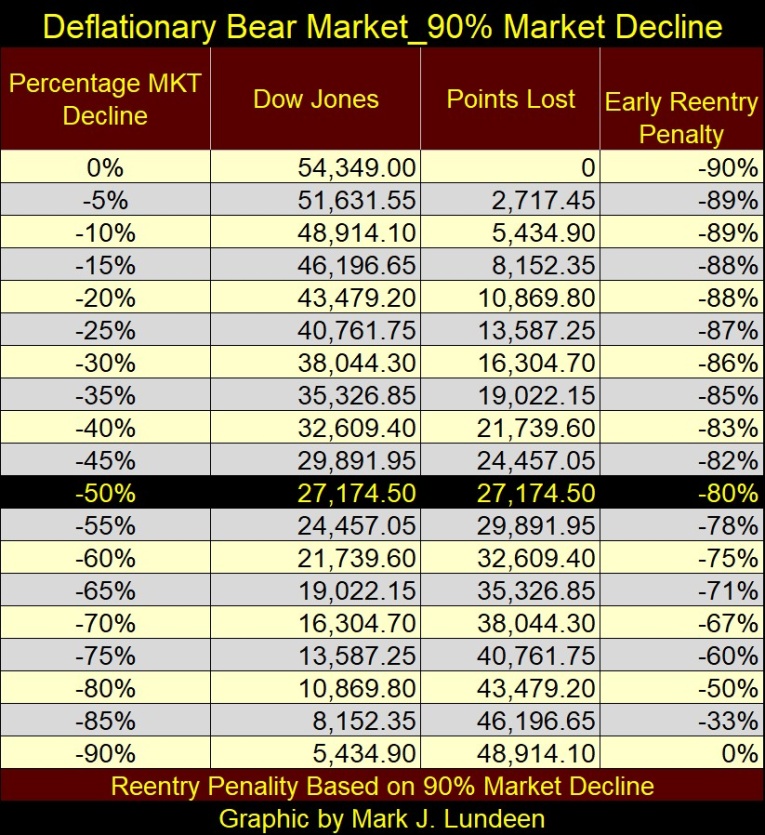
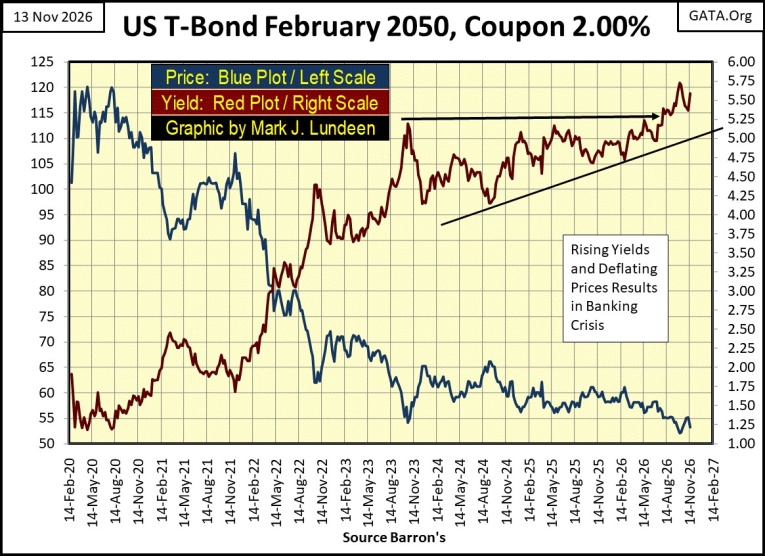
While a 90% market decline remains a theoretical model rather than an explicit prediction for the immediate future, the underlying risk factors involving debt accumulation and rising yields warrant close attention. Long-term Treasury yields, including the 30-year T-bond issued in early 2020, are similarly trending toward yield levels approaching 6%, pointing toward a broader re-pricing of risk across all fixed-income assets.
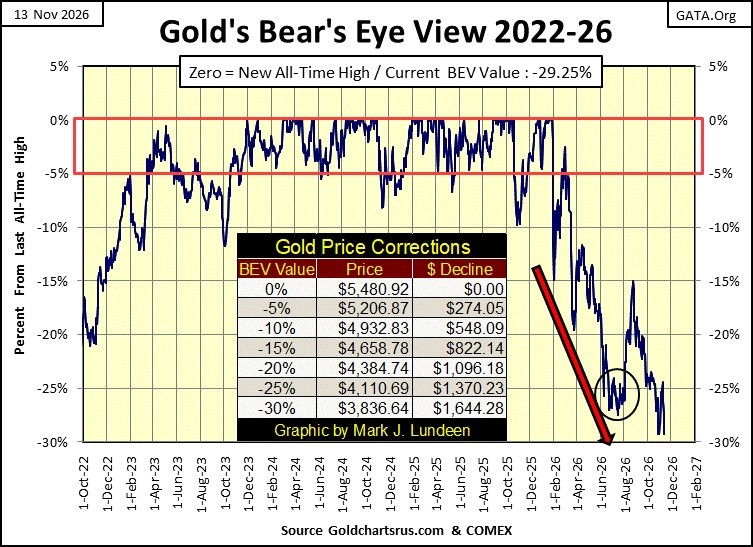
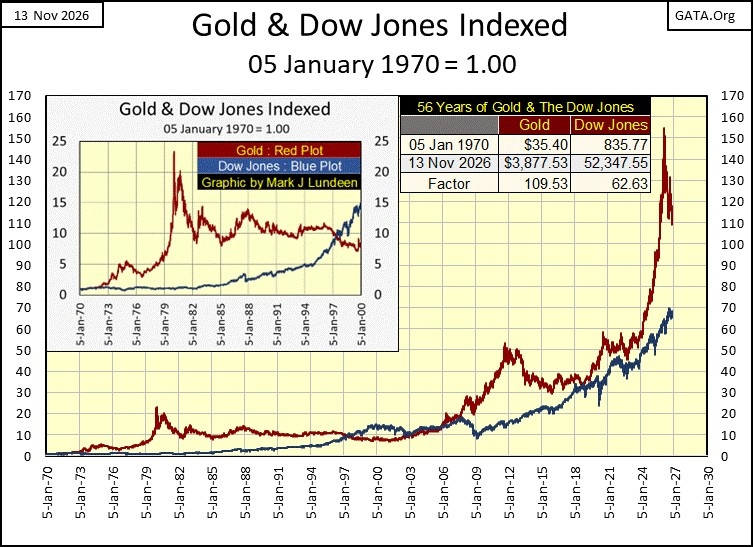
In the precious metals market, gold has experienced a corrective phase following its last all-time high recorded in January. Rather than advancing toward its -10% BEV line as previously anticipated, gold prices have encountered persistent selling pressure, testing levels near the -30% BEV threshold. Despite the downward momentum, historical comparisons between gold and the Dow Jones indicate that gold remains a structurally sound asset relative to an equity market that has avoided meaningful, long-term structural corrections for decades.
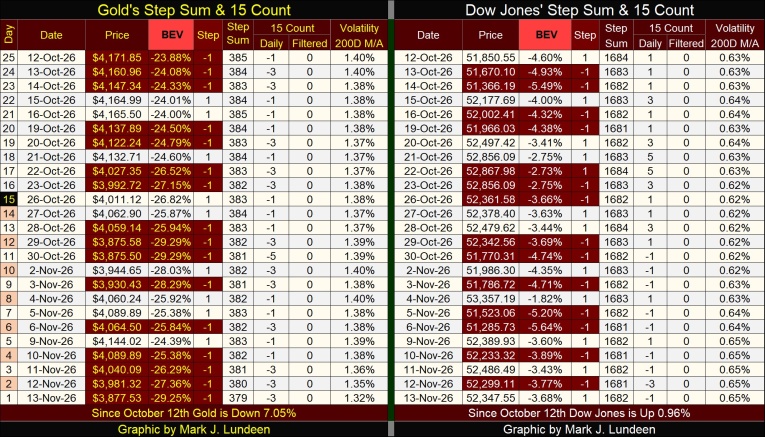
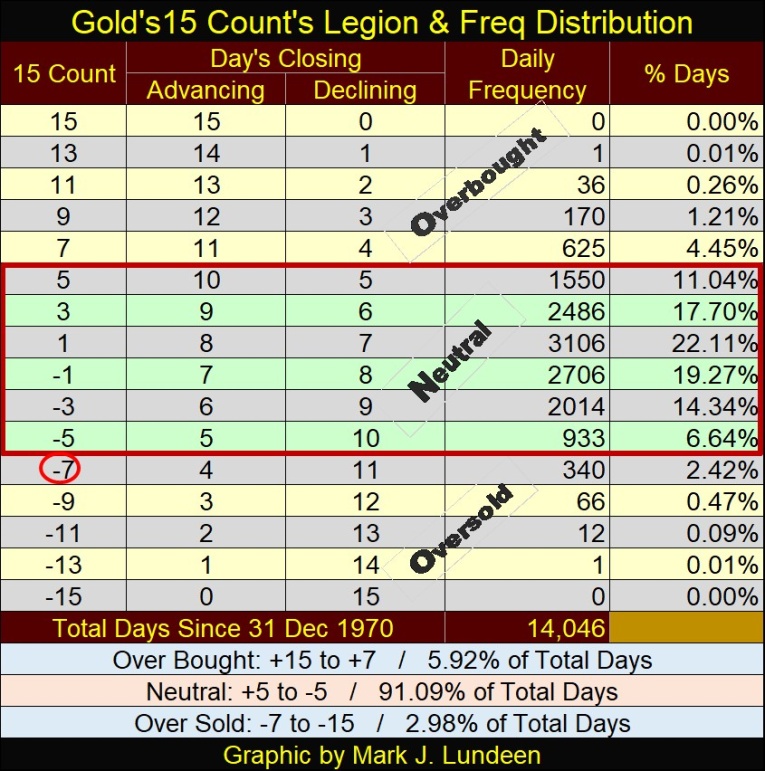
Analysis of gold’s step sum tables reveals a consistent pattern of daily declines over a five-week stretch, reflected in a negative 15-count. While the market has yet to reach deeply oversold conditions—such as a 15-count reading of -7 or lower, which has occurred in only a fraction of trading sessions since 1970—extended selling often serves to exhaust bearish sentiment and establish a durable market bottom. For investors navigating a landscape characterized by inflated equity valuations, heavy corporate debt loads, and uncertain macroeconomic conditions, precious metals and their underlying miners continue to offer a compelling alternative as the financial year draws to a close.