



The cinematic landscape of recent years has offered audiences no shortage of multiversal storytelling, but few films have captured the chaotic intersection of philosophy, science fiction, and modern anxiety quite like the acclaimed feature Everything Everywhere All at Once. Directed by Daniel Kwan and Daniel Scheinert, the movie has struck a profound chord with viewers who find themselves grappling with the overwhelming nature of contemporary life. For many, the film’s bizarre blend of action, absurdist humor, and deep existential inquiry feels remarkably tailored to the complexities of the modern human brain.
The narrative centers on Evelyn and Waymond Wang, a married couple struggling to keep their suburban laundromat afloat while navigating a fracturing relationship with their daughter, Joy. During a tense audit meeting at the Internal Revenue Service, Evelyn is suddenly thrust into an interdimensional conflict. A parallel-universe iteration of her husband informs her that the multiverse—comprising countless alternate realities—is under severe threat from a destructive entity known as Jobu Tupaki. Evelyn soon discovers that she is uniquely positioned to save existence itself, embarking on a sprawling journey that forces her to confront her own deep-seated skepticism and unlock unexpected inner strengths.
For audiences willing to endure its frantic pacing and surreal stylistic shifts, the film offers a rich, layered tapestry that rewards repeat viewing. While some viewers initially struggle with its jarring tonal transitions, those who stay the course find that the narrative’s initial tedium and subsequent madness resolve into a deeply moving exploration of meaning, connection, and resilience.
The film’s resonant themes often mirror the personal ruminations of viewers navigating profound life transitions. Experiences with personal loss and grief frequently push individuals toward a kind of nihilistic nadir—a point of reflection where life can temporarily appear entirely devoid of inherent meaning. Yet, much like the trajectory of the film’s characters, this realization often leads to an empowering counter-conclusion: if life lacks an inherent script, individuals are granted the agency—and the responsibility—to author their own purpose, demonstrating that everyday acts of empathy and kindness carry lasting significance.
This exploration of alternate paths and parallel realities has emerged as a prominent motif in recent cultural works. Matt Haig’s bestselling novel The Midnight Library explores similar territory, trapping its protagonist in a liminal space between life and death where she gets to sample the countless alternate lives she might have lived based on past choices. Together, these works present a recurring philosophical prompt: individuals are rarely permanently bound by their current reality or trajectory. If a particular timeline proves unsatisfactory, the underlying message suggests that the tools to reshape one’s future remain within individual control.
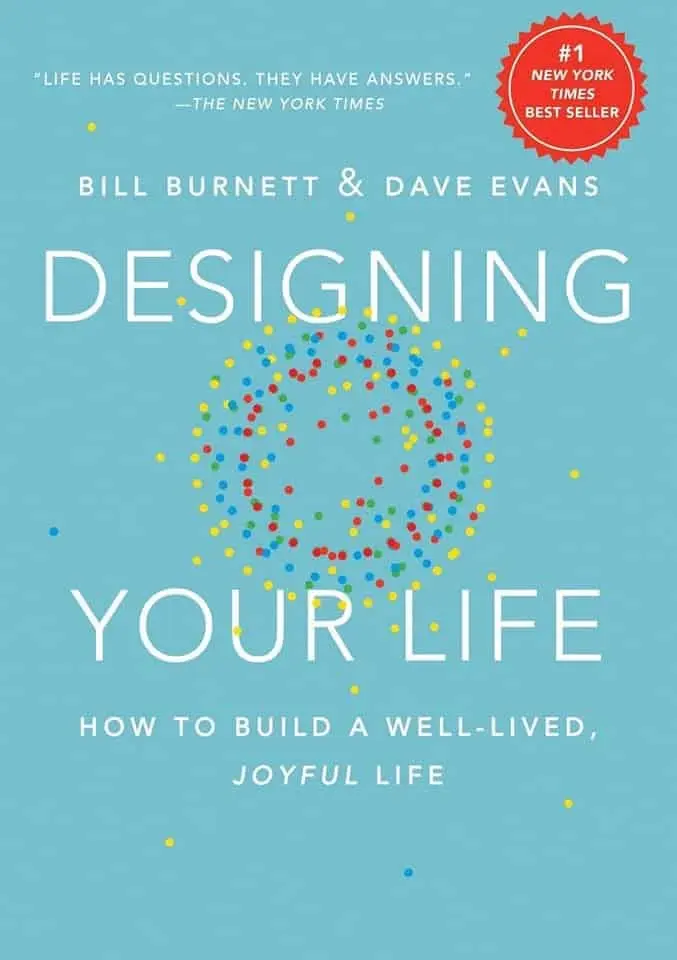
Designing Your Life
Translating this abstract sense of agency into practical, everyday action often requires structured frameworks, a need addressed by career and life-planning literature such as Designing Your Life by Bill Burnett and Dave Evans. Rooted in an innovative Stanford University course developed through the Stanford Life Design Lab, the book applies principles traditionally reserved for product design to the process of mapping out a personal future.
Bill Burnett serves as the executive director of the Stanford Design Program and previously contributed to Apple’s early laptop development team, while Dave Evans co-directs the Life Design Lab and brings experience as an early employee at Electronic Arts. Their core premise is that a well-constructed life is one of coherence—a state where personal identity, foundational beliefs, and daily actions align harmoniously.
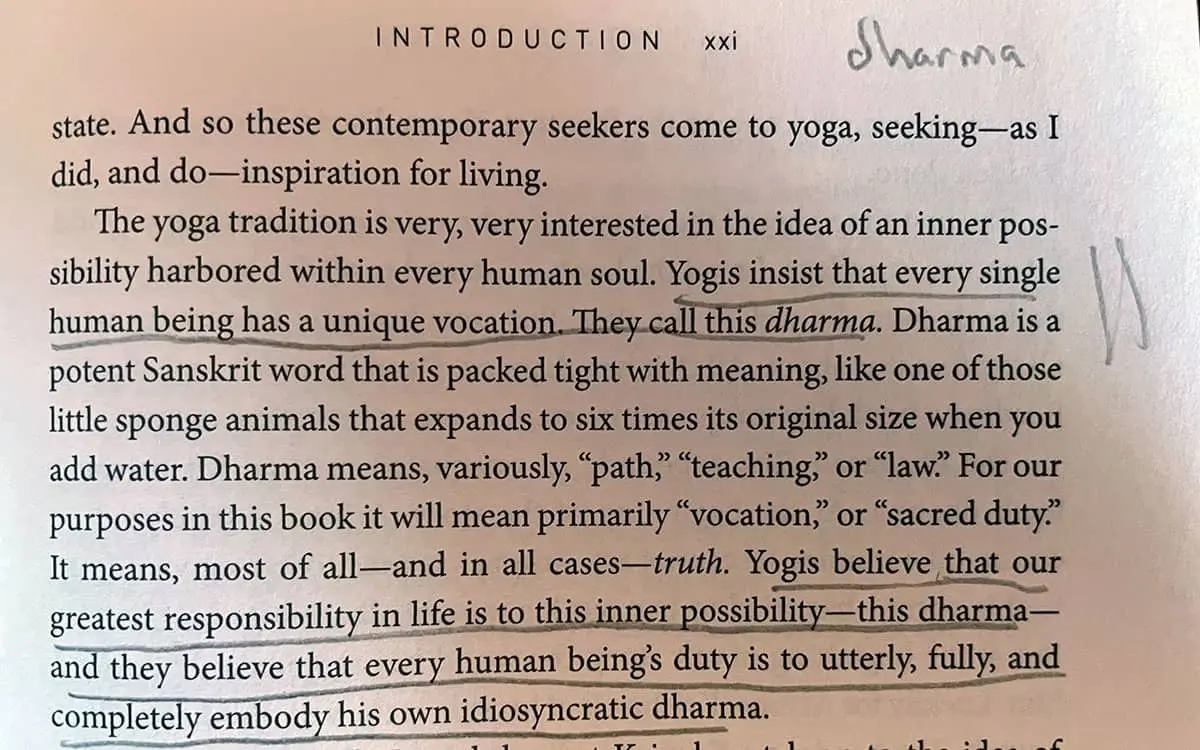
To achieve this alignment, the authors encourage readers to examine their underlying philosophies regarding work and existence. Exercises from the curriculum prompt individuals to draft concise reflections detailing their personal definitions of meaningful labor and a life worth living, encouraging them to analyze how these two perspectives intersect, complement, or conflict with one another.
The Many Versions of You
Perhaps the most compelling exercise within the framework involves confronting the literal and metaphorical multiverse of personal potential. Burnett and Evans argue that individuals will inevitably live multiple distinct lives over the course of a single lifetime, meaning that periods of dissatisfaction do not signal a permanent trap, but rather an opportunity for iteration.
To visualize this potential, the authors introduce the concept of the five-year Odyssey Plan, an exercise that requires individuals to map out three distinct futures for themselves. The first plan typically builds directly upon an individual’s current trajectory, optimizing existing goals and ongoing projects. For professionals engaged in digital publishing or content creation, this might mean refining a platform’s design to prioritize reader experience, eliminating intrusive advertising, and expanding educational formats into dedicated video resources while maintaining a sustainable livelihood.
The second Odyssey Plan asks individuals to envision an alternate path they would pursue if their primary vocation were to suddenly and permanently vanish. For writers and creators, this often involves pivoting toward community-focused endeavors, such as working closely with hospice care patients or assisting families in preserving oral histories and compiling meaningful life retrospectives. Such work bridges personal talents with community needs, creating enduring keepsakes for future generations.
The third and final Odyssey Plan explores the realm of the absolute pipe dream—what an individual would choose to do if financial constraints and societal expectations carried no weight whatsoever. For creative professionals, this might involve formal art training dedicated to merging lifelong passions, such as illustrating financial literacy concepts through serialized webcomics populated by metaphorical characters that caricature familiar figures within a particular industry.
The Multiverse and Me
Exploring these three divergent futures provides a profound shift in perspective, moving abstract self-reflection into concrete, actionable visions. By evaluating multiple potential pathways that align with core personal values, individuals can systematically construct a more intentional, satisfying existence.
Ultimately, the cultural resonance found in contemporary films, novels, and life-design literature points to a shared realization: the concept of the multiverse extends far beyond the confines of science fiction. By recognizing that reality is shaped by ongoing choices and values alignment, individuals are equipped to navigate uncertainty, embrace iterative growth, and actively author the timelines they wish to inhabit.