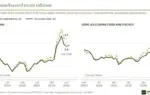





Pending home sales in the United States have plummeted to their lowest level since the National Association of Realtors (NAR) began tracking the metric in 2001. According to recent data shared by Dave Meyer, housing analyst and chief investment officer at BiggerPockets, this historic contraction is not merely a seasonal dip or a localized anomaly. Instead, pending sales fell across all 50 of the country’s largest metropolitan areas, signaling deep-seated economic pessimism, historically low affordability, and the severe strain of high mortgage rates as the housing market heads into a sluggish winter season.
The current landscape marks a stark departure from the steady demand patterns observed over recent years. While the market had cooled from the historic highs seen during the COVID-19 pandemic, demand had remained relatively stable and even showed signs of upward momentum earlier in the year. However, a sharp spike in mortgage rates—pushing averages toward 7.5%—has dramatically altered buyer psychology and purchasing power. The average monthly mortgage payment has climbed by more than 10% over the past year alone, squeezing household budgets and prompting a wave of prospective buyers to step away from the market entirely.
This widespread pullback in demand validates a series of housing market predictions made during the late summer. The projected contraction in transaction volume, combined with falling new listings and rising active inventory, has largely materialized. Yet, despite the grim figures and comparisons to past downturns, market analysts emphasize a crucial distinction between a standard market correction and a full-scale housing crash.
The Anatomy of a Market Correction Versus a Housing Crash
To understand where the housing market is heading, experts point to the behavior of active inventory and new listings. While active listings have risen roughly 5% year-over-year, this increase is primarily driven by homes sitting on the market longer as buyers hesitate to absorb existing inventory, rather than a sudden rush of new sellers flooding the market.
Data shows that new listings actually dropped on a year-over-year basis, indicating that property owners who have the flexibility to stay put are choosing not to sell. This lack of forced selling is viewed as the primary bulwark keeping the current housing correction from devolving into a crash. During the Great Financial Crisis of 2007 and 2008, inventory surged because distressed owners flooded the market with new listings amidst crashing demand. In contrast, today’s market features reduced demand coupled with constrained supply, pointing toward a prolonged stall rather than catastrophic price collapse.
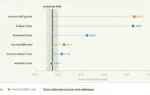
Nevertheless, regional impacts vary significantly. Hard-hit metropolitan areas such as Seattle, San Diego, Atlanta, Denver, and Las Vegas have seen pending sales drop by 20% to nearly 30%. At the same time, home price growth has cooled dramatically. Approximately one-third of the country’s 50 largest markets have seen nominal home prices turn negative, while the vast majority of remaining markets are appreciating at a pace slower than inflation. Only a handful of metropolitan areas, including Chicago, New York, Cleveland, and San Francisco, continue to record growth outpacing inflation.
The Role of Mortgage Rates and Macroeconomic Pressures
The trajectory of the housing market remains tightly bound to the broader macroeconomic environment, specifically the bond market and Treasury yields. Major financial forecasters have adjusted their expectations upward, with institutions like Fannie Mae revising their 30-year fixed mortgage rate projections to average around 7.5% through the coming year. Persistent concerns over national debt, inflationary pressures, and competition from other asset classes, including artificial intelligence-driven investments, have kept bond yields elevated.
Industry observers note that any meaningful relief for mortgage rates will likely depend on specific macroeconomic catalysts. A positive resolution to ongoing geopolitical conflicts could help stabilize global oil prices and ease inflationary pressures, bringing bond yields and mortgage rates down. Alternatively, a broader economic recession typically drives investors away from riskier assets and into safe-haven government bonds, lowering yields and subsequently reducing mortgage rates. Because real estate is historically one of the first sectors to enter a rate-sensitive downturn, some analysts suggest it may also be among the first to recover once affordability improves.
For prospective buyers navigating this high-rate environment, the current market offers distinct advantages. With sellers facing prolonged days on market and increasing competition for a shrinking pool of qualified buyers, negotiating leverage has shifted firmly to the buyer’s side. Analysts advise market participants to underwrite deals based on current interest rates near 7.5%, hunt for motivated sellers offering price concessions, and prepare for a sluggish, highly selective winter real estate landscape.