



As communities gather to observe Labour Day 2026, the annual holiday arrives against a backdrop of complex economic shifts, global trade tensions, and personal transitions. Traditionally dedicated to honoring the contributions and achievements of workers, the holiday prompts a moment of broader reflection on the state of modern labor and the economic structures that govern contemporary society.
For generations, Labour Day has served as both a celebration of the workforce and a critical juncture for examining the socio-economic landscape. In 2026, that examination takes on added weight as observers look at the intersection of corporate power, international trade policy, and the daily realities facing working people.
The mood of the holiday is captured sharply by historical critique, notably a sentiment from Karl Marx’s Das Kapital: “Centralization of the means of production and socialization of labor at last reach a point where they become incompatible with their capitalist integument.” While written in a different era, the underlying critique resonates with contemporary anxieties surrounding corporate consolidation and systemic inequality.
Today, capitalism in 2026 often appears to critics and everyday citizens alike as an institutional framework vulnerable to high-level corruption and widening disparities. As global trade wars and associated geopolitical conflicts continue to reshape international markets, economists and laborers alike note that the friction of these disruptions will leave lasting marks on supply chains, employment security, and economic stability for years to come. Observers across the political and economic spectrum are left watching closely, hoping that market corrections and regulatory shifts might soon prompt a more balanced economic pendulum.
Beyond its economic and political implications, Labour Day also carries profound cultural significance as a seasonal marker. The holiday serves as an unofficial boundary line, signaling the definitive close of the summer months and the transition into autumn. Yet, in modern consumer culture, this seasonal pivot arrives with astonishing speed.
For anyone needing immediate proof of the shifting retail calendar, a brief trip to a local Costco provides a stark reminder. Even as summer temperatures linger in early September, big-box retailers have already rolled out extensive holiday displays, merging the end of summer seamlessly with the early rollout of the Christmas shopping season. It is a commercial tradition that seems to arrive earlier with each passing year, highlighting the relentless pace of consumer cycles even as workers pause to enjoy their statutory holiday.
Random Thoughts for Labour Day

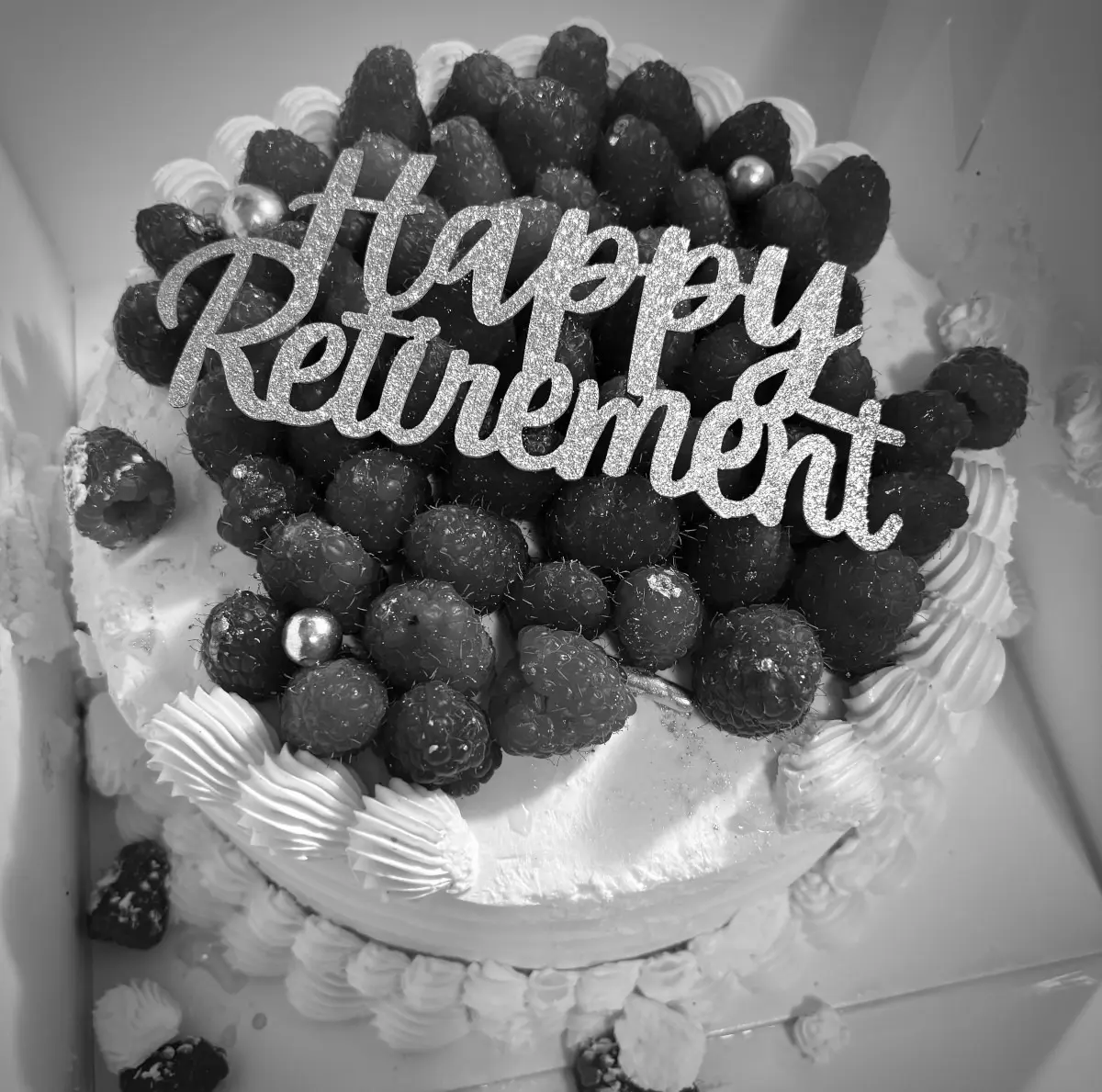
For many individuals, the rhythms of Labour Day prompt introspection not just about public economics, but about private milestones as well. Navigating the modern economic landscape looks vastly different for those who have stepped away from the traditional workforce, though the journey into post-career life comes with its own unique set of adjustments.
The experience of transitioning out of full-time employment is rarely a straight line. For those currently navigating their own retirement journey, the path has proven to be an ongoing educational experience filled with unexpected nuances. While stepping away from the daily grind opens up vast amounts of free time and mental space for long-held ambitions, translating those plans into action requires a different kind of motivation. Having a multitude of great ideas is one thing; finding the daily drive to execute them when the rigid structures of employment are removed is entirely another.
Furthermore, household dynamics often play a significant role in how post-work life unfolds. Plans for a synchronized retirement do not always align with reality. In many households, spouses find themselves on diverging paths regarding their working futures. When one partner decides to unretire—or perhaps more accurately, decides not to retire at all—the anticipated joint journey of leisure and exploration is temporarily altered, leaving the newly retired partner to navigate their solo routine for a while longer.
Retirement Writings So Far in 2026
As the calendar moves through 2026, documenting the psychological and practical shifts of stepping back from the workforce has become a primary focus for many chroniclers of everyday life. The transition involves balancing the loss of professional identity with the discovery of new personal outlets.
Among the various pursuits that tend to flourish during this life stage is the rediscovery of creative hobbies. For many retirees, creative endeavors that were once squeezed into weekends or neglected entirely during peak career years finally receive the attention and time they deserve.
In particular, the pursuit of visual arts and photographic work has seen a renewed emphasis. Whether capturing everyday scenes, exploring natural landscapes, or experimenting with new subject matter, photography offers a structured yet flexible outlet for creative expression. Documenting the immediate surroundings provides a tangible way to engage with the world outside of traditional employment, grounding the retirement experience in mindful observation and artistic exploration.
As Labour Day 2026 draws to a close, the juxtaposition of global economic uncertainty, changing seasonal retail landscapes, and personal milestones like retirement highlights the constant state of flux in modern life. Whether contemplating the broader sweep of labor history or simply adjusting to a quieter household routine, the holiday remains a vital moment for pause, reflection, and preparation for the months ahead.