



For decades, consumer habits have been dictated by a simple, passive paradigm: walk into a store, scan the available inventory, and select the best possible option from what is currently in stock. Whether navigating the physical aisles of a local department store or browsing the endless pages of an online retailer, shoppers have traditionally allowed the marketplace to establish the boundaries of their choices.
However, a growing shift in consumer strategy—dubbed "self-centered shopping"—is turning this conventional model on its head. By defining exact specifications, personal preferences, and utility requirements before beginning a search, consumers are finding significantly higher satisfaction with their purchases, dramatically reducing impulse spending, and escaping the psychological paralysis of the modern retail landscape.
The Evolution from Store-Centered to Self-Centered Purchasing
The traditional approach to acquiring goods relies on what can be described as "store-centered shopping." Under this model, an individual identifies a need for an item—affectionately referred to in consumer theory as a "thneed"—and immediately looks to available vendors to supply it. If the purchase is significant or expensive, the search might expand to a few additional storefronts or websites, but the ultimate selection remains strictly confined to what manufacturers and retailers have chosen to produce and stock.
In the past, this limitation was largely unavoidable. Growing up in a small town in rural Oregon with limited family financial resources, consumer options were restricted to whatever local establishments like Mangus Variety or Parson’s Pharmacy had on hand.
Today, however, the retail environment has transformed entirely. Armed with the reach of the global internet, greater personal patience, and more purchasing power than in younger years, modern consumers are no longer bound by local inventory constraints. Practically any product in the world can be located, provided the buyer is willing to invest the time to track it down. Recognizing this shift, some shoppers have flipped the traditional script entirely: instead of letting the market dictate availability, they determine precisely what they want beforehand and refuse to compromise until they find it.
A Case Study in Everyday Utility: Buying a Wallet
The friction of the traditional shopping method becomes clear when examining routine replacements, such as a wallet. For more than thirty years, the standard replacement cycle followed a predictable pattern: an old wallet wears out or goes missing, a trip to a nearby department store ensues, and the buyer selects the most tolerable option from a display of forty or fifty similar items, living with that compromise for the next half-decade.
When faced with a deteriorating wallet in 2019, the fatigue of this process set in. Recognizing a personal aversion to bulky, traditional leather accessories—preferring instead a minimalist design that avoids excess weight and easily holds a few essential cards without mimicking the famously overstuffed pockets of television characters like George Costanza—the search required a different tactical approach.
An initial encounter with Secrid, a Dutch manufacturer of minimalist, metal-based card protectors, offered a glimpse into alternative designs. While the brand’s core product proved slightly too restrictive, the exposure prompted a shift in strategy. Rather than browsing randomly, a detailed list of requirements was established. A subsequent, cross-platform search across Amazon, outdoor retailer REI, and specialty gear sites eventually led to the travel brand Tom Bihn.
Specializing in compact, highly functional travel gear—such as the widely used Synapse 19 backpack—the company offered a minimalist wallet featuring three pockets at half the weight of competing metal models. By deciding precisely what was needed before conducting the search, the consumer secured an item that felt custom-made, eliminating the typical settling process that leads to buyer’s remorse.
Overcoming the Paradox of Choice
This intentional methodology addresses a well-documented psychological phenomenon known as the "paradox of choice." When consumers are confronted with dozens or hundreds of variations of a single product on a store shelf or web page, the abundance often leads to decision fatigue, anxiety, and post-purchase regret.
Self-centered shopping bypasses this overwhelm. By narrowing the criteria in advance, the consumer often searches until they find the single product that matches their exact parameters, then concludes the search. Without an overwhelming array of alternatives to second-guess, satisfaction levels rise significantly. Furthermore, this deliberate friction serves as a powerful deterrent against impulse purchasing, as most impulse buys stem from a vague, undefined sense of want rather than a precise, verified need.
While this bespoke approach can occasionally carry a higher price point, proponents argue that the investment pays off in durability, functionality, and daily pleasure. As consumers age, tolerance for poor quality diminishes, particularly for items used on a daily basis. The goal shifts toward acquiring tools that not only meet strict functional requirements but also bring a sense of ease and satisfaction to everyday routines.
Fostering Long-Term Product Loyalty
An unexpected side effect of self-centered shopping is the development of fierce brand and product loyalty. When a consumer invests the time to find an item that perfectly aligns with their lifestyle, they tend to stick with it indefinitely.
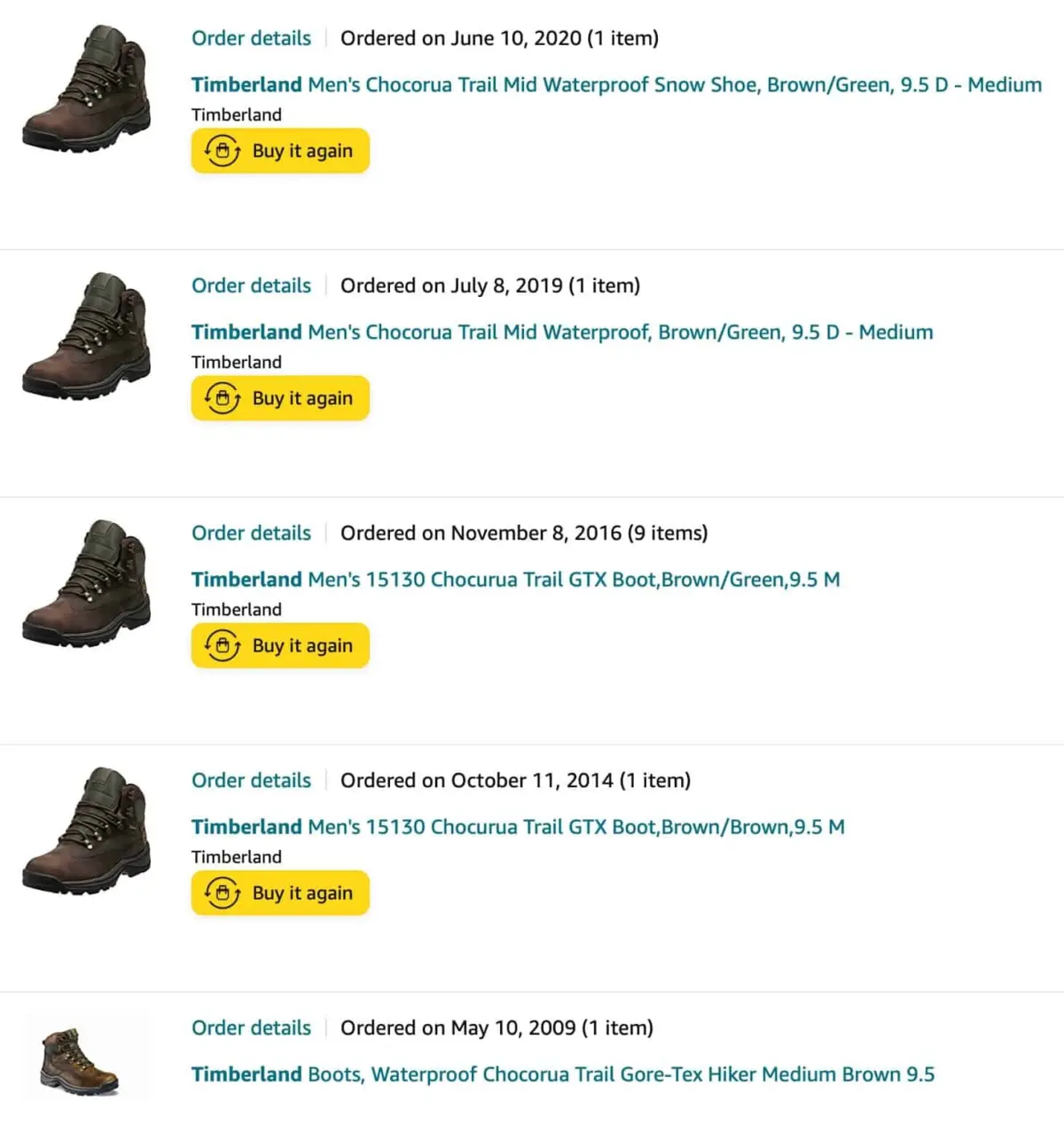
This pattern is evident in routine gear replacements, such as hiking boots. For over a decade and a half, maintaining a rotation of specialized footwear—such as Timberland Chocorua boots used for both work and casual wear—demonstrates how finding the right product eliminates future search efforts. When a pair finally wears out after years of heavy use, the replacement process involves simply reordering the exact same item rather than re-evaluating the market.
The same principle applies across a wide array of daily tools, from travel backpacks and specialized gear to home furnishings. Upgrading a decade-old, inefficient workspace last year involved taking the time to conceptualize a "dream desk" specifications list before spending weeks scouring local and online furniture suppliers for an exact match. While older tools like secondary monitors and desktop accessories acquired through legacy methods remain in place for now, their eventual replacements will undoubtedly undergo the same rigorous, requirement-first filtration.
Ultimately, self-centered shopping reframes the relationship between the consumer and the marketplace. By shifting the starting point of commerce from store shelves to personal clarity, buyers are finding that what they are looking for is almost always out there—waiting for someone patient enough to define it first.