




The United States dollar is currently retreating for the fourth day running, charting a distinct downward trajectory even as Brent crude oil attempts to hold onto the critical $110-per-barrel threshold. The last time international benchmark Brent was observed trading consistently at these elevated levels was back in May, a period marked by significant disruptions to global energy supplies through the vital Strait of Hormuz. Those severe disruptions had prompted the fragile and ultimately short-lived conclusion of a peace agreement between Washington and Tehran. Today, the macroeconomic and geopolitical landscape looks similarly strained. According to recent estimates compiled by the US Department of Energy, current export volumes originating from the Middle East stand at roughly 80 percent of pre-war levels. Nevertheless, despite the partial recovery in export flows, a substantial and stubborn geopolitical risk premium continues to prevent oil prices from experiencing a more pronounced downward correction.

Market intelligence and tracking data from Kpler highlight the underlying physical vulnerabilities underpinning the current market dynamic. According to Kpler’s shipping analytics, a concerning 18 commercial and energy-carrying ships have been targeted or attacked within the Strait of Hormuz over the past two weeks alone. This alarming escalation, when coupled with the Houthis’ ongoing and persistent drone and missile attacks directed at infrastructure in Saudi Arabia, is keeping geopolitical tensions exceptionally high across the Middle East. With its strategic back firmly against the wall amid heavy international sanctions and diplomatic isolation, Iran finds itself with little diplomatic or economic room to maneuver, compelling it to assert its direct and indirect control over the world’s most crucial oil transportation artery.
Despite these acute supply-side choke points, downward pressure on Brent prices is actively being held back by two converging market forces: a notable increase in maritime tanker traffic bound for China and a significant depletion of global commercial and strategic crude stocks. At the very onset of the contemporary conflict in the Middle East, these massive global inventories served as an essential psychological and physical buffer, effectively holding back the aggressive rallies traditionally seen in North Sea crude. However, that safety net has worn thin. The International Energy Agency has now officially announced the upcoming release of the final 100 million barrels drawn from emergency strategic reserves, which forms the concluding tranche of the massive 400-million-barrel batch initially agreed upon by major economies back in March. Compounding this inventory drain, Beijing’s rapidly growing domestic appetite for imported oil is injecting renewed confidence back into market bulls, ensuring that underlying demand remains robust despite broader macroeconomic headwinds.
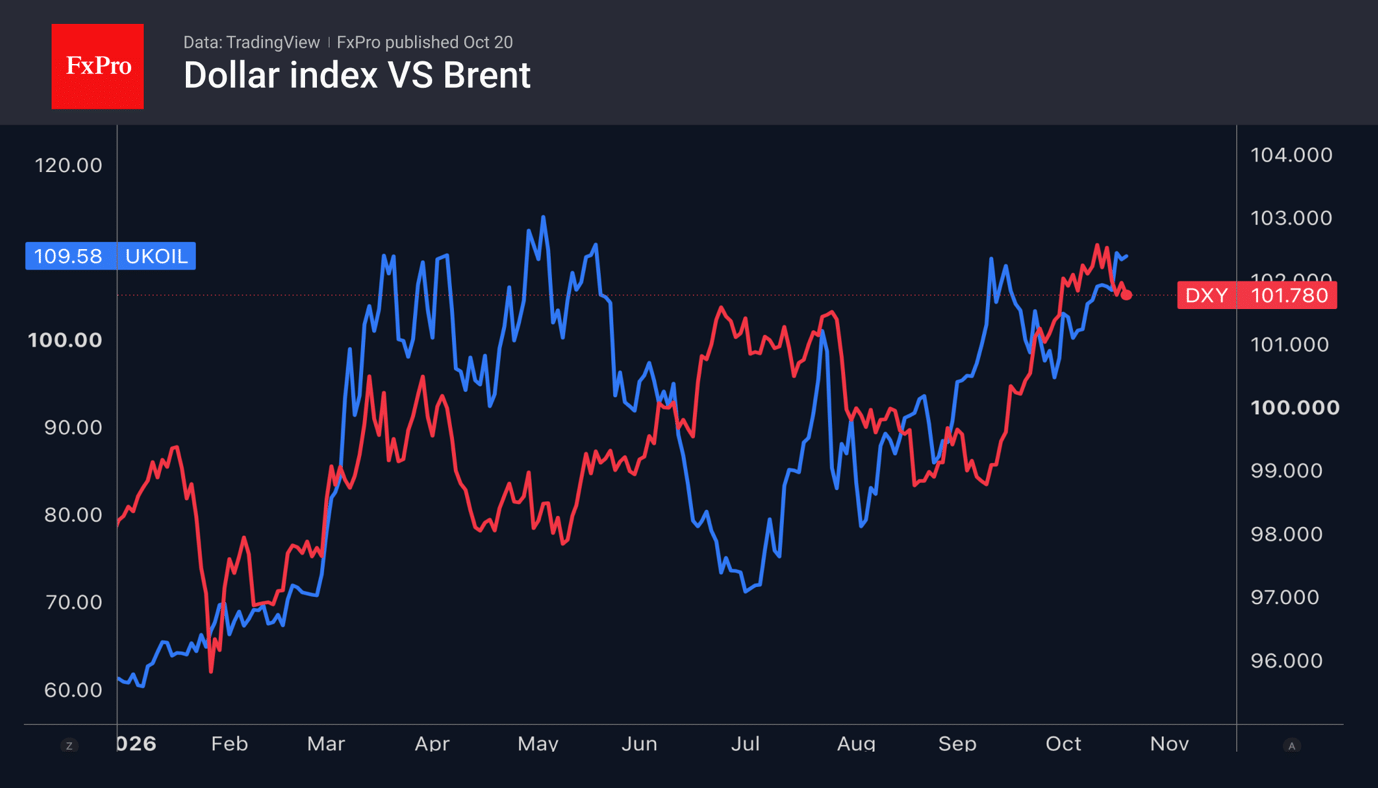
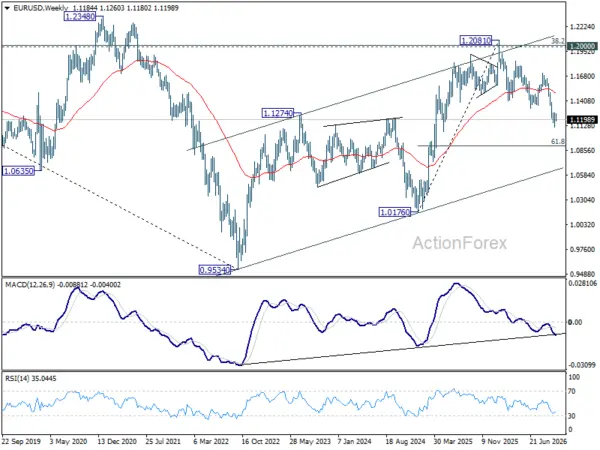
The prevailing divergence between the trajectory of Brent crude and the movement of the US dollar is fundamentally being driven by a profound shift in prevailing market narratives and investor psychology. In the relatively recent past, the American greenback routinely strengthened against the backdrop of a broader energy market rally, functioning simultaneously as the primary currency of a major energy-exporting nation and as a premier global safe-haven asset during times of crisis. At present, however, the US Dollar Index is exhibiting a markedly different behavioral pattern, showing significantly greater sensitivity to domestic developments unfolding within the United States equity market than to overseas geopolitical shocks.
This shifting sensitivity was laid bare when the tech-heavy Nasdaq-100 index recorded its worst weekly performance since April 2025. That sharp equity market sell-off triggered an immediate and aggressive plunge in US Treasury bond yields as institutional investors scrambled toward safe-haven fixed-income assets. In the process, the US dollar effectively lost its primary near-term trump card, particularly as the broader macroeconomic probability of the Federal Reserve tightening monetary policy during its upcoming October meeting has diminished significantly among interest rate traders.
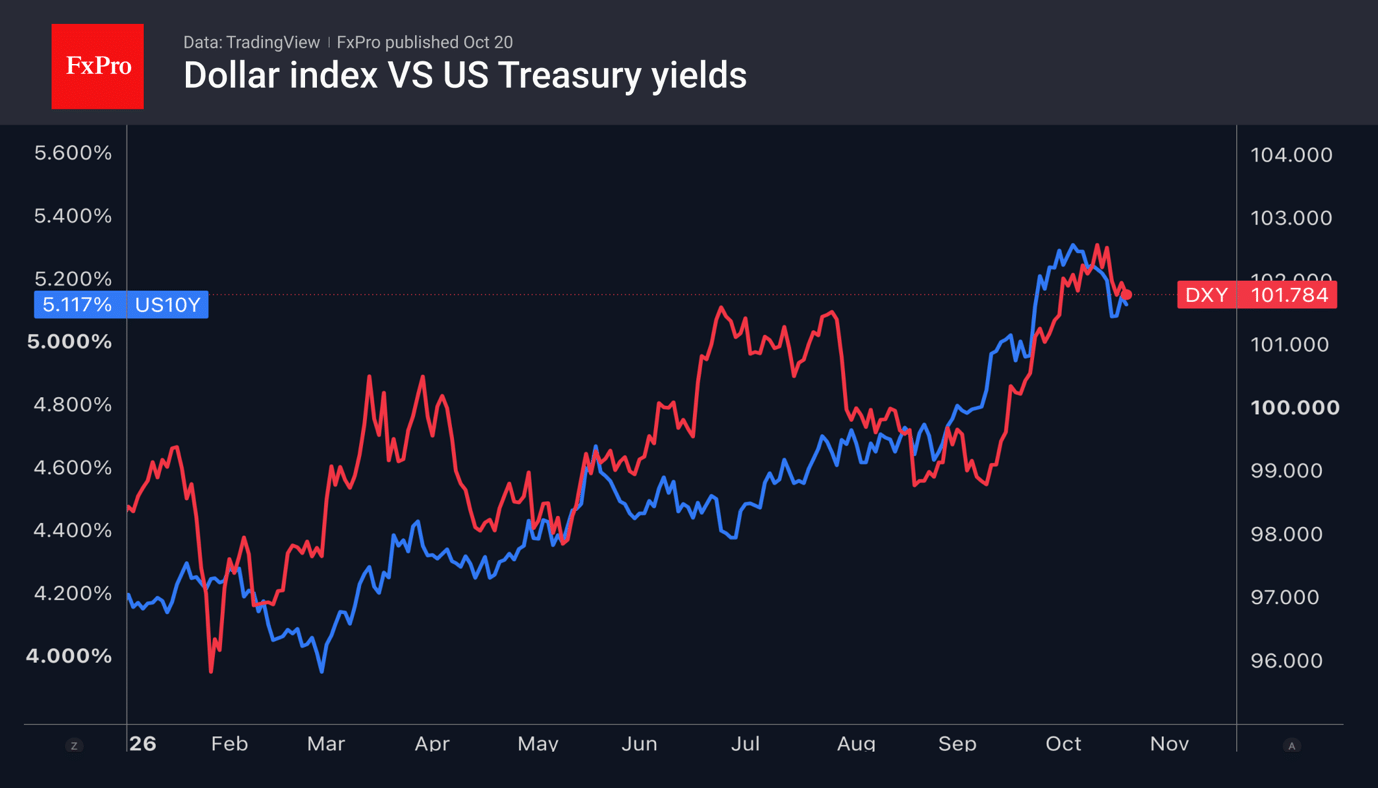
However, once technology shares managed to engineer a modest recovery and stabilize, the broader downward momentum of the USD index noticeably slowed. Consequently, the foreign exchange market has pivoted away from endless speculation surrounding geopolitical headlines coming out of the Middle East, choosing instead to focus its immediate attention on upcoming domestic corporate earnings reports and underlying corporate health metrics. As market participants weigh these competing signals, the interplay between energy valuations, equity market volatility, and Federal Reserve expectations continues to dictate the immediate rhythm of currency trading floors.