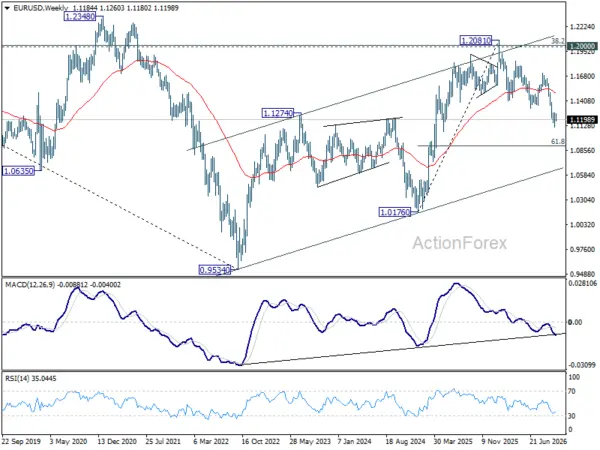




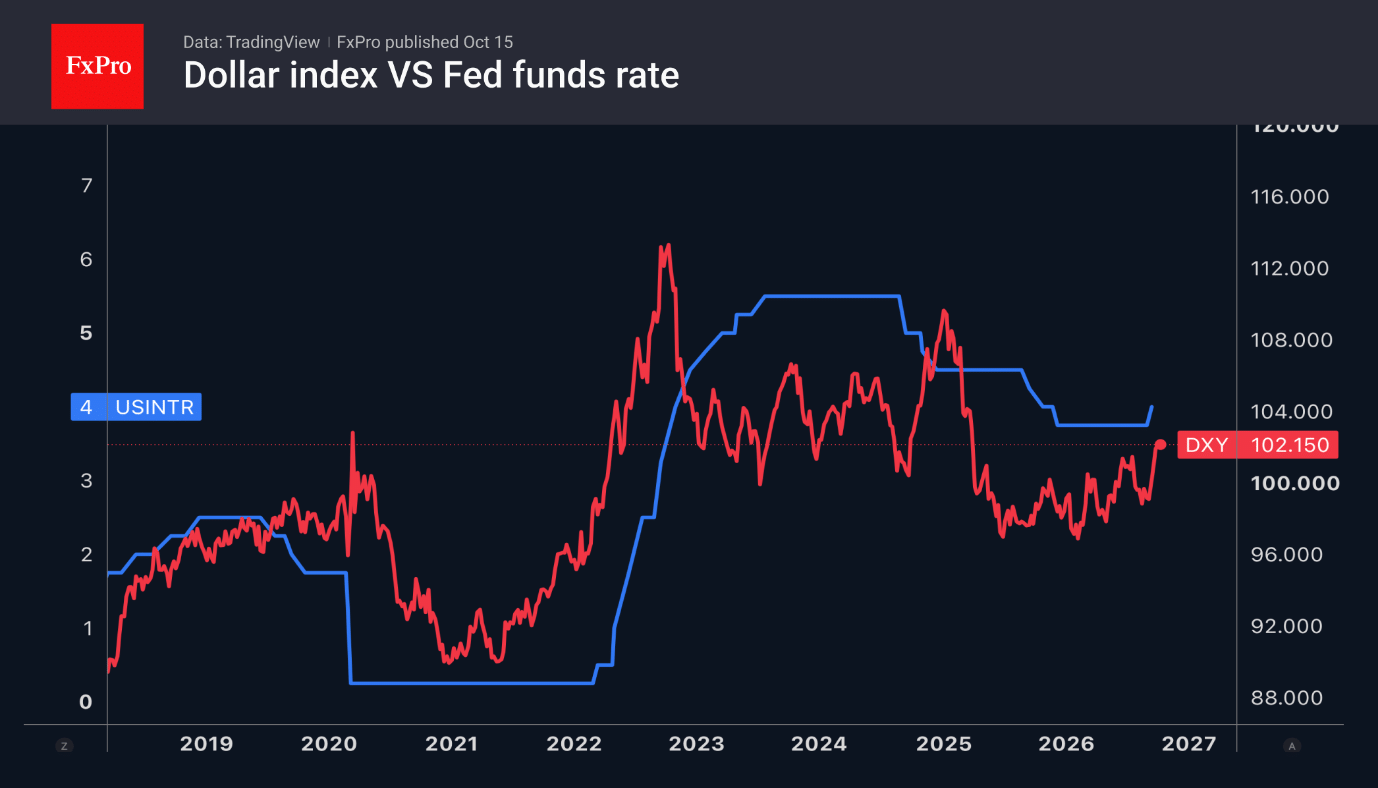
The US dollar experienced a dramatic rollercoaster ride across global financial markets following a sharper-than-expected surge in consumer prices for September. Inflation accelerated to a five-month high of 3.7%, exceeding consensus forecasts and injecting renewed volatility into the foreign exchange market. This hotter-than-anticipated inflation print initially sent shockwaves through interest rate derivatives, instantly doubling the probability of the Federal Reserve tightening monetary policy as early as October to a 50% toss-up. The sudden shift in rate expectations propelled the US Dollar Index to fresh 18-month highs, as traders scrambled to reprice greenback-denominated assets.

However, the aggressive upward momentum was short-lived. The perceived odds of an October rate hike subsequently plummeted back down to 25% as market participants paused to digest the broader macroeconomic outlook. Attention quickly pivoted away from domestic inflation figures toward Bangkok, where market watchers awaited a keynote speech by Federal Reserve Chairman Kevin Warsh. Although the Fed chief is historically guarded and rarely drops explicit policy hints ahead of official announcements, investors hung on his every word, searching for vital clues to clarify the future trajectory of US interest rates and the broader direction of the greenback.
The turbulent market reaction to the September inflation data reflects a profound underlying shift in investor sentiment regarding the path of monetary policy. Rather than fixating on the exact timing of individual rate adjustments, market participants are becoming increasingly concerned with the ultimate peak—specifically, just how far the federal funds rate will ultimately need to rise to subdue lingering price pressures. At the height of the post-inflation volatility, pricing in the futures market indicated that the probability of four consecutive rounds of monetary tightening by the Fed over the ensuing 12 months had surged to an imposing 61%. Yet, this aggressive pricing quickly receded to previous baseline levels, heavily tempered by expectations and interpretations surrounding Kevin Warsh’s scheduled remarks. His steadfast commitment to achieving the central bank’s elusive 2% inflation target remains a double-edged sword for the market; any indication of prolonged hawkishness could trigger a severe wave of selling in US Treasury bonds, driving yields higher and instantly reigniting the greenback’s broader upward advance.
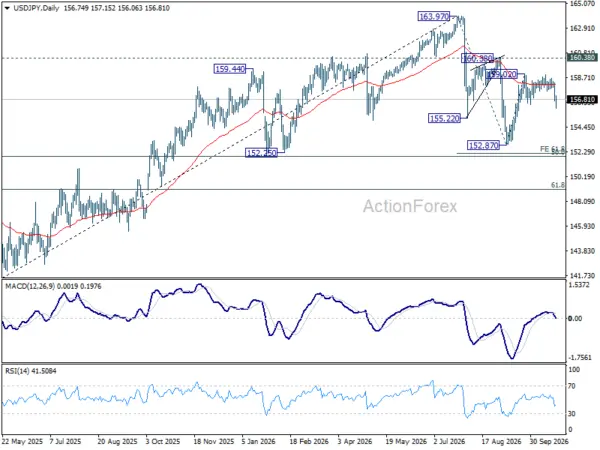
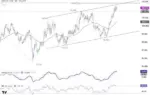
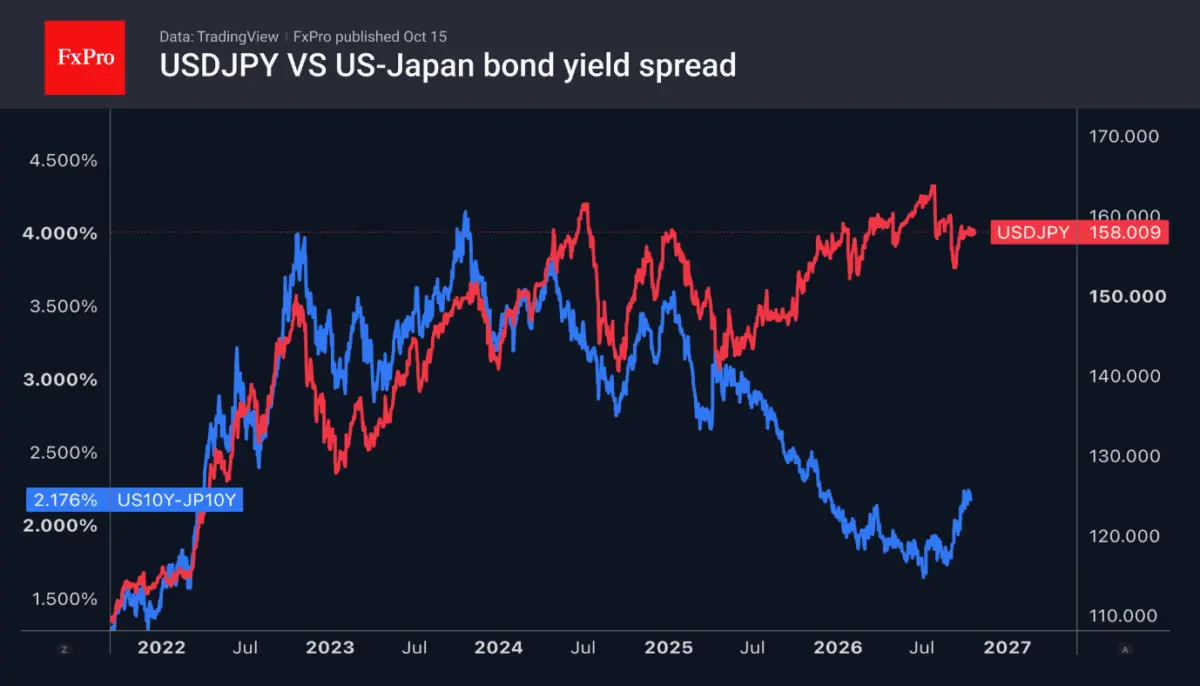
Beyond immediate central bank rhetoric, structural factors are increasingly dictating the long-term outlook for American borrowing costs. According to institutional insights from BlackRock, a potent combination of a record-breaking federal budget deficit and fierce, capital-intensive competition among major technology companies to secure funding is actively laying the groundwork for structurally higher interest rates on debt over the extended horizon. For the foreign exchange market, this fundamental environment spells persistent trouble for USDJPY bears. The stubbornly wide yield spread between benchmark US and Japanese government bonds continues to act as a powerful gravitational pull, steadily pushing the currency pair higher unless and until there is a fundamental shift in the respective monetary tightening paces of the Federal Reserve and the Bank of Japan.
Despite the dominant structural pressures favoring the US dollar, the Japanese yen recently attempted a notable counterattack, finding sporadic support from a dual front of aggressive government verbal interventions and increasingly hawkish rhetoric emanating from Tokyo. Japanese Finance Minister Satsuki Katayama stepped into the public spotlight to issue firm warnings, explicitly stating that her ministry remains fully prepared to intervene directly in the foreign exchange market if speculative pressures or excessive volatility warrant official action. Complementing the Ministry of Finance’s warnings, Bank of Japan board member Junko Koeda added to the hawkish chorus, asserting that the central bank should not exhibit excessive caution when it comes to normalizing and raising interest rates from historic lows.
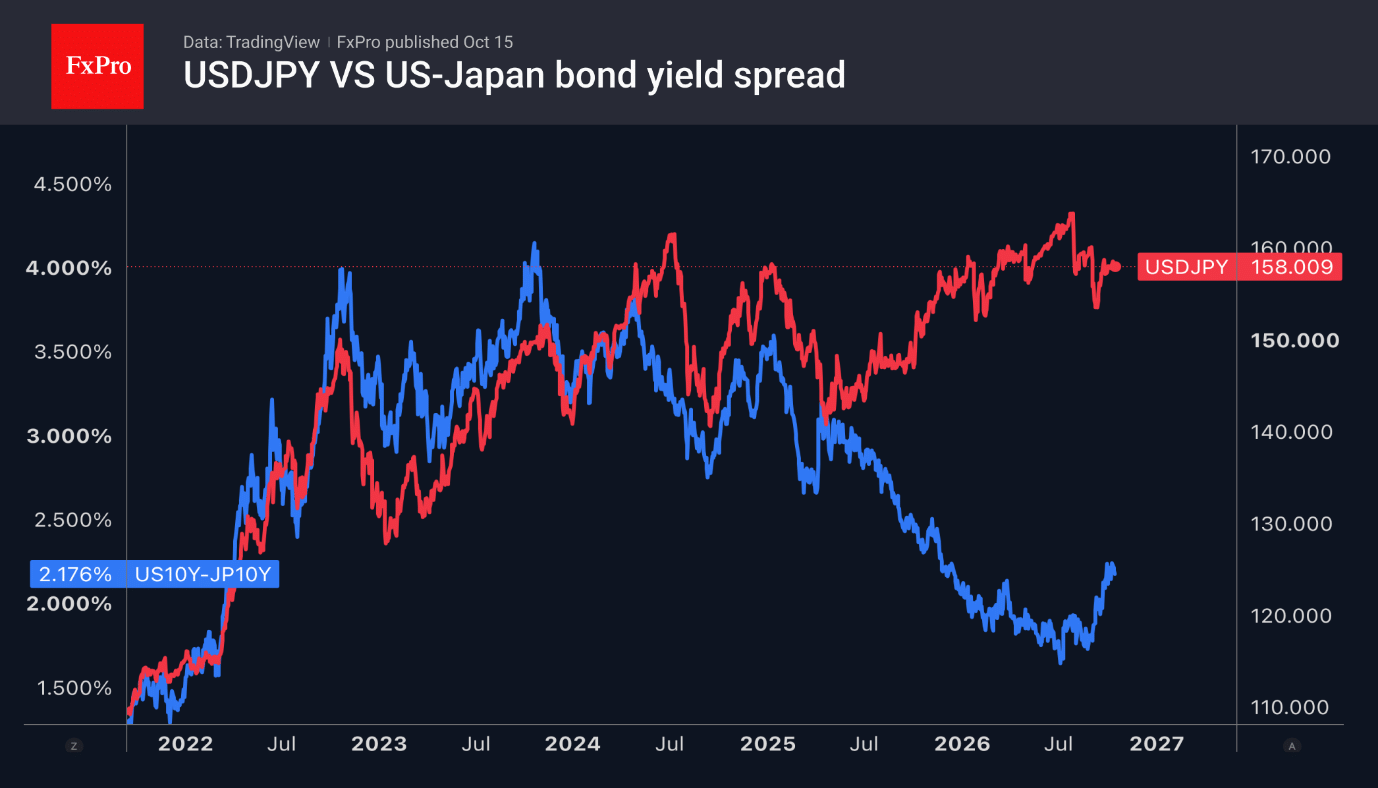
Nevertheless, a realistic appraisal of the derivatives and futures market reveals that participants continue to price in a reality where the Federal Reserve and the Bank of Japan will ultimately proceed with monetary tightening at a largely comparable pace. Given the immense structural gulf that persists in bond yields between the two nations, market strategists emphasize that any downward corrections in the USDJPY exchange rate should be interpreted strictly as temporary pullbacks within a broader, firmly entrenched upward trend.
The FxPro Analyst Team