

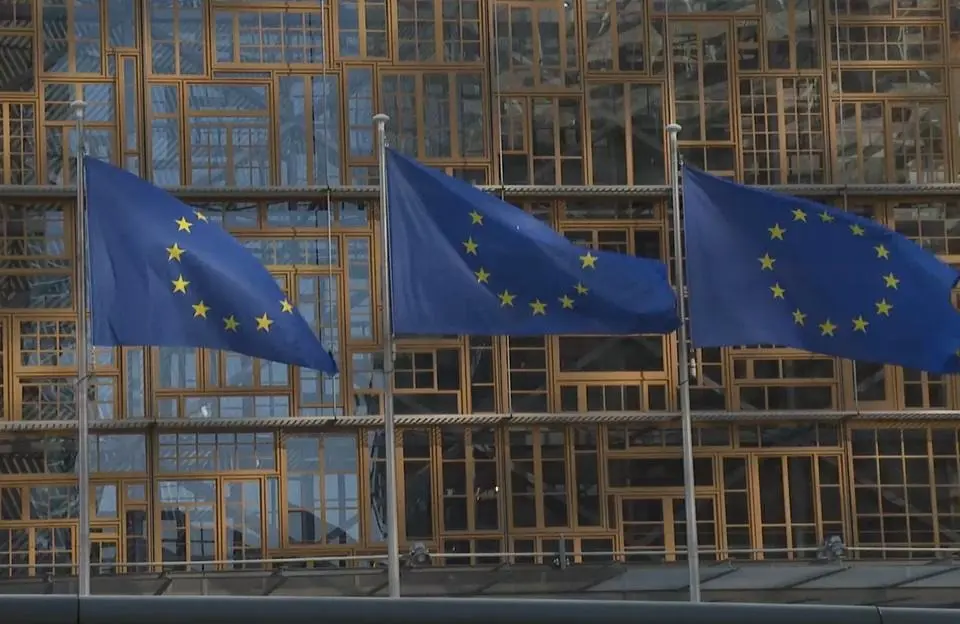
Lawmakers in the European Parliament and EU Member States have announced that they reached a late-night provisional agreement to inject free carbon allowances worth approximately €10 billion into the European Union’s Emissions Trading System (ETS). The newly negotiated measure is designed to support energy-intensive industrial sectors and protect them from what is commonly known as "carbon leakage"—a phenomenon where businesses relocate their manufacturing and emissions-intensive operations to countries with less stringent environmental regulations and climate policies.
The compromise represents a significant escalation
from previous executive proposals, reflecting intense political negotiations over how to balance Europe’s long-term climate ambitions with the immediate economic pressures facing its industrial base. The provisional agreement will now need to be formally endorsed by both the European Parliament and the Council before it can be officially adopted into EU law.
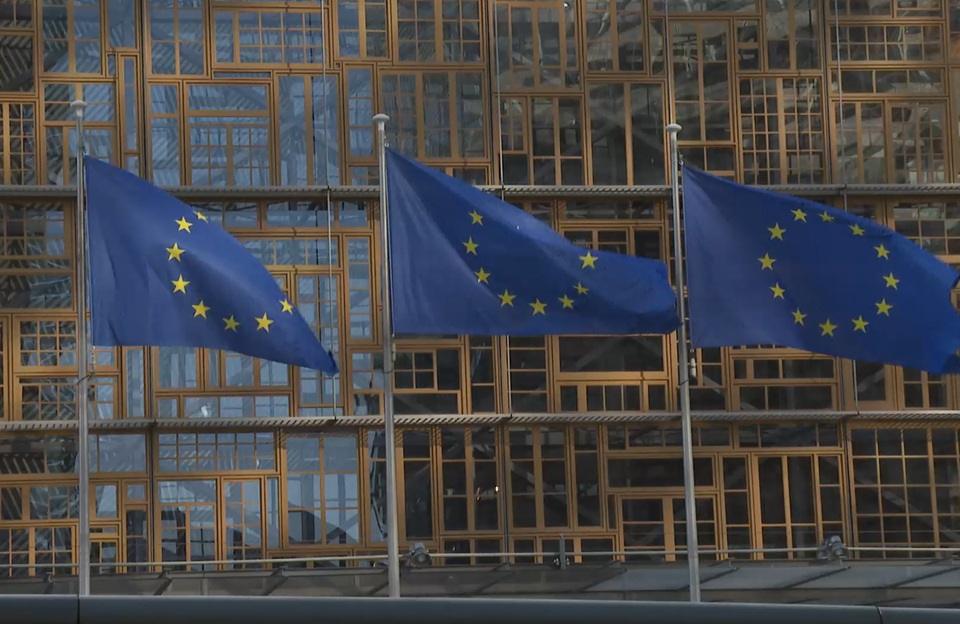
The Emissions Trading System serves as the cornerstone of the European Union’s internal cap-and-trade carbon pricing mechanism. Established two decades ago in 2005, the system establishes a hard limit on the total volume of greenhouse gases that can be emitted by covered installations, forcing key industrial sectors to pay for their pollution. The mechanism applies to a broad cross-section of the economy, including electricity and heat generation, oil refineries, steel manufacturing, cement production, paper processing, chemicals, and commercial aviation, among other heavy industries.
Since its launch, the ETS has proven to be a prolific revenue generator, pulling in more than €270 billion for government coffers. Furthermore, the European Commission has consistently credited the market-based mechanism as a primary driver behind a dramatic 50% reduction in greenhouse gas emissions across the sectors it regulates.
Under the foundational framework of the ETS, industrial corporations are legally obligated to account for their greenhouse gas emissions by surrendering a corresponding number of carbon allowances. To prevent these costs from rendering European companies uncompetitive on the global stage while simultaneously driving them toward cleaner operational practices, the EU distributes a portion of these allowances free of charge. These free allocations are calculated using strict "benchmarks" that reflect the operational performance of the most efficient facilities within each respective sector. Under this dynamic, companies that successfully emit fewer greenhouse gases than their assigned allocation can sell their excess allowances on the market, whereas firms that exceed their limits must purchase additional permits, thereby establishing a powerful financial incentive to curb emissions.
However, the delicate equilibrium between industrial competitiveness and climate policy has been severely tested in recent years. Europe has grappled with prolonged periods of soaring energy prices, exacerbated heavily by profound geopolitical upheavals, including the wars in Ukraine and the Middle East. These energy shocks placed unprecedented financial burdens on manufacturers operating within the bloc, prompting several member states to formally petition the European Commission to review the ETS architecture to alleviate the mounting cost pressures on domestic industries.

Responding to these pressures, the Commission proposed a comprehensive review of the ETS designed to soften the blow for manufacturers. The proposals included slowing the pace of the emissions reduction trajectory mandated under the carbon pricing scheme, extending the timeline for allowance allocations by several years, and channeling significantly more capital generated by the ETS back into industrial decarbonization projects.
Among the central measures put forward by the Commission was a plan to inject 88 million new free allowances into the market between 2026 and 2030, specifically targeting industrial sectors falling under the heat and fuel benchmarks of the ETS. Heat and fuel benchmarks allocate carbon allowances based on direct energy consumption, serving as the baseline for determining free allocations for industrial products and intricate manufacturing processes that cannot easily be captured by a specific product benchmark. These benchmarks account for roughly 25% of all free allocations within the system, playing a critical shield role for vital sectors such as chemicals, pulp and paper, food and beverage processing, ceramics, and glass manufacturing.
The newly struck provisional agreement between the European Parliament and the EU Council, however, goes well beyond the Commission’s initial parameters. Negotiators agreed to increase the volume of free carbon allowances by 121 million units spanning the 2026 to 2030 timeframe. This expanded pool includes a dedicated reserve of 5 million allowances specifically set aside for particularly energy-intensive sectors that face an exceptionally high exposure to carbon leakage.
The agreement drew immediate praise from top European officials tasked with overseeing the bloc’s green transition. In a public statement shared shortly after the late-night breakthrough, Wopke Hoekstra, EU Commissioner for Climate, Net Zero and Clean Growth, hailed the compromise as a balanced path forward.

"This is great news for climate, competitiveness and independence," Hoekstra said. "And it ensures the EU carbon market remains robust, our industry can compete, and our clean transition is fair, predictable and firmly on track."
With the provisional deal now finalized between the negotiating teams of the European Parliament and the Council, the text will undergo final technical legal reviews before returning to both institutions for formal endorsement and final adoption.