



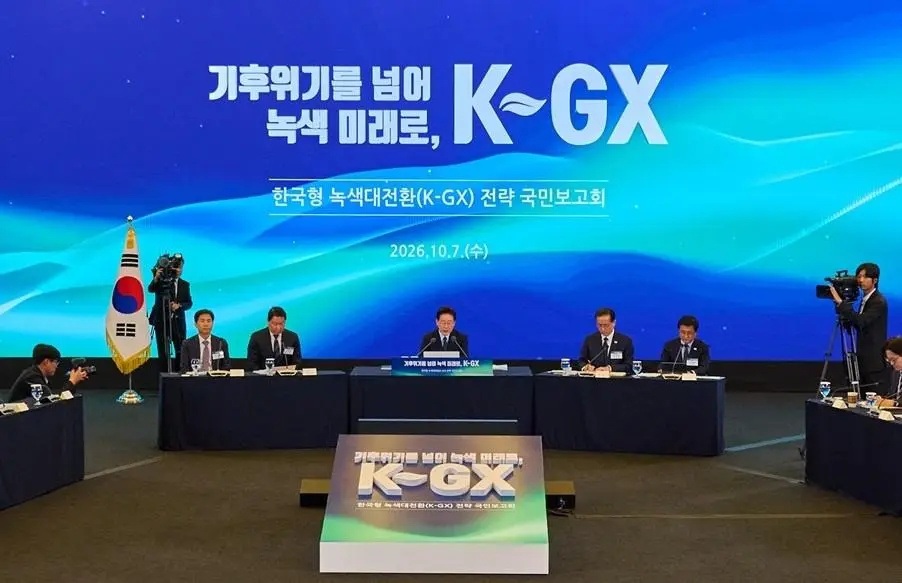
The Government of South Korea has officially announced the launch of its ambitious new Korean Green Transformation (K-GX) Strategy, marking a monumental shift in the nation’s economic and environmental policy. The comprehensive initiative includes plans to mobilize a staggering 1,000 trillion won, equivalent to approximately USD$747 billion, over the next ten years. This massive influx of capital is dedicated to the achievement of South Korea’s long-term climate goals, with a precise focus on critical areas such as industrial decarbonization, renewable energy expansion, and clean mobility.
According to the government, the primary objective of this sweeping new plan is to systematically decouple national economic growth from carbon emissions. By breaking the traditional link between industrial output and greenhouse gas output, South Korea aims to comfortably meet its mid-to-long-term climate commitments under international agreements while actively protecting and enhancing its global industrial competitiveness in an increasingly carbon-conscious world market.
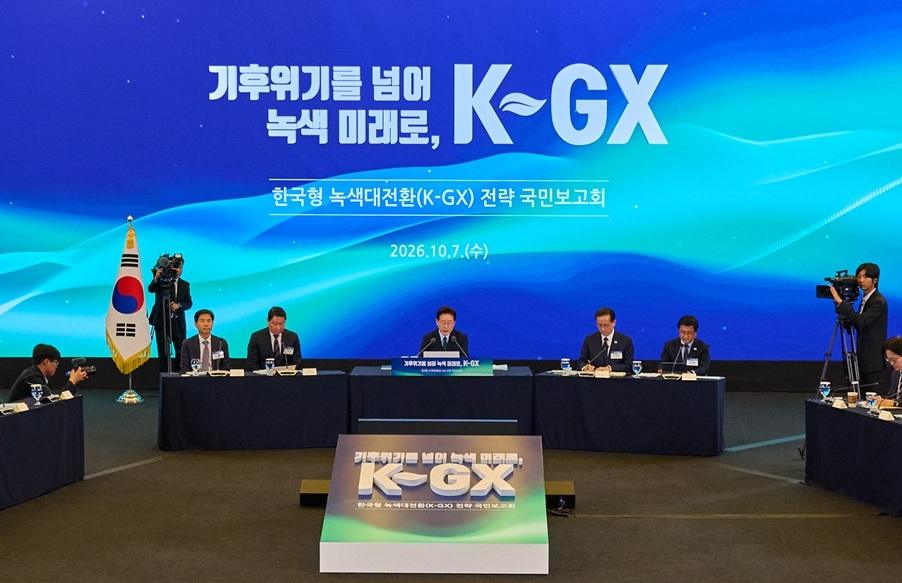
Finance Minister Lee Hyoung-il emphasized the transformative nature of the announcement, noting that the initiative goes far beyond standard environmental regulation. Explaining the broader economic implications, Finance Minister Lee Hyoung-il stated that the K-GX Strategy is not just an environmental policy, but rather an absolute structural rebirth of Korea’s industrial landscape. He added that by combining aggressive fiscal backing with targeted regulatory relief, the government is providing its core manufacturing sectors with the essential predictability and long-term capital they need to successfully lead the emerging global green economy.
To meet its monumental capital mobilization target of 1,000 trillion won, the new strategy envisions a highly sophisticated, multi-tiered financing framework designed to draw resources from both the public and private sectors. This financial architecture is carefully divided into three distinct pillars to ensure that every segment of the economy contributes to and benefits from the green transition.
The first pillar involves a direct allocation of 200 trillion won sourced straight from state budgets. These government funds will be deployed directly to finance critical green infrastructure, drive advanced research and development (R&D), and support public-sector transition initiatives that lay the groundwork for broader industrial changes.

The second and largest pillar comprises 570 trillion won of state-backed climate finance. This substantial pool of capital will be channeled through instruments such as low-income loans, specialized green bonds, and robust credit guarantees designed to de-risk sustainable investments for participating institutions.
The third pillar anticipates the mobilization of 230 trillion won through private-sector projects. This private capital will be unlocked and encouraged through a combination of smart regulatory incentives and comprehensive public-private partnership (PPP) frameworks, ensuring that private enterprise remains a primary driver of the nation’s green evolution.
At the heart of the K-GX Strategy are several key focus areas tailored specifically to South Korea’s heavy industrial footprint. Foremost among these is the deep decarbonization of high-emitting sectors that have historically served as the backbone of the country’s export-driven economy. Priority within this category is being given to carbon-intensive industries, including steel manufacturing, petrochemicals and refining, cement production, and the advanced electronics domains of semiconductors and displays. By targeting these specific sectors, the government hopes to eliminate major emissions bottlenecks without sacrificing manufacturing output.

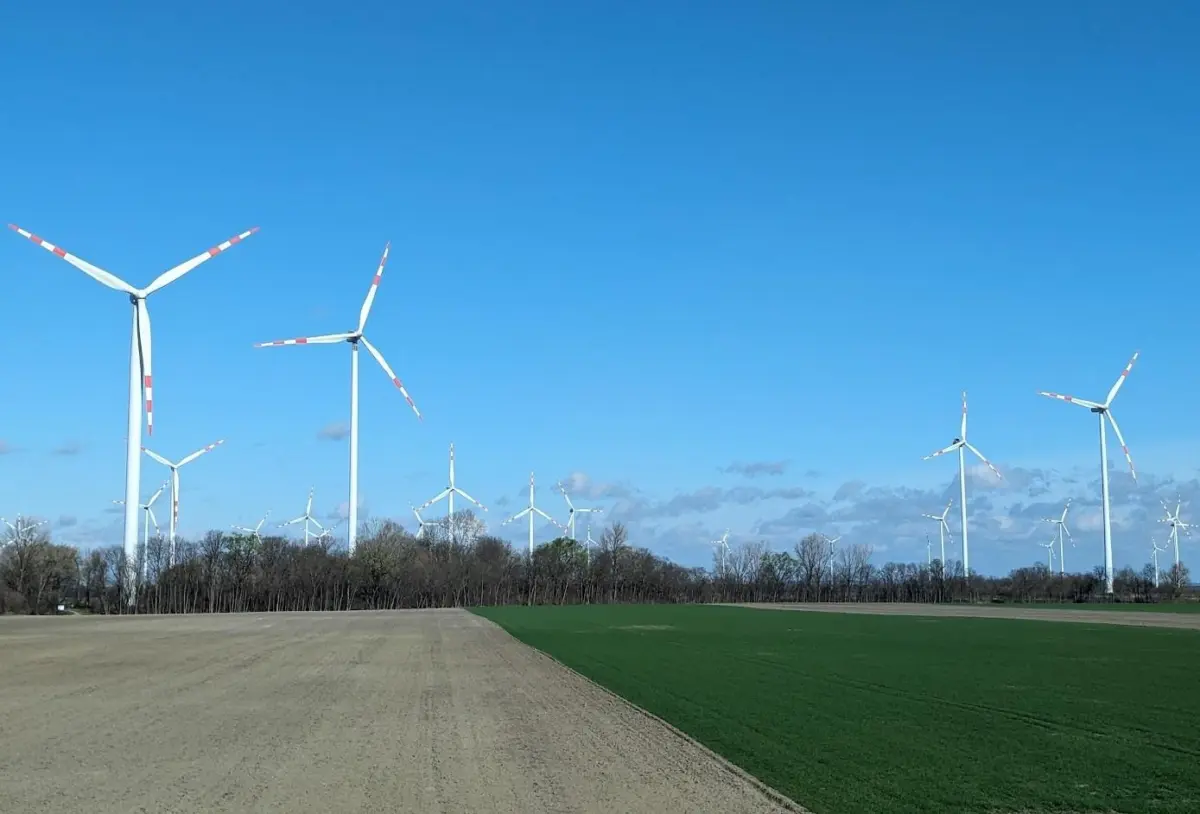
In addition to industrial transformation, the strategy places immense emphasis on the rapid expansion of renewable energy. The government has set a firm goal to scale domestic renewable energy infrastructure to 100 gigawatts. This expansion will place a heavy emphasis on the development of offshore wind power and utility-scale solar installations, which will be supported by necessary investments in national grid modernization to ensure stable energy distribution across the country.
The third major pillar of the strategy focuses heavily on clean mobility, addressing the transportation sector’s contribution to national emissions. Under the new targets, zero-emission vehicles are projected to account for more than 70% of all new vehicle sales by the year 2035. To achieve this ambitious threshold, the government has laid out clear plans to systematically phase out tax subsidies for traditional internal combustion engine vehicles while simultaneously building out a dense, national network of ultra-fast charging stations to support mass consumer adoption.
In an official statement announcing the launch of the comprehensive new strategy, South Korea’s Ministry of Climate, Energy and Environment underscored the long-term societal and economic benefits of the initiative. The ministry stated that this robust framework guarantees that South Korea will firmly adhere to its global carbon neutrality milestones. Furthermore, the statement highlighted that the strategy will actively build domestic green jobs and secure the next generation of energy self-reliance for the nation, positioning South Korea as a resilient leader in the worldwide transition toward sustainable industrial practices.